DIY vs Professional Chimney Inspection Level 3 DFW: Which Makes Sense?
A Level 3 chimney inspection in DFW is not a ladder-and-flashlight job. It requires demolition of chimney components, specialized camera equipment, and written documentation that meets insurance and code standards. Here is what separates a professional Level 3 from anything a homeowner can replicate.
Level 3 Inspections Require Demolition Access. That Changes Everything.
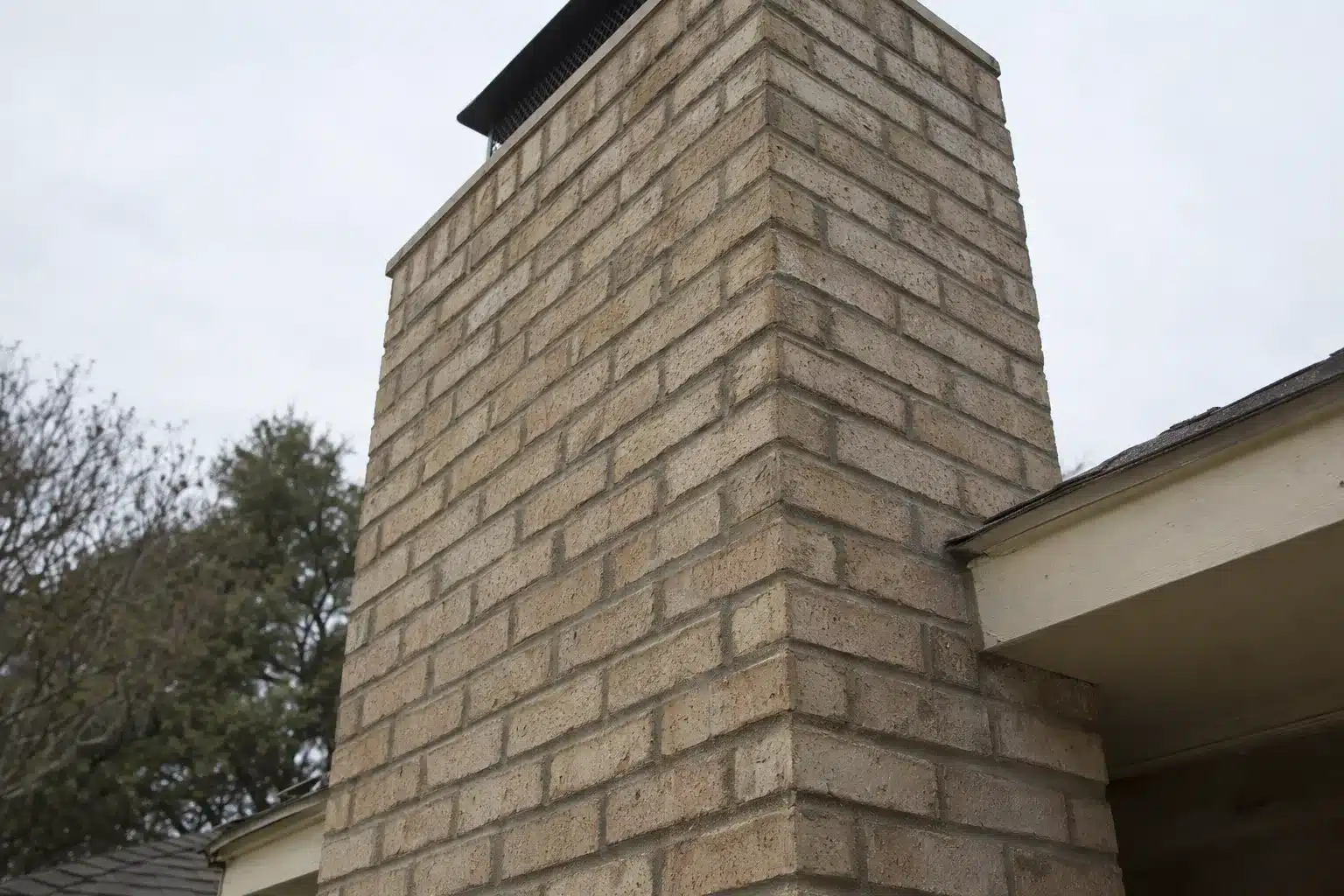
A Level 3 chimney inspection is triggered by a specific event - a chimney fire, a severe weather incident, a structure fire, or findings from a Level 2 inspection that suggest hidden damage. It is not a routine annual service. It requires removing parts of the chimney structure to access areas that cannot be seen any other way.
Founded in 1991, The Chimney Inspection & Sweep runs 12 active crews across the Dallas-Fort Worth Metroplex. Every Level 3 inspection we perform produces a written report documenting what was found at each access point, with camera imagery, condition ratings, and a clear record of what was disturbed and restored. That documentation matters for insurance adjusters, code compliance, and real estate transactions.
Our inspection process uses HEPA containment systems during any sweeping or debris removal associated with the inspection. When access panels are opened, containment keeps soot and particulates out of the living space. After the inspection, we document restoration of any structural elements that were removed for access.
DFW's clay-heavy soil creates foundation movement that can stress chimney structure in ways that only become visible during a Level 3 inspection. We account for that in how we interpret what we find in the flue, the liner, and the masonry surrounding the firebox.
Why DIY Is Not a Realistic Option for a Level 3 Inspection
The NFPA 211 standard defines a Level 3 inspection as requiring removal of components of the chimney or building structure. That is a precise definition with real implications for what a homeowner can and cannot do safely or legally.
DIY
What you can actually do
Visual Surface Check Only
A homeowner with a flashlight and a mirror can see the firebox opening and the base of the flue. That covers roughly the first two feet of a system that may extend 20 feet or more. Surface cracks in the firebox refractory panels may be visible. Anything beyond that is outside DIY reach.
- Firebox opening and damper
- Visible exterior crown and cap
- No camera, no access panels, no documentation
Level 3
Professional inspection
Full Structural Access Inspection
A professional Level 3 inspection involves removing access panels, portions of chimney chase enclosures, or sections of surrounding building structure to reach the flue liner, the liner-to-firebox connection, and the areas behind finished surfaces. Camera documentation of the flue interior is standard at this level.
- Flue liner camera scan top to bottom
- Structural access with panel removal
- Written report with findings and restorations
Level 2
Mid-tier baseline
Camera Without Demolition
A Level 2 inspection adds a video camera scan of the flue to the visual inspection, without structural access. It is the standard for any real estate transaction or change in fuel type. When Level 2 camera footage shows liner damage that cannot be fully assessed without access, a Level 3 becomes necessary. See our Level 2 inspection detail for how that escalation works.
- Camera scan of full flue interior
- No structural demolition required
- Written report with camera imagery
What Triggers a Level 3 in DFW
- 01Chimney fire.
Any confirmed chimney fire warrants a Level 3. The heat from a flue fire can crack terra cotta liner sections and compromise mortar joints in ways a camera alone may not fully show without structural access.
- 02Level 2 findings that suggest hidden damage.
If a camera scan shows liner displacement, gaps, or unusual shadowing that cannot be explained from accessible points, Level 3 access resolves the question before any repair is authorized.
- 03Insurance or code investigation.
After a structure fire or major weather event, insurers and code officials may require Level 3 documentation before repair or rebuild authorization. The written report from a professional inspection satisfies that requirement. A DIY check does not.
- 04Change to the connected appliance.
Installing a higher-output gas appliance or converting from wood to gas on an older system sometimes requires Level 3 access to confirm the liner can handle the new BTU load and vent requirements.
What DIY Cannot Produce That Level 3 Must
Documentation is the core output of a Level 3 inspection. Insurance adjusters, municipalities, and real estate attorneys need a written report from a qualified technician. A homeowner's notes and smartphone photos carry no weight in those contexts.
- Liner condition rating at each section: requires camera footage with timestamps and location markers, not a handheld look from the top.
- Access point documentation: what was removed, what was found, and what was restored must be listed in writing.
- Structural findings notation: cracks in the smoke chamber, displaced liner joints, or compromised corbeling require professional identification and terminology.
- Code-referenced findings: NFPA 211 citations in a written report give the document standing with inspectors and adjusters.
For a full breakdown of all three inspection levels, see our Level 1 vs Level 2 vs Level 3 guide.
How a Professional Level 3 Chimney Inspection Works, Step by Step
01
Pre-Inspection Review
Technician reviews any prior Level 1 or Level 2 reports, identifies the triggering event, and determines which access points are needed before any demolition begins.
02
Controlled Access
Access panels or structural components are removed with HEPA containment in place. Each removal is documented by location before the opening is examined.
03
Camera and Probe Examination
Flue camera scan conducted from the firebox connection to the top of the flue. Liner joints, seams, and surrounding masonry are examined at each accessible point.
04
Written Report and Restoration
Full written report issued with camera imagery, condition findings, and NFPA 211 references. Removed structural components are restored. Report is suitable for insurance and code review.
What Often Follows a Level 3 Inspection
A Level 3 inspection frequently identifies issues that require follow-up work in the same visit or shortly after:
- Level 2 inspection review - the camera findings that triggered the Level 3 are incorporated into the final report.
- Level 1 inspection baseline - understanding what was visible before access informs the structural findings.
- Comprehensive inspection services - full-system documentation covering all accessible and structurally accessed components.
- Flashing service - often deteriorating in systems that have experienced chimney fires or extended moisture intrusion.
- Fireplace mortar repair - firebox refractory joints and smoke chamber parging frequently need attention after the access phase reveals their condition.
DFW Conditions and Level 3 Findings
The DFW Metroplex has specific conditions that make Level 3 inspections more common than homeowners expect. Chimney fires from creosote accumulation in wood-burning systems, combined with temperature swings between summers above 100 degrees F and brief hard freezes, create liner stress that a surface inspection will not catch.
Clay-heavy soil movement in the Metroplex also produces foundation shifts that stress the connection points between the firebox and the lower flue liner sections. Those connection points are only accessible through Level 3 structural access. We find liner displacement at those joints more often in DFW than in areas with more stable soil.
The NFPA 211 standard specifies that a Level 3 inspection is required when the inspector believes hidden hazards exist and cannot be confirmed by Level 1 or Level 2 methods. The Chimney Safety Institute of America further notes that any confirmed chimney fire automatically warrants Level 3 evaluation, regardless of visible exterior condition.
Before You Call a Contractor
A few specifics that help you understand what a legitimate chimney inspection Level 3 DFW service involves, and what to ask before scheduling.
Start with a Level 2 if you are not certain a Level 3 is needed. A Level 2 camera inspection will either confirm the system is sound or identify findings that justify Level 3 access. Our Dallas chimney inspection service produces a written report at every level, so the findings are documented before any structural work is authorized.
Ask what access points will be opened
A legitimate Level 3 inspection identifies specific access points before demolition begins. The technician should be able to explain which panels or structural components will be removed, why those locations are needed to answer the diagnostic question, and how they will be restored after the inspection.
Confirm a written report is included
The written report is the primary deliverable of a Level 3 inspection. It should include camera imagery with section-by-section condition notes, NFPA 211 references, a list of what was accessed, and documentation of restoration. If a contractor cannot describe what the report will contain, that is a problem.
Understand the triggering event matters
Level 3 inspections are event-driven, not routine. A confirmed chimney fire, a structure fire, or Level 2 camera findings that suggest hidden damage are the legitimate triggers. If a contractor recommends a Level 3 on a chimney with no triggering event and no Level 2 on file, ask them to explain exactly what they expect to find and why lower-access methods cannot answer that question.
Plan for repair authorization after the report
A Level 3 inspection tells you what is wrong; repair is a separate authorization. The written report gives you the information to make an informed repair decision, get competing repair quotes if needed, and satisfy any insurance or code requirements. Do not authorize repairs until you have the inspection report in hand.
Service Areas
Our 12 crews serve the full Dallas-Fort Worth Metroplex, including:
Find services near you →Also Inspect At the Same Visit
Urgent Issues We Also Handle
Chimney Inspection Level 3 DFW: Common Questions
01Can a homeowner perform a Level 3 chimney inspection themselves?
No. A Level 3 chimney inspection by definition requires removal of chimney or building structural components to access areas that cannot be examined any other way. A homeowner has no practical way to perform the camera documentation, structural access, or written reporting that a Level 3 produces. The output also needs to meet insurance adjuster and code official standards, which a self-performed inspection cannot satisfy.
02What does a Level 3 chimney inspection cost in DFW?
Level 3 inspections vary significantly based on how many access points are needed and what structural components must be removed and restored. They cost more than Level 1 or Level 2 inspections because of the additional labor, equipment, and documentation involved. Get a written scope from the technician before authorizing the work, not a flat quote based on a phone call.
03What triggers a Level 3 chimney inspection?
The three most common triggers are:
- A confirmed chimney fire in a wood-burning system
- Level 2 camera findings that suggest liner damage not fully visible from accessible points
- An insurance or code investigation following a structure fire or severe weather event
A routine inspection without a triggering event does not warrant Level 3 access. If a contractor recommends one without being able to cite a specific diagnostic reason, ask for the Level 2 camera findings first.
04How long does a Level 3 chimney inspection take?
Most Level 3 inspections in DFW take 3-5 hours depending on how many access points are opened and how complex the restoration is. Systems with multiple flues, prefabricated chase enclosures, or significant liner damage found during the inspection can run longer. The written report is typically delivered within 24-48 hours of the field work.
05What is the difference between a Level 2 and Level 3 chimney inspection?
A Level 2 inspection adds a video camera scan of the full flue interior to the visual examination, without removing any structural components. A Level 3 goes further by physically opening the chimney system to access areas the camera cannot fully evaluate. Level 2 is the standard for real estate transactions and change-of-fuel work. Level 3 is reserved for post-fire assessment and cases where hidden damage is suspected based on Level 2 findings. See our full breakdown at Level 1 vs Level 2 vs Level 3 chimney inspection.
06Does a Level 3 inspection damage the chimney?
Controlled structural access is part of the process, not damage. Panels, chase enclosures, or masonry sections that are removed are documented and restored as part of the inspection protocol. The written report includes a record of what was accessed and what was restored. If a finding during the inspection reveals that a component cannot be safely restored as-is, that is noted in the report and repair is handled separately.
07Does my insurance require a Level 3 inspection after a chimney fire?
Many homeowner policies covering chimney fire damage require a Level 3 inspection before authorizing repair or replacement of liner components. The NFPA 211 standard is commonly cited in those requirements. The written report from our inspection, including camera imagery and NFPA 211 references, is what adjusters need to process those claims. Verify your specific policy requirements with your carrier before scheduling.
- Level 1 vs Level 2 vs Level 3 Chimney Inspection: Which One Do You Actually Need?
- Level 2 Chimney Inspection Requirements Explained
- Level 1 Chimney Inspection
- Level 3 Chimney Inspection
- Level 2 Chimney Inspection
- Comprehensive Chimney Inspection Services for a Safer Home
- Chimney Sweep North Texas in Carrollton
- Refractory Fireplace Panel Replacement Dallas
- Level 1 vs. Level 2 vs. Level 3 Chimney Inspection
Schedule Your Level 3 Chimney Inspection in DFW
If you have had a chimney fire, a structure fire, or received a Level 2 report with unresolved findings, the Level 3 inspection is how you get a definitive answer. Waiting extends exposure to a system that may have hidden structural damage.
Our crews have been performing chimney inspection Level 3 DFW work since 1991. We conduct the structural access, complete the camera documentation, and deliver a written report that meets insurance adjuster and code official requirements. The report tells you exactly what was found, what was accessed, and what was restored.
The Chimney Inspection & Sweep · Dallas-Fort Worth Metroplex · In business since 1991 · Inspection & Cleaning Services · Cleaning Services · What Is a Chimney Sweep? · © 2026
Schedule Your Level 3 Chimney Inspection in DFW Today
If you have had a chimney fire, a structure fire, or received a Level 2 report with unresolved findings, the Level 3 inspection is how you get a definitive answer. Waiting extends exposure to a system that may have hidden structural damage.
Our crews have been performing chimney inspection Level 3 DFW work since 1991. We conduct the structural access, complete the camera documentation, and deliver a written report that meets insurance adjuster and code official requirements.
1991
Year Founded
33
Years Serving DFW
12
Active Field Crews
✓
Written Reports Every Job
The Chimney Inspection & Sweep · Dallas-Fort Worth Metroplex · In business since 1991 · Inspection & Cleaning Services · Cleaning Services · What Is a Chimney Sweep? © 2026