
Get Your Gas Fireplace Working Again the Same Day You Call in Dallas
Component-level diagnosis before any repair is quoted – no default parts replacement.
Gas Fireplace Repair in Dallas: Typical price $249 – $739

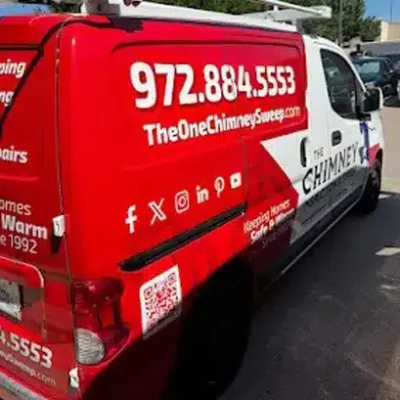
Your Gas Fireplace Is Telling You Exactly What Failed
Gas fireplace repair means identifying the specific component that stopped working – then fixing that part.
Four symptoms. Four different failed components. Each one requires a different repair.
Pilot won’t stay lit after you release the button. That’s a thermocouple failure. The thermocouple is a heat-sensing safety device sitting at the pilot flame. When it’s working, it generates a small electrical current that holds the gas valve open. When it degrades, the current drops. The valve closes. The pilot goes out the moment you let go.
Remote or wall switch does nothing – even with the pilot lit. That points to the thermopile. The thermopile is a larger heat-sensing component that generates enough voltage to power the gas valve and the remote receiver. Pilot stays lit. Nothing else responds. The thermopile isn’t producing what the system needs.
No spark when you press ignition. That’s the igniter. The piezo or electronic igniter creates the spark that lights the pilot. When it fails, you press the button and hear nothing. No click. No spark. The pilot assembly itself may be fine – the igniter is the separate failure point.
Pilot stays lit but the main burner won’t come on. That’s a gas valve issue. The valve controls gas flow to the main burner. When the valve fails to open on demand, the pilot burns normally but the fireplace never fully fires. This is an appliance-level repair – not a gas supply line issue.
One symptom. One component. The symptom tells you where to look before anyone opens the firebox.
Dallas Fireplaces Sit Unused for Eight Months
Eight months of no use is long enough to degrade the components that make a gas fireplace work.
In most DFW homes, the gas fireplace runs from roughly November through February. That’s it. March through October, the pilot system goes cold. The thermopile sits at room temperature for the better part of a year. The first cold front arrives in November, the homeowner reaches for the remote, and nothing happens.
This is the most common gas fireplace repair call we receive across Dallas. It isn’t a failure that happened overnight. The thermocouple or thermopile degraded slowly through the off-season. The system looked fine last February because it was still functional in February. Eight months later, it isn’t.
Gas fireplace repair calls are answered 24/7 across Dallas and throughout DFW – including Frisco, Allen, McKinney, and Plano. Those northern suburbs have the highest concentration of gas-only fireplace homes in the market. They also have the highest demand surge when the first cold front hits. We staff 12 crews to handle that surge without extended wait times during the weeks when every gas fireplace in the northern suburbs needs attention.
What I Find When I Open a Gas Firebox in November
Here’s a scenario I walk through more than I can count every fall.
The homeowner has a five-year-old gas fireplace in a newer Plano home. It worked fine last February. They tried to light it the first week of November. The remote did nothing. The wall switch did nothing. They called assuming the whole unit needed replacing.
I open the firebox and run a thermopile voltage test first. You test across the thermopile terminals with a multimeter. A working thermopile produces 300 millivolts or better. This one was reading 180. That’s not enough to hold the gas valve open and power the receiver circuit. The pilot was burning clean. The flame looked normal. Everything looked normal. But the thermopile had dropped below the threshold the valve needed to respond.
I replaced the thermopile. Ran a new voltage test. 420 millivolts. Fired the unit with the remote. Main burner came on immediately.
Total repair: one component, one visit. The homeowner had been ready to budget for a new fireplace. That’s how the diagnosis-first approach works in practice. You don’t know what you need until you’ve measured what’s failing. Quoting a repair before identifying the failed component means paying for a guess.
- The Chimney Inspection & Sweep technician team, serving DFW since 1991
INTAKE GAP – Diagnostic Story attribution: client should supply a named technician or owner for this first-person section.
Gas Fireplace Repair Covers the Appliance - Not the Gas Line
Appliance-level gas fireplace repair and gas line repair are two different scopes.
Here’s how we handle the boundary: everything inside the firebox cabinet is the appliance. Thermocouple, thermopile, pilot assembly, gas valve, igniter, remote receiver – these are appliance components. We service all of them.
The gas supply line and the shut-off valve feeding the fireplace are different. Those require a licensed plumber or gas fitter under Texas regulations. We don’t touch supply line work, and we’re clear about that boundary before any job begins.
In most gas fireplace failures, the problem is inside the appliance – not in the supply line. Supply line issues typically show up as no gas anywhere in the home, not as a single non-responsive fireplace. If your other gas appliances are working and only the fireplace isn’t, the issue is almost always a component inside the unit.
We tell homeowners exactly which scope their situation falls into before any repair work is quoted.

Our Standards on Every Gas Fireplace Repair Call
Every repair starts with measurement – not assumption.
- Thermopile and thermocouple voltage tested before any component is replaced
- Igniter function tested with a physical spark observation, not a visual-only check
- Gas valve response confirmed during a test fire before the visit is closed
- Remote receiver signal verified with the original remote – not a generic tester
- Pilot flame quality checked for size, color, and thermocouple contact position
- All work performed at the appliance level; gas supply line work referred appropriately
- 24/7 availability across Dallas and the full DFW service area
Three things don’t happen on our visits: components aren’t replaced before being tested, repairs aren’t quoted before the failure is identified, and the job isn’t considered done until a live test fire confirms the system is working.
How a Gas Fireplace Repair Visit Works
Diagnostics
The visit opens with a symptom review. What is the fireplace doing, and what is it not doing? The technician runs through the relevant component tests in the order the system operates: igniter first, then pilot assembly, then thermopile voltage, then gas valve response. Each test is documented. The homeowner knows what was tested and what the result was before any repair discussion begins.
Implementation
Once the failed component is identified, the repair is quoted and approved before any part is touched. The component is replaced using manufacturer-compatible parts. The replacement is installed to the correct specifications for the appliance – pilot tube positioning, thermocouple placement relative to the flame, valve connection torque. These specifics matter. A thermopile installed with incorrect flame contact won’t produce adequate voltage even when new.
Post-Service Testing
The fireplace is test-fired after every repair. The technician confirms the pilot lights and holds without the button held down, the thermopile voltage is within operating range, the main burner responds to the remote and wall switch, and the flame pattern across the burner is even. The homeowner watches the test fire. The job is done when the fireplace is visually confirmed working – not when the component has been installed.
Pricing
Gas Fireplace Repair Cost in Dallas
Typical price ranges for gas fireplace repair across Dallas and the DFW Metroplex. Smaller, simpler jobs sit at the low end.
| Service | Typical price |
|---|---|
| Gas fireplace maintenance or repair | $249 – $739 |
| Pilot assembly or thermocouple | $253 – $459 |
| Ignition module replacement | $325 – $619 |
| Ignition wiring and electrical | $284 – $330 |
| Gas valve replacement | $452 – $2,790 |
| Burner or burner pan replacement | $318 – $1,300 |
| Gas pipe sealing or leak repair | $129 – $677 |
| Fireplace blowerPart and installation | $469 – $900 |
Your exact price is confirmed on site before any work starts. Smaller, simpler jobs sit at the low end of each range. Our $79 chimney safety inspection is waived when you book the repair.
Areas We Serve
Gas fireplace repair is available across Dallas and throughout the DFW Metroplex.
We serve Dallas, Plano, Carrollton, Irving, McKinney, Frisco, Allen, Garland, Richardson, Addison, Arlington, and surrounding communities. With 12 active crews available 24/7, same-day response is available across all named service areas – including evening and weekend calls during the fall heating season surge.
Get Your Gas Fireplace Diagnosed and Repaired Today
One call starts the process. One visit identifies the failed component and fixes it.
Call 972-884-5553 or email info@theonechimneysweep.com. Tell us your symptom – pilot won’t stay lit, remote not responding, no spark, burner won’t fire. We’ll dispatch a technician, identify the failed component, and repair it in a single visit. Available 24/7 across Dallas and the full DFW service area.
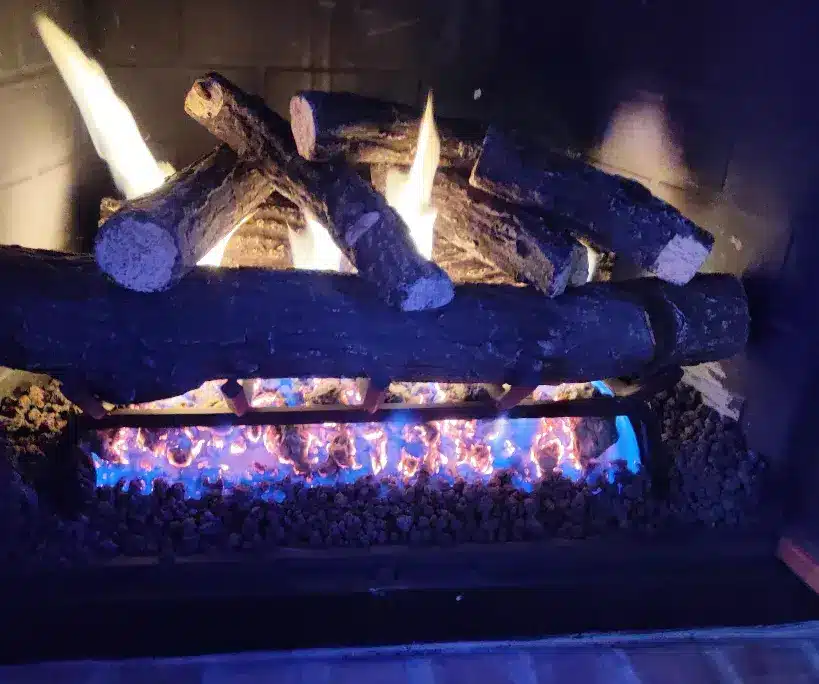
Frequently Asked Questions About a Gas Fireplace Repair
How much does gas fireplace repair cost?
Gas fireplace repair costs vary depending on the issue, replacement parts, and labor involved. Minor repairs such as pilot light adjustments or thermocouple replacements are usually less expensive than major repairs involving gas valves, ignition systems, or venting components. Routine maintenance and annual inspections can help reduce the likelihood of costly repairs.
Why won't my gas fireplace turn on?
A gas fireplace may fail to turn on for several reasons including a faulty pilot light, dead remote batteries, a malfunctioning thermocouple, gas supply issues, clogged burners, or ignition problems. Some issues are simple fixes, while others require professional troubleshooting to safely diagnose and repair the system.
When should I service my gas fireplace?
Gas fireplaces should generally be serviced once a year to ensure safe operation and efficient performance. Annual maintenance includes cleaning burners, inspecting gas lines, checking ventilation, testing ignition components, and verifying proper airflow. Regular servicing helps extend the lifespan of the fireplace and reduces the risk of unexpected breakdowns.
Is it safe to use a gas fireplace that smells like gas?
No, homeowners should never continue using a gas fireplace if they smell gas near the unit. A gas odor may indicate a leak or malfunction that requires immediate attention. Turn off the fireplace, avoid using electrical switches nearby, leave the area if necessary, and contact a qualified gas fireplace repair professional to inspect the system.
Why does my gas fireplace keep shutting off?
A gas fireplace that repeatedly shuts off may have issues with the thermocouple, thermopile, oxygen depletion sensor, venting system, or gas supply. Dirty components and airflow restrictions can also cause intermittent shutdowns. Professional inspection and maintenance can identify the underlying issue and restore reliable fireplace operation.
Chimney repair is one of our main services.
We also offer a free home fire safety check at every service appointment.
Information
Service Areas
- Dallas
- Plano
- Carrollton
- Irving
- McKinney
- Frisco
- Allen
- Garland
- Richardson
- Addison
- Arlington
© 2024 – 2025 | All Rights reserved by The Chimney Inspection & Sweep
Powered By Rank First Labs