NFPA 211 Tier 1 Chimney Inspection, Written Report Included
Covers firebox, damper, smoke chamber, crown, and cap – every accessible component.
Level 1 Chimney Inspection in Dallas: Typical price $79 waived with repair

What a Tier 1 Chimney Inspection Actually Covers
A Tier 1 chimney inspection is the NFPA 211 minimum standard for any chimney in active annual use.
NFPA 211 – the National Fire Protection Association’s standard for chimneys, fireplaces, and venting systems – defines three inspection levels. Tier 1 is the baseline. It applies when your chimney system hasn’t changed fuel type, hasn’t had a new appliance installed, and hasn’t experienced any damage event like a fire or storm.
Here’s what “Tier 1” means in plain terms: a trained technician inspects every part of the chimney they can see and access without moving appliances, opening walls, or using camera equipment. That includes the firebox – the combustion chamber where wood or gas burns – the damper, the smoke chamber, the exterior crown, and the cap.
Nothing is dismantled. Nothing is assumed. Every accessible component gets a direct visual evaluation.
At the end of the visit, you receive a written condition summary. That report is yours to keep. It documents what was found, what condition each component is in, and whether any follow-up is recommended. An inspection isn’t a sales call. It’s a condition report.
Why Dallas Homeowners Schedule This Inspection Every Fall
Dallas chimneys face a specific maintenance pattern that makes annual inspection more important than most homeowners expect.
DFW’s climate swings hard. Surface temperatures on south-facing chimney masonry can exceed 140°F in July. January mornings can drop below freezing. That annual range – sometimes 80 degrees of swing – stresses crown mortar, damper hardware, and masonry joints in ways that accumulate quietly over several seasons.
Most Dallas homes with wood-burning fireplaces sit unused from March through October. During those months, moisture, insects, and debris have unobserved access to the system. By the time fall arrives and someone lights the first fire of the season, a lot can have changed inside the flue that a homeowner wouldn’t detect from the firebox opening.
The Tier 1 inspection isn’t just about catching problems. It establishes a condition baseline. When that baseline is documented in writing each year, you have a reference point for any future repair or insurance situation. That paper trail matters.
We serve homeowners across Dallas, Richardson, Garland, Addison, and Carrollton – many of whom have us on an annual schedule precisely because the written record compounds in value over time.
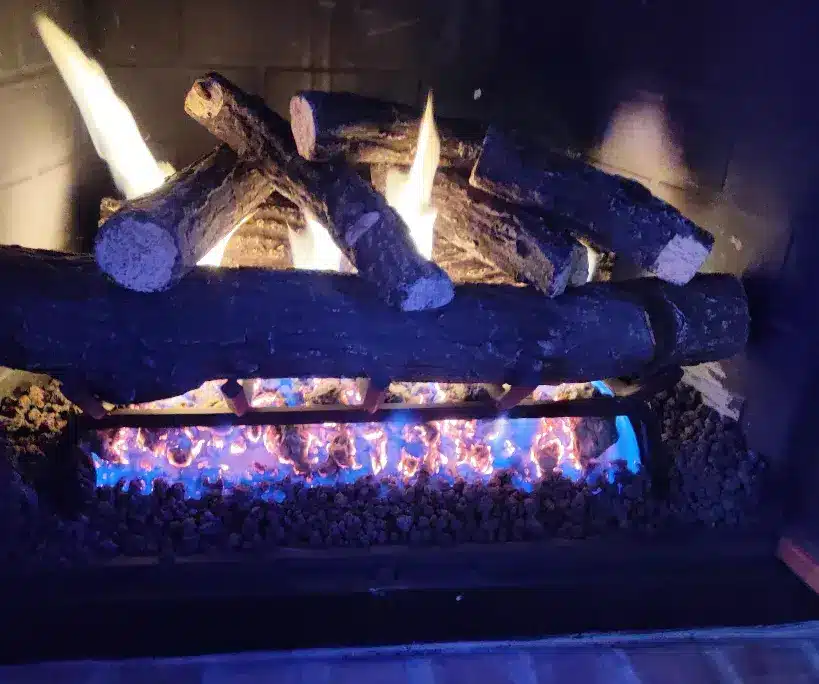
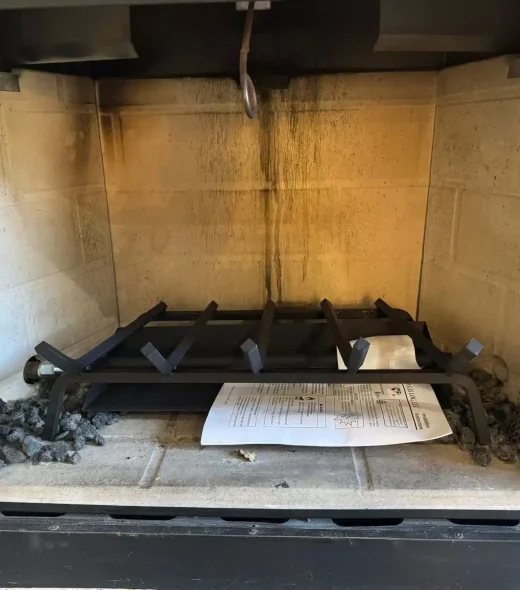
What a Technician Finds Inside a Firebox That's Been Closed All Summer
The firebox tells a story. You just have to know what to read.
Here’s what a summer of sitting closed in a Texas house actually does to a chimney system.
The damper plate – the movable plate above the firebox that seals the flue when the fireplace isn’t in use – corrodes at the hinge point from residual moisture left after spring. By fall, it’s stiff. Sometimes it won’t open fully. Sometimes the handle is gone entirely. A homeowner who doesn’t test the damper before the first fire of the season may end up with a firebox full of smoke before they realize the plate was never properly open.
The smoke chamber – the funnel-shaped space above the firebox that compresses combustion gases toward the flue – accumulates condensed soot on the corbelled ledges during use, then sits damp through a North Texas spring. Over several seasons without inspection, those ledges develop surface mortar failure. The texture gets rough. Rough surfaces increase turbulence, and turbulence means slower gas velocity – which means more creosote deposition on the flue walls above.
The chimney crown – the concrete cap at the top of the masonry structure that directs water away from the flue opening – absorbs the full force of DFW’s thermal cycling. On a Tier 1 inspection, the technician evaluates the crown surface from the roofline. Hairline cracks that look cosmetic from the ground can run deeper than they appear. A crown with surface cracking after a wet spring needs to be documented. If it’s left undocumented, the next hard rain tells you what was missed.
None of this requires camera equipment. None of it requires dismantling anything. It requires knowing where to look and understanding what the evidence means – which is the whole point of the annual Tier 1 inspection.
One Question We Hear Often: Is a Cleaning the Same as an Inspection?
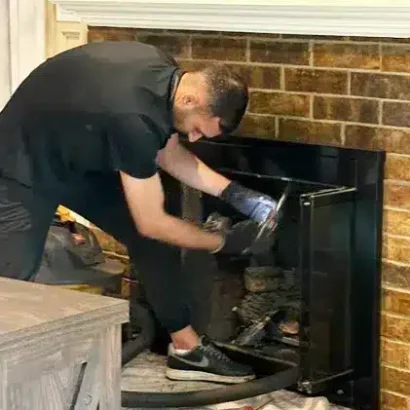
Cleaning and inspection are two different services. One removes what’s there. The other evaluates whether the system is structurally sound.
A chimney cleaning removes soot, ash, and creosote deposits. A Tier 1 inspection evaluates firebox wall condition, damper operation and seal, smoke chamber mortar integrity, crown surface condition, and cap function. Neither service substitutes for the other.
Here’s the practical implication: a homeowner who has their chimney cleaned every year but never inspected may have a cracking crown, a deteriorating smoke chamber, or a damper that doesn’t fully seal – and no documentation that any of those conditions exist. The cleaning removes the surface material. The inspection tells you what’s underneath it.
We deliver both as separate, scheduled services. If you’re booking a Tier 1 inspection and haven’t had a cleaning in 12 months or more, we’ll note that in the condition summary and can schedule the cleaning as a follow-up or same-day service depending on crew availability.
Our Standards for Every Tier 1 Inspection
Every Tier 1 inspection follows the same documented component sequence – no shortcuts, no verbal-only summaries.
- Firebox walls and floor: Checked for cracked firebrick, deteriorating refractory panels, and smoke staining patterns that indicate draft irregularities
- Damper: Tested through full range of motion, evaluated for seal integrity and visible corrosion at the plate and hinge
- Smoke chamber: Inspected for visible spalling, mortar face failure, and creosote accumulation on the smoke shelf directly above the damper
- Chimney crown: Evaluated at roofline for surface cracks, chip damage, slope condition, and drip edge overhang adequacy
- Chimney cap: Checked for structural integrity, mesh condition, and secure mounting on the crown
- Written condition summary: Produced at the completion of every inspection and delivered to the homeowner – not emailed later, not described verbally
The written summary documents what was found and what condition each component is in. It is not a repair estimate. It is a condition report.
How a Tier 1 Inspection Works: Start to Finish
Firebox and Interior Assessment
The technician begins at the firebox. Every accessible interior surface is evaluated in sequence – floor, walls, damper plate, damper frame, and the visible smoke shelf above. Smoke staining patterns are noted. Damper movement is tested manually.
Exterior and Roofline Assessment
The technician then accesses the roof. The crown surface is inspected directly – not from the ladder and not from the ground. The cap is checked for mounting security and mesh integrity. The flue opening at the crown is observed for debris, animal evidence, and visible liner condition at the top.
Documentation and Report Delivery
Findings from each component are recorded during the inspection – at the point of observation, not reconstructed afterward. The written condition summary is delivered to the homeowner at the completion of the visit. The technician walks through the findings verbally and answers any questions. If a follow-up service is recommended – cleaning, crown repair, damper adjustment – it is noted in the summary with a brief explanation of why.
The homeowner leaves the visit knowing the condition of their chimney system. That’s the point.
Pricing
Chimney Inspection Cost in Dallas
Typical price ranges for chimney inspection across Dallas and the DFW Metroplex. Smaller, simpler jobs sit at the low end.
| Service | Typical price |
|---|---|
| Chimney safety inspectionFireplace safety check plus cap, flashing and brick structure check. Waived when you book the repair. | $79 |
| Diagnostic or gas leak test | $125 – $140 |
| Service call | $79 |
Your exact price is confirmed on site before any work starts. Smaller, simpler jobs sit at the low end of each range. Our $79 chimney safety inspection is waived when you book the repair.
Areas We Serve
Tier 1 inspection appointments are available across Dallas and the surrounding communities – typically within the same week during non-peak months.
We serve homeowners in Dallas, Plano, Carrollton, Irving, McKinney, Frisco, Allen, Garland, Richardson, Addison, Arlington, and surrounding areas across the DFW Metroplex. With 12 active crews and more than 850 reviews across platforms, The Chimney Inspection & Sweep has been scheduling and completing Tier 1 inspections in DFW since 1991. Scheduling is rarely more than a few days out outside of peak fall demand.
Ready to Schedule Your Annual Inspection?
Book your Tier 1 chimney inspection with The Chimney Inspection & Sweep – serving Dallas-Fort Worth since 1991.
Call us at 972-884-5553 or email info@theonechimneysweep.com. Tell us your address and a preferred date. We’ll confirm availability and get you on the schedule. The written condition report is included with every inspection.
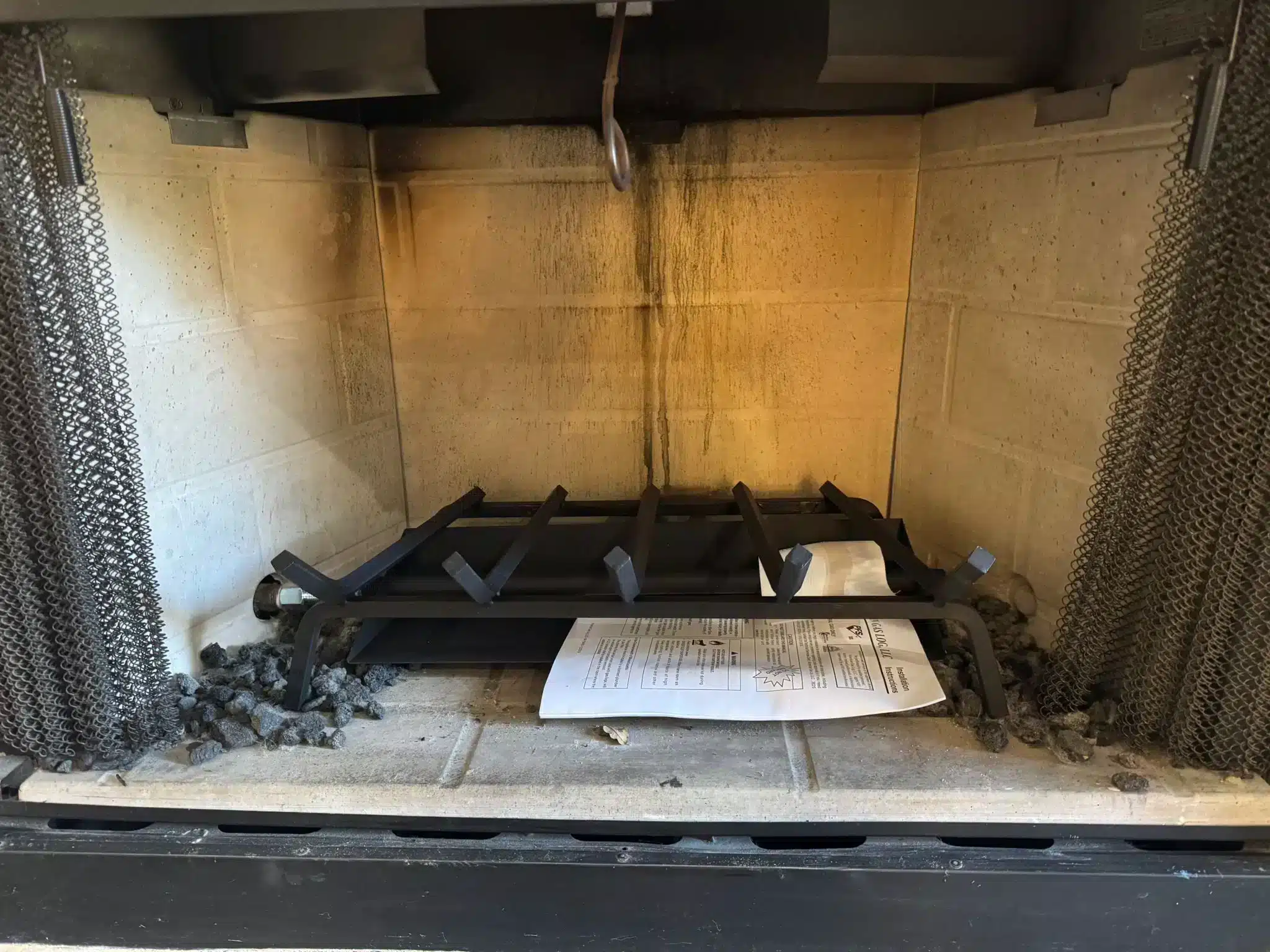

Chimney repair is one of our main services.
We also offer a free home fire safety check at every service appointment.
Information
Service Areas
- Dallas
- Plano
- Carrollton
- Irving
- McKinney
- Frisco
- Allen
- Garland
- Richardson
- Addison
- Arlington
© 2024 – 2025 | All Rights reserved by The Chimney Inspection & Sweep
Powered By Rank First Labs