Tier 3 Chimney Inspection Finds Damage Hidden Inside Walls and Chases
Full photographic documentation delivered before any reconstruction begins.
Level 3 Chimney Inspection in Dallas: Typical price $79 safety inspection, waived with repair
What a Tier 3 Chimney Inspection Actually Is - and When It's Required
A Tier 3 chimney inspection is the only inspection level that accesses damage hidden behind walls, above ceilings, or inside a sealed chase structure.
It is not a more thorough version of a standard visual check. It is not an upgraded camera scan. A Tier 3 – formally defined under NFPA 211 as a Level 3 inspection – requires partial demolition of the chimney structure or surrounding construction to reach areas that no camera, light, or surface examination can confirm.
Most homeowners never need one. That is the correct baseline expectation.
When a chimney fire has moved through a flue, or when a severe storm has pushed water into a sealed chase and the damage cannot be located from any accessible surface, a Tier 3 inspection is not optional. It is the only tool that answers the question the homeowner actually needs answered: What happened inside, and is it safe to use this fireplace again?
The finding that triggers a Tier 3 is typically discovered during a Tier 2 video scan. The camera locates a liner crack with no visible terminus. It finds mortar failure in a sealed section. It shows structural displacement that surface conditions alone cannot explain. At that point, the inspection escalates – not because of policy, but because the evidence says there is more damage somewhere that has not been found yet.
Here is what most homeowners do not realize about a Tier 3 inspection: the demolition involved is targeted and limited. It is not a tear-down. It is access work – removing what is necessary to reach a specific concealed zone, document what is there, and inform the repair scope. Every area accessed is photographed. Every finding is documented before reconstruction begins.
What Dallas and DFW's Chimney Stock Tells Us About Hidden Damage
Dallas’s mix of older masonry chimneys and newer prefab chase systems creates two distinct Tier 3 inspection scenarios.
In East Dallas, Oak Cliff, and older neighborhoods across the city, masonry-chimney homes were built across several decades. Some of those chimneys have clay tile liners that have been in place for forty or fifty years. When a chimney fire moves through one of those flues, the heat can crack the liner along its full height – cracks that run inside sealed mortar beds and are invisible from the firebox opening or the chimney exterior. The damage is real. The flue looks intact from the outside.
In the newer northern suburbs – Frisco, McKinney, Plano, Allen – the chimney is typically a factory-built system inside a wood-framed chase. Chase structures (the framed enclosure surrounding a prefab chimney – a space that can conceal water damage, fire damage, or structural failure behind siding or drywall) present a different problem. After a storm event pushes water into a compromised chase, that moisture migrates through the framing invisibly. The exterior looks fine. The interior of the chase does not.
The Chimney Inspection & Sweep has worked across both systems in DFW since 1991. Understanding which type of chimney is present determines where the concealed damage is most likely located – and which specific area the Tier 3 access work needs to target.
North Texas weather events complicate both scenarios. After a severe ice storm, the thermal shock to masonry and mortar can open fracture paths that were hairline before the event. After a spring hail storm, a prefab chase cover can fail in ways that send water directly into the framing cavity. The 33-year operating history of this business spans those events – and the structural assessment work that follows them.
When a Tier 2 Escalates: A Post-Fire Chimney Assessment in Practice
A post-fire Tier 2 video scan revealed liner damage that the camera could not fully trace – here is how the Tier 3 phase resolved it.
A homeowner in East Dallas contacted us after noticing a strong smell from the fireplace and a faint roaring sound they had heard during their last fire. The firebox looked unchanged. The exterior brick was intact. A Tier 2 video scan of the flue interior confirmed a longitudinal crack in the clay tile liner, but the camera could not establish where the crack terminated – it ran into a sealed section below the smoke chamber.
That is a Tier 3 escalation trigger (a finding during a Tier 2 video inspection that indicates damage may extend beyond what the camera can confirm – typically a liner crack with no visible terminus, mortar failure in a sealed section, or structural displacement not explained by surface conditions).
With the homeowner’s understanding of what the access work would involve, we opened the sealed section. The crack ran through two tile courses. The mortar bed around those courses had separated from the thermal shock. Neither finding was visible from any accessible surface.
We photographed every section before any repair discussion began. The homeowner reviewed the findings. Reconstruction followed after approval.
The fireplace was not used between the initial call and the completed repair. That sequence – inspect, access, document, then repair – is what makes a Tier 3 result trustworthy.
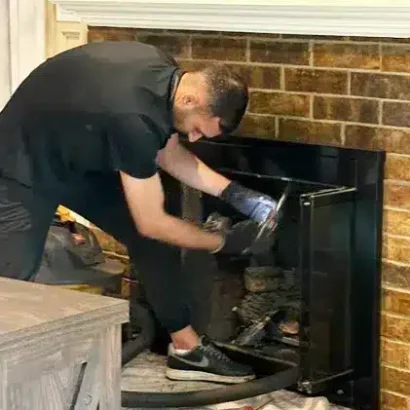
What Homeowners Receive at the End of a Tier 3 Inspection
Every Tier 3 inspection produces a photographic damage record before any repair estimate is issued.
The Chimney Inspection & Sweep delivers documentation from every area accessed during a Tier 3 – firebox, smoke chamber, flue interior via camera, and exterior crown – organized by location with written findings for each section.
That record serves three purposes. The homeowner understands exactly what was found and why each repair is necessary. The insurance carrier receives a verifiable damage report that supports the claim without requiring a separate adjuster visit to the roof. The repair scope is defined by confirmed findings – not by surface assumptions.
Flue liner integrity (the condition of the clay tile, stainless, or cast-in-place liner that contains combustion gases within the flue – the primary focus of post-event inspection because liner failure allows heat and gases to reach combustible framing) is assessed and documented in full. The homeowner does not receive a summary. They receive the evidence.
This documentation approach reflects the transparency commitment behind every Tier 3 we conduct. The homeowner knows what was found before reconstruction begins. That sequence is non-negotiable.
How The Chimney Inspection & Sweep Conducts a Tier 3 Inspection
Diagnostics
Before any access work begins, the technician reviews all available information: the Tier 2 video footage, the surface findings from the exterior and interior, and the event history – what happened, when, and what was observed at the time.
The diagnostic phase establishes the target zone – the specific area where the Tier 2 evidence indicates concealed damage. On a masonry chimney, this might be a sealed section of the liner run between the firebox and the smoke chamber. On a prefab chase system, it might be the upper chase interior above the chase cover.
The homeowner understands what will be opened and why before the work starts.
Implementation
Access work is performed at the targeted zone. For a masonry chimney, this typically means removing sections of drywall, masonry, or other construction materials to reach the concealed flue section. For a prefab chase, it may mean removing chase panels or siding to access the chase interior.
Every area opened is photographed. Findings are documented as they are encountered – liner cracking pattern, mortar joint condition, evidence of heat penetration, moisture damage in framing. Every finding is recorded as it appears.
Post-Service Testing
After documentation is complete and before reconstruction begins, the technician produces the findings report. This is the document the homeowner reviews before any repair work is authorized.
The report identifies every accessed area, every finding in that area, and what that finding means for the repair scope. Photographs are organized by location. The homeowner is walked through the findings in plain language.
Reconstruction – closing the access points and beginning any required chimney repairs – does not begin until the homeowner has reviewed and approved the findings.
Pricing
Chimney Inspection Cost in Dallas
Typical price ranges for chimney inspection across Dallas and the DFW Metroplex. Smaller, simpler jobs sit at the low end.
| Service | Typical price |
|---|---|
| Chimney safety inspectionFireplace safety check plus cap, flashing and brick structure check. Waived when you book the repair. | $79 |
| Diagnostic or gas leak test | $125 – $140 |
| Service call | $79 |
Your exact price is confirmed on site before any work starts. Smaller, simpler jobs sit at the low end of each range. Our $79 chimney safety inspection is waived when you book the repair.
Areas We Serve
Tier 3 chimney inspections are available across the full Dallas-Fort Worth Metroplex.
We serve Dallas, Plano, Carrollton, Irving, McKinney, Frisco, Allen, Garland, Richardson, Addison, Arlington, and surrounding communities throughout DFW. Both older masonry-chimney neighborhoods in East Dallas and Oak Cliff and newer prefab chase systems in the northern suburbs are within our service area. Response is available 24/7 for post-fire and post-storm inspection requests.
Schedule a Tier 3 Chimney Inspection in Dallas
A Tier 3 inspection confirms what a camera cannot reach – and produces a documented record before repairs begin.
If you have experienced a chimney fire, a significant storm event, or a Tier 2 inspection that identified damage in an inaccessible area, call The Chimney Inspection & Sweep at 972-884-5553. You can also reach us at info@theonechimneysweep.com or through the contact form on this site. We respond 24/7. Tell us what happened and we will tell you what the next step is.
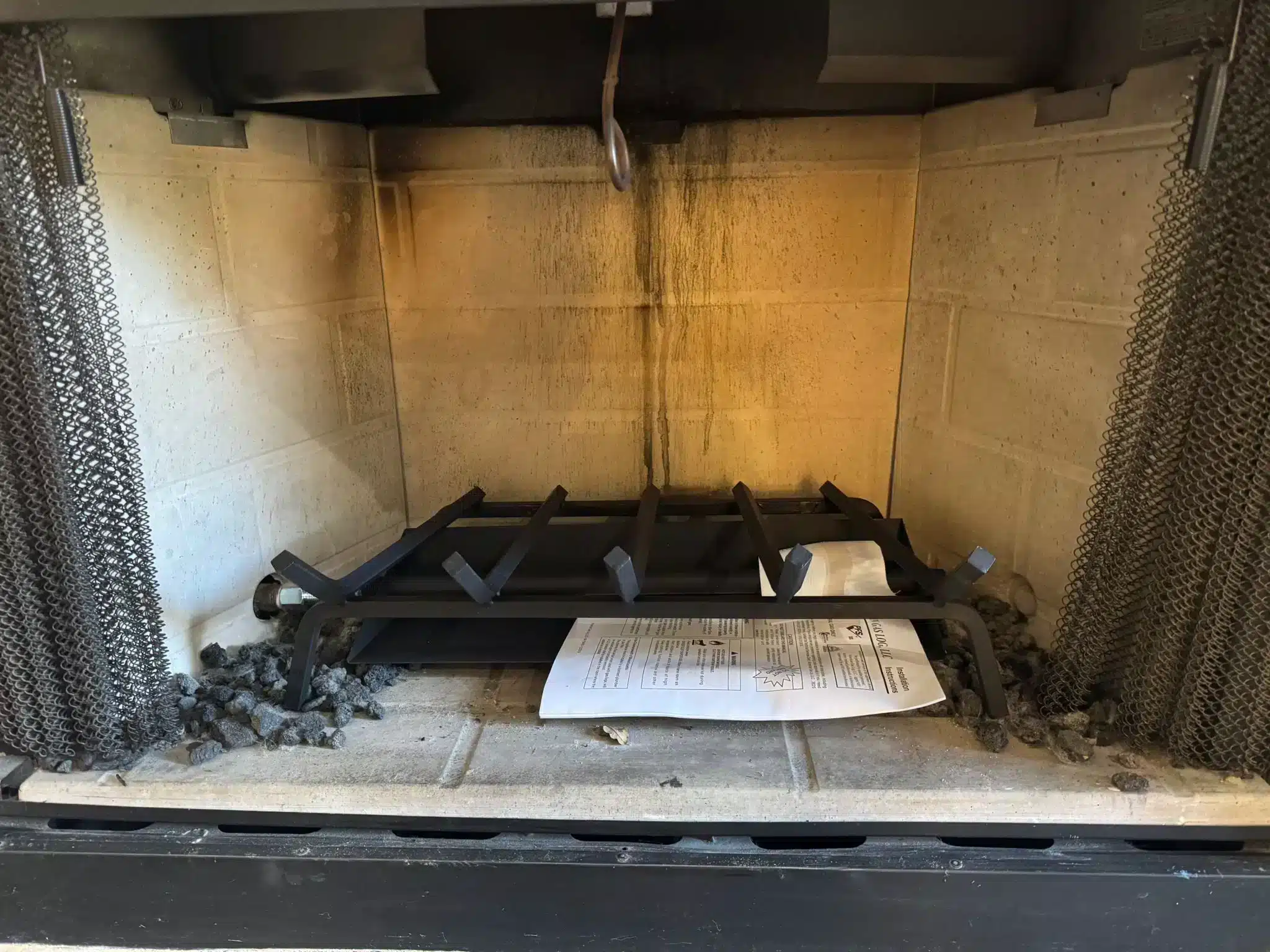
Chimney repair is one of our main services.
We also offer a free home fire safety check at every service appointment.
Information
Service Areas
- Dallas
- Plano
- Carrollton
- Irving
- McKinney
- Frisco
- Allen
- Garland
- Richardson
- Addison
- Arlington
© 2024 – 2025 | All Rights reserved by The Chimney Inspection & Sweep
Powered By Rank First Labs