
Gas Fireplace Pilot Light Diagnosed and Running Today
Thermocouple output tested before any part is replaced – no guesswork on gas components.
What Actually Stops a Gas Fireplace Pilot Light From Holding
A pilot light that won’t hold is almost always a thermocouple failure, a gas valve issue, or a system mismatch – not a mystery.
Here’s the situation most Dallas homeowners describe when they call us. The gas fireplace sat unused all spring and summer. October arrives. You flip the switch or press the igniter button. The spark clicks. A small flame may appear for a second. Then it goes out the moment you let go of the button.
That single symptom – pilot won’t hold when released – points directly to one component. The thermocouple (a heat-sensing safety device that keeps the gas valve open while the pilot flame is burning) has either worn out or lost its connection. When it fails, the gas valve closes the moment the button is released.
But not every pilot problem is a thermocouple. Some gas fireplaces in Dallas homes use a standing pilot system – a design that keeps a small flame burning continuously, even when the fireplace is off. Others use Intermittent Pilot Ignition (IPI) – an electronic system that only lights when the fireplace calls for heat. Those two systems fail differently and get diagnosed and repaired differently. The gas valve itself can also mimic a thermocouple failure. Running the wrong repair wastes money. Running the right diagnostic first doesn’t.
Thirty-Three Years of Gas Fireplace Calls Across Dallas Neighborhoods
Field exposure since 1991 means our technicians have seen every gas fireplace generation Dallas has installed.
The Chimney Inspection & Sweep has been making gas fireplace calls across Dallas since 1991. That’s more than three decades of service across neighborhoods like White Rock Lake, the Medical District, and the Park Cities – where homes range from mid-century builds with original standing pilot systems to post-2010 construction with IPI setups and electronic ignition modules.
That field history produces something valuable. A technician who has serviced gas fireplaces across multiple construction eras recognizes failure patterns quickly. A standing pilot thermocouple from a 1994 build fails differently than an IPI igniter module in a 2015 home. The part numbers differ. The access points differ. The diagnostic sequence differs.
Dallas gas fireplaces also face a specific seasonal stress that accelerates component wear. The climate runs hot for six or seven months. Systems sit completely idle. When the first cool front arrives in November – often the same week every year in DFW – calls spike because dozens of fireplaces are being fired up after months of zero use. Our 12-crew team is structured to absorb that seasonal surge without stretching timelines.
Gas Ignition Work Done Right the First Time
We identify the exact failure point before any part is quoted, ordered, or installed.
A repeat service call on a gas component costs more than the visit fee. It costs another blocked afternoon. Another cold fireplace. Another week without the system you wanted for winter.
Our diagnostic process is built to prevent that. We test thermocouple output, inspect the gas valve seat condition, and confirm whether the system is a standing pilot or IPI configuration – before any component is recommended for replacement. That sequence matters.
Here’s what most homeowners don’t realize about gas fireplace ignition: the thermocouple and the gas valve interact as a circuit. If one element of that circuit is degraded, replacing a single component may not restore function. The millivolt reading tells us whether the circuit is working end-to-end – or where it’s breaking down. Getting it right the first time is a direct result of testing before assuming.
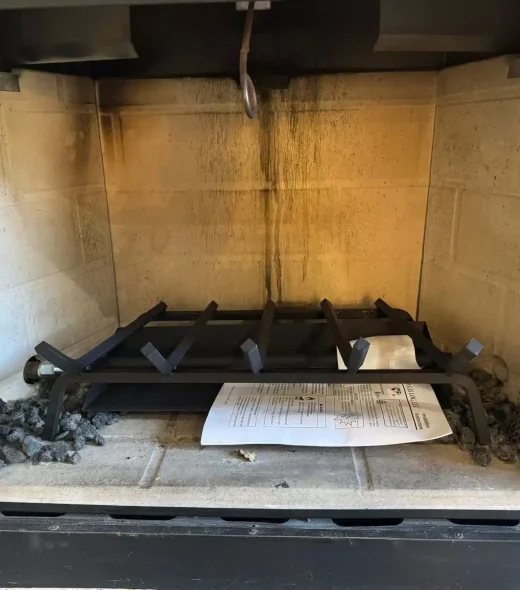
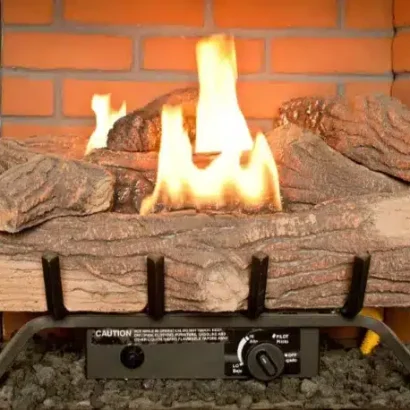
The Testing Steps We Run Before Installing Any Pilot Component
Every gas fireplace pilot service starts with measurement – not assumption. Our pre-installation sequence covers these specific checkpoints:
- Millivolt output test – thermocouple is measured live in the pilot flame; output between 25-30 mV confirms function
- Gas valve seat inspection – connection threads checked for corrosion or looseness that breaks the thermocouple signal
- System type confirmation – standing pilot vs. IPI identified; service approach selected accordingly
- Spark electrode gap check (IPI systems) – gap measured and adjusted if outside specification
- Gas pressure verification – inlet pressure confirmed at the valve; low pressure mimics valve failure
- Pilot orifice inspection – small orifice checked for blockage from dust or debris accumulated during inactivity

Standing Pilot vs. IPI Systems - Why the Service Approach Differs
Standing Pilot Systems
A standing pilot system burns a continuous flame. It uses a thermocouple to hold the gas valve open. When the thermocouple wears out – typically after seven to ten years in a system used seasonally – the pilot extinguishes on release. Diagnosis is straightforward: light the pilot manually, hold the button, read the millivolt output. The number tells the story. Replacement parts for standing pilot systems are widely available and relatively consistent across brands. Many DFW homes built before 2010 still run this configuration.
IPI Systems
Intermittent Pilot Ignition (IPI) uses an electronic control module to ignite the pilot only when heat is called for. There’s no continuous flame. The system clicks when activated, the pilot lights, and the main burner follows. When this system fails, there’s no flame to test with a thermocouple reader. IPI diagnostic steps focus on the control module, the igniter electrode, and the wiring connections. Power source – battery or hardwired – is confirmed first. Then the spark gap is measured. Then the module’s output signal is tested.
System Type Identification First
Post-2010 construction in Frisco, McKinney, and Allen is heavily IPI. A technician who runs a standing-pilot diagnostic on an IPI system won’t find the fault. Knowing which system is in the fireplace before picking up a tool is step one of every call we run. We confirm the system type during the initial inspection – that determines the entire diagnostic and repair path.
Pilot Light Installation Service Available Across the DFW Metroplex
We serve gas fireplace calls across Dallas and the full DFW Metroplex – 12 crews, no long wait. The Chimney Inspection & Sweep serves pilot light installation and ignition repair calls across Dallas, Plano, Carrollton, Irving, McKinney, Frisco, Allen, Garland, Richardson, Addison, Arlington, and surrounding DFW communities. From Park Cities homes with 1990s standing pilot systems to new IPI builds in Frisco and McKinney – our crews know the local housing stock and carry parts for both system types on every service vehicle.
Ready to Schedule Your Gas Fireplace Pilot Light Service?
Call 972-884-5553 or email info@theonechimneysweep.com – we’ll get a crew to your Dallas-area home. The Chimney Inspection & Sweep has diagnosed and repaired gas fireplace pilot light systems across Dallas and DFW since 1991. More than 850 verified reviews across platforms reflect what three decades of diagnostic-first service produces. Tell us your fireplace system type if you know it. Not sure? That’s fine – identifying it is part of our first step.
FAQ
What does it cost to have a gas fireplace pilot light diagnosed and repaired?
Call 972-884-5553 for current rates. Diagnostic cost varies based on system type (standing pilot vs. IPI), the failed component identified, and whether parts are needed. Testing before replacing anything means you’re quoted only for what actually failed – not for parts replaced by assumption.
How long does a pilot light service call take?
Most pilot light diagnosis and repair visits take 60 to 90 minutes. Standing pilot thermocouple replacements are typically faster. IPI system diagnostics take longer because the ignition module, electrode, and wiring harness are each checked in sequence. Your technician will give you a time estimate after identifying the system type – before any work begins.
What's the difference between a thermocouple and a thermopile - and which one does my fireplace have?
A thermocouple is a single heat-sensing wire that keeps the gas valve open while the pilot burns. A thermopile is a larger sensor that generates enough voltage to power the gas valve without a separate power source. Most older standing pilot gas fireplaces use a thermocouple. Fireplaces with wall switches or remote controls often use a thermopile. Your technician identifies which system is installed during the diagnostic step – before any parts are recommended.
My pilot light worked fine last year - why would it fail now after just sitting unused?
Six or more months of inactivity is the most common cause of thermocouple failure in DFW gas fireplaces. Dust accumulates on the pilot orifice. Condensation forms inside the gas valve seat. Thermocouple tips oxidize when not kept warm by a continuous flame. None of these show up as warning signs – the system simply stops holding when you need it in November.

Chimney repair is one of our main services.
We also offer a free home fire safety check at every service appointment.
Information
Service Areas
- Dallas
- Plano
- Carrollton
- Irving
- McKinney
- Frisco
- Allen
- Garland
- Richardson
- Addison
- Arlington
© 2024 – 2025 | All Rights reserved by The Chimney Inspection & Sweep
Powered By Rank First Labs