
Glazed Creosote Removal in Dallas: What a Standard Sweep Can't Clear and What Actually Works.
If a technician told you your flue has hard, shiny creosote, you are dealing with third-degree glazed buildup - and a standard wire brush will not touch it. Here is what that means, what the removal process actually involves, and why leaving it is a documented fire risk.
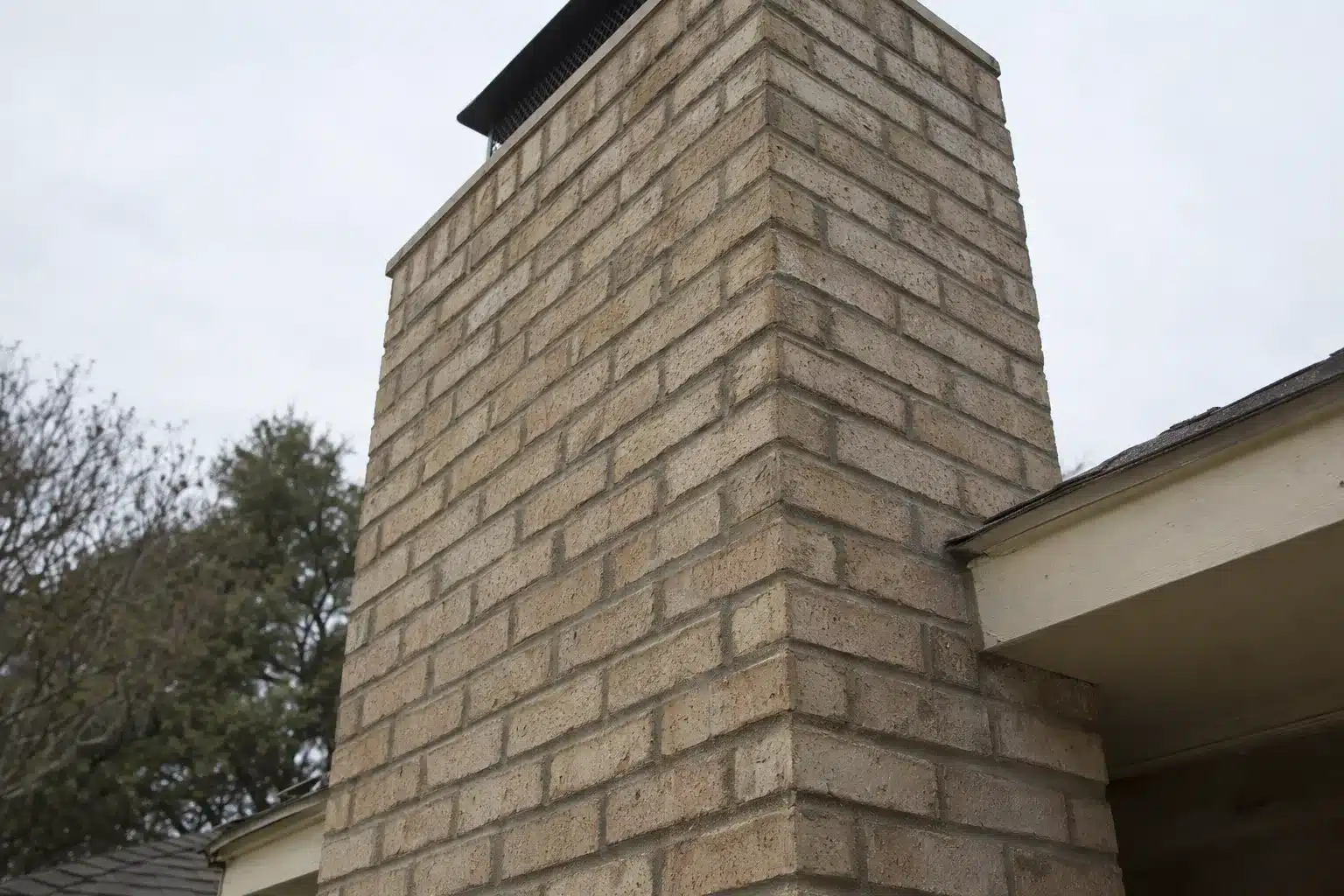
Glazed Creosote Is a Different Problem. It Requires a Different Process.
Third-degree creosote is not soot. It is a hardened, tar-like deposit that bonds directly to flue tile and metal liner surfaces. Standard rotary poly brushes and wire brushes are designed for first- and second-degree deposits. Against glazed buildup, they slide off without removing material.
Learn more about chimney wasp removal Dallas in Flower Mound
Founded in 1991, The Chimney Inspection & Sweep runs 12 active crews across the Dallas-Fort Worth Metroplex. Our technicians are certified through the Chimney Safety Institute of America (CSIA), which requires demonstrated competency in creosote classification and advanced removal methods as part of its certification curriculum. That credential is what qualifies a sweep to recommend and perform glazed creosote removal rather than simply brushing past it.
Every glazed creosote job produces a written inspection report documenting the degree of buildup found, the removal method used, the number of visits required, and the post-clearance condition of the flue. That report matters for homeowner records and for insurance documentation if a chimney fire has already occurred.
Our chimney sweeping and cleaning in Dallas uses HEPA containment systems on every job, including glazed creosote removal. When chemical treatments or rotary chain systems are in use, containment is not optional - dislodged material and chemical residue must be captured before they reach living areas.
Not All Creosote Is the Same. Degree Determines the Method.
Creosote is classified in three degrees based on physical form and density. Each degree requires a different removal approach. What works on first-degree deposits will accomplish nothing against third-degree glazed buildup.
1st
Degree
Dusty or Flaky Deposits
Light, loose, and easily removed by a standard wire brush. This is the expected result of regular sweeping after each burning season. It forms when flue gases cool and condense before exiting. Routine annual sweeps handle this degree without issue.
- Loose, flaky consistency
- Gray to black in color
- Removed by standard rotary brush
2nd
Degree
Tar-Like or Hardened Flakes
Denser than first-degree, often with a crunchy or tar-coated texture. This forms when first-degree deposits are heated repeatedly without removal. Heavy-duty rotary brushes can clear much of it, but pockets of harder material may need a chemical pre-treatment before brushing is effective.
- Hardened, layered deposits
- May require chemical pre-treatment
- Often found with irregular burning habits
3rd
Degree - Glazed
Hard, Shiny, Bonded to the Flue Wall
This is the deposit a brush cannot touch. Third-degree creosote has been exposed to intense heat that converted it into a dense, glassy coating bonded chemically to tile or metal liner surfaces. See the full job example below. Removal requires rotary chain systems, chemical treatment, or both - across multiple visits. See our chimney inspection and cleaning services for full detail on what each visit involves.
- Shiny, hard, tar-like surface
- Bonded directly to flue tile
- Cannot be brushed away - requires advanced methods
Why a Wire Brush Fails on Glazed Creosote
- 01Surface hardness.
Third-degree creosote has a Mohs-comparable hardness that standard poly and wire brush bristles cannot penetrate. The brush makes contact and deflects without removing material.
- 02Adhesion to flue tile.
Glazed deposits are not sitting on the flue surface - they are chemically bonded to it. Mechanical brushing without prior chemical softening cannot break that bond.
- 03Deposit geometry.
Glazed creosote often forms uneven ridges and drip patterns. A round brush riding along the center of a flue makes inconsistent contact with an irregular surface.
- 04Risk of thermal cracking.
Aggressive mechanical force against a hard-bonded deposit can crack flue tiles that are already stressed from heat. Chemical pre-treatment reduces the force required and limits that risk.
What the Fire Risk Actually Looks Like
Glazed creosote ignites at approximately 451°F and burns at temperatures exceeding 2,000°F. A standard wood fire in a fireplace burns between 600°F and 900°F at the firebox - well above the ignition point for third-degree deposits.
When glazed creosote ignites inside a flue, it does not behave like a wood fire. It burns intensely, generates extreme radiant heat through the flue walls, and can sustain combustion for 30 minutes or longer. Flue tiles crack. Mortar joints fail. Heat transfers into the framing cavity.
The NFPA 211 standard specifically requires that chimneys with third-degree creosote be taken out of service until the deposit is fully removed. That is not a suggestion - operating a fireplace with glazed buildup present is a documented ignition hazard.
How Glazed Creosote Is Actually Removed, Step by Step
01
Level 2 Camera Inspection
A camera scan of the full flue documents deposit thickness, distribution, and any existing tile cracks before work begins. This establishes baseline condition and determines whether rotary chain, chemical treatment, or a combination is appropriate.
02
Chemical Pre-Treatment (Visit 1)
A chemical agent - typically a chloride compound formulated specifically for third-degree creosote - is applied to the deposit surface. It disrupts the bond between the creosote and the flue tile over 7 to 14 days, changing the deposit's physical structure from glassy-hard to brittle and removable.
03
Rotary Chain System (Visit 2)
After the chemical treatment period, a rotary chain system is run through the flue. Unlike a wire brush, the chain assembly physically impacts the now-brittle deposit surface at high rotation, fracturing and dislodging material. HEPA containment captures the debris at the firebox opening. Multiple passes are standard on heavy deposits.
04
Post-Clearance Camera Scan and Report
A second camera inspection documents the flue after removal. Any areas with residual buildup are flagged. The written report records pre- and post-clearance condition, methods used, and whether the flue is cleared for use. If significant residual deposit remains, a third visit may be necessary.
Preston Hollow, Dallas: Before and After
A homeowner in Preston Hollow contacted us after a different company's annual sweep noted third-degree glazed creosote in a wood-burning fireplace that had been used heavily for three consecutive winters without interim cleaning.
What the camera found: glazed deposits averaging 3/8 inch thick across the lower two-thirds of the clay tile flue, with one section approaching 1/2 inch at a bend in the liner. No existing tile cracks, which kept the job from escalating to liner replacement.
- Visit 1: Level 2 camera scan, chemical pre-treatment applied to full flue length, HEPA containment installed at firebox.
- 12-day wait for chemical treatment to alter deposit structure.
- Visit 2: Rotary chain system run through the full flue in multiple passes, debris captured by HEPA containment, post-clearance camera scan performed.
- Result: flue tile fully cleared, no residual glazed deposit in camera scan, written report issued documenting before and after condition.
- Homeowner advised on burn practice changes - primarily burning smaller, hotter fires and using seasoned hardwood - to slow future creosote progression.
Total visits: two. The flue was cleared in that sequence without tile replacement because the chemical pre-treatment period was observed in full before mechanical removal began.
Visit Count Depends on Deposit Thickness and Flue Condition
Most glazed creosote jobs in Dallas require two visits. The first applies chemical treatment. The second performs rotary chain removal and camera verification. Skipping the chemical phase and going straight to mechanical removal risks tile damage and incomplete clearance on heavy deposits.
A third visit becomes necessary when:
- Deposit thickness exceeds 1/2 inch in any section, requiring a second chemical application before additional mechanical passes.
- The flue has an offset or bend that limits rotary chain contact, leaving pockets that need targeted follow-up.
- Post-clearance camera reveals residual deposits above the threshold for safe operation under NFPA 211 guidance.
- Tile cracks are discovered during the process, adding a liner evaluation step before the flue can be returned to service.
One-visit promises for glazed creosote removal should be evaluated carefully. The chemical treatment phase requires days to work. Any method that skips it is mechanical-only and carries higher risk of incomplete clearance or tile damage on true third-degree deposits.
Before You Schedule Glazed Creosote Removal
A few specifics that help you understand the process and ask the right questions when you call a sweep about third-degree creosote.
Confirm the degree before authorizing any method. A camera-based Level 2 inspection is the only reliable way to establish deposit degree, thickness, and flue condition. Our comprehensive chimney inspection services produce a written report documenting what was found before any removal work is authorized.
Ask whether a camera scan is included
No technician can accurately classify third-degree creosote by flashlight alone. Deposit thickness, distribution, and flue tile condition all require camera documentation. If a quote for glazed creosote removal does not include a pre-work camera scan, the method choice is a guess.
Chemical treatment takes time
A properly applied creosote chemical treatment needs 7 to 14 days to alter the deposit structure. Any process that claims to chemically treat and mechanically remove third-degree creosote in a single visit is not allowing adequate treatment time. That matters for both clearance quality and tile safety.
The fireplace must stay out of service
Third-degree glazed creosote is an active ignition hazard. NFPA 211 requires the appliance to be taken out of service until the deposit is fully removed and documented. Do not use the fireplace between the chemical treatment visit and the mechanical removal visit.
Burn practice changes reduce recurrence
Glazed creosote forms fastest when fires smolder at low temperatures. Small, hot fires using dry, seasoned hardwood generate higher flue temperatures and faster gas velocity, both of which reduce condensation. Switching burn habits after removal significantly slows the return of heavy buildup.
Service Areas
Our 12 crews serve the full Dallas-Fort Worth Metroplex, including:
Find services near you →Also Inspect At the Same Visit
Urgent Issues We Also Handle
Glazed Creosote Removal Dallas: Common Questions
01What is glazed creosote and how is it different from regular creosote?
Glazed creosote is third-degree creosote - a hard, shiny deposit that has been baked onto flue tile or metal liner surfaces by repeated high-heat exposure. First-degree creosote is loose and dusty, removed by a standard brush. Second-degree is denser and flaky but still mechanically removable. Third-degree has a glass-like surface and is chemically bonded to the flue wall. It requires chemical pre-treatment followed by rotary chain or other mechanical methods to remove.
02Can I keep using my fireplace while waiting for glazed creosote removal?
No. Third-degree creosote ignites at approximately 451°F, well below normal firebox operating temperatures. NFPA 211 requires chimneys with third-degree deposits to be taken out of service until removal is complete and documented. This applies during the chemical treatment wait period as well - do not use the fireplace between visits.
03How many visits does glazed creosote removal take?
Most jobs require two visits: one to apply chemical treatment and one to perform rotary chain removal and post-clearance camera verification. The chemical treatment phase takes 7 to 14 days. A third visit is needed when deposit thickness exceeds 1/2 inch, flue geometry limits chain contact, or the post-clearance camera reveals residual buildup. The number of visits depends on what the inspection finds, not a fixed schedule.
04What is a rotary chain system and how does it work?
A rotary chain system is a powered tool that spins a weighted chain assembly through the flue at high rotation. Unlike a brush, which flexes around hard surfaces, the chain physically impacts the deposit with enough force to fracture hardened material. It is effective against third-degree creosote after chemical pre-treatment has made the deposit brittle. HEPA containment at the firebox opening captures dislodged material during the process.
05What certification should a sweep have to remove glazed creosote?
CSIA certification - through the Chimney Safety Institute of America - includes training in creosote classification and advanced removal methods. It is the standard credential for this type of work. Ask to see the technician's current certification card. Our technicians carry CSIA credentials and document their findings in writing on every job.
06Will glazed creosote removal damage my flue tiles?
Properly sequenced chemical pre-treatment followed by rotary chain removal carries lower tile damage risk than attempting mechanical removal on untreated third-degree deposits. Forcing a chain system against hard-bonded glazed creosote without prior treatment puts significant impact stress on tile that may already be heat-stressed. This is one reason skipping the chemical phase to do a one-visit removal is a trade-off worth understanding before authorizing work.
07What inspection level is needed to identify third-degree creosote?
A Level 2 chimney inspection with camera documentation is the reliable standard. Camera scanning shows deposit thickness, distribution, and whether flue tiles beneath the creosote are already cracked. A visual check through the damper opening can suggest heavy buildup, but it cannot confirm deposit degree or assess the full flue length. Both pre- and post-removal camera scans are part of our standard glazed creosote removal process.
- Learn more about Chimney Wasp Removal Services
- Learn more about Bird Nest Removal Chimney Dallas, TX
- Learn more about Comprehensive Chimney Inspection Services for a Safer Home
- Learn more about Chimney Evaluation Services
- Learn more about Chimney Inspection And Cleaning Services
- Learn more about Chimney Flashing Services
- Chimney Sweep North Texas in Carrollton
- Refractory Fireplace Panel Replacement Dallas
- Level 1 vs. Level 2 vs. Level 3 Chimney Inspection
Schedule Your Glazed Creosote Inspection Today
Third-degree creosote does not get better with time. Each fire adds heat to a deposit that is already at ignition risk. The flue needs to stay out of service until the buildup is fully removed and documented.
Our crews have been performing glazed creosote removal in Dallas and across the DFW Metroplex since 1991. We inspect it with a camera, document the degree and thickness in writing, treat and remove it using the correct sequence, and issue a post-clearance report before the fireplace goes back into service.
The Chimney Inspection & Sweep · Dallas-Fort Worth Metroplex · In business since 1991 · Inspection & Cleaning Services · Cleaning Services · What Is a Chimney Sweep? · © 2026
Schedule Your Glazed Creosote Inspection Today
Third-degree creosote does not get better with time. Each fire adds heat to a deposit that is already at ignition risk. The flue needs to stay out of service until the buildup is fully removed and documented.
Our crews have been performing glazed creosote removal in Dallas and across the DFW Metroplex since 1991. We inspect it with a camera, document the degree and thickness in writing, treat and remove it using the correct sequence, and issue a post-clearance report before the fireplace goes back into service.
1991
Year Founded
33
Years Serving DFW
12
Active Field Crews
✓
Written Reports Every Job
The Chimney Inspection & Sweep · Dallas-Fort Worth Metroplex · In business since 1991 · Inspection & Cleaning Services · Cleaning Services · What Is a Chimney Sweep? © 2026
