Chimney Flashing Repair Cost in Dallas (2026): A Homeowner’s Decision Guide
April 27, 2026
- By
- The One Chimney Sweep
- Chimney and Fireplace Specialists
At The One Chimney Sweep, we’ve been helping homeowners understand chimney flashing repair cost in Dallas (2026) for years of experience, and we’ve noticed most people only start researching after they see a ceiling stain. This guide walks you through what actually drives the cost, what quality work should include, and how to avoid paying twice for the same repair. We’ve seen a Dallas homeowner spend a few hundred dollars on a quick patch, only to face interior drywall and framing repairs months later because the flashing was never integrated properly with the shingles. If you’re already dealing with moisture, our chimney leak repair in Dallas guide explains how flashing failures often start the problem.
Comparing materials, methods, and warning signs before you commit

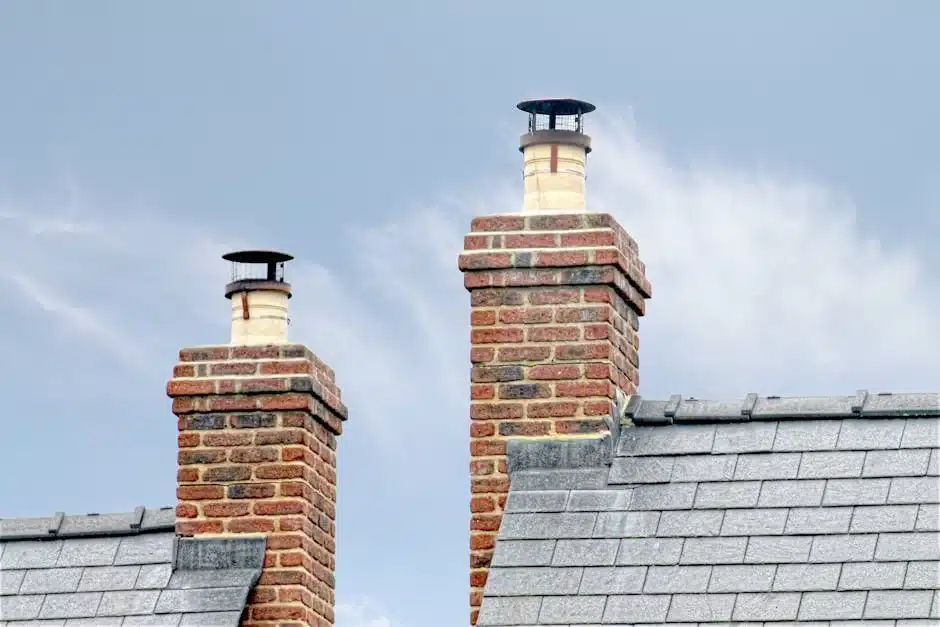
Quality chimney flashing repair follows clear best practices. The goal is to create a layered, shingle-style water barrier that directs water downhill and away from the structure. Anything less is temporary. When comparing options, consider:
- Galvanized steel flashing: Durable and cost-effective, typically 26-gauge or thicker. Performs well when properly painted or coated.
- Aluminum flashing: Lightweight and easier to shape, but more prone to corrosion if it contacts masonry without proper separation.
- Copper flashing: Premium option with long lifespan, often used on higher-end homes. Higher upfront cost but strong resistance to corrosion.
- Removing shingles around the chimney, not just surface patching.
- Installing individual step flashing pieces woven with each shingle course.
- Cutting a reglet into mortar for counterflashing instead of surface-mounting.
- Sealing with high-quality polyurethane or silicone-based sealant rated for exterior masonry.
Questions to ask and how the repair process typically works
Understanding chimney flashing repair cost in Dallas (2026) starts with asking the right questions. A thorough repair usually follows this process:
- Roof and chimney inspection, including attic check for moisture intrusion.
- Removal of shingles around the chimney base.
- Installation of new step flashing and counterflashing.
- Replacement of shingles and sealant application.
- Site complexity (roof pitch, height, accessibility)
- Material costs (galvanized steel vs. copper)
- Total scope (decking damage, masonry repairs)
Get Clear Answers Before You Commit
Flashing problems rarely fix themselves, and surface patches usually cost more in the long run. Before signing off on a quick repair, get a detailed evaluation of how your flashing integrates with the roof and masonry. We provide thorough inspections, clear explanations, and realistic cost expectations so you can make a confident decision. Whether you’re comparing bids or addressing an active leak, our team will outline the scope, materials, and code considerations that protect your home for years – not just until the next storm.
FAQs
How much does chimney flashing repair cost in Dallas in 2026?
Chimney flashing repair cost in Dallas (2026) typically depends on the extent of damage and material choice. Minor repairs with localized step flashing replacement may fall in the mid-hundreds, while full flashing system replacements can reach into the low thousands. Dallas weather – especially heavy rain and prolonged heat – often accelerates sealant breakdown and metal expansion, increasing the likelihood of hidden decking damage. Homes with steep roof pitches or multi-story access usually cost more due to safety setup and labor time. The only accurate way to determine cost is through an on-site inspection that evaluates both roof integration and masonry condition.
Is chimney flashing repair covered by homeowners insurance?
Insurance coverage depends on the cause of damage. If flashing failure results from sudden storm damage, wind uplift, or a covered peril, your policy may contribute to repair costs. However, gradual deterioration, corrosion, or improper installation typically falls under maintenance issues and may not be covered. In Dallas, hail and wind claims sometimes include flashing if the adjuster determines storm impact compromised the seal. We recommend documenting visible damage, taking interior photos of water stains, and reviewing your policy language carefully. A professional inspection report can help clarify whether the issue appears storm-related or maintenance-related.
What factors most affect chimney flashing repair cost?
Several variables influence total cost. Repairs may range from a few hundred dollars for minor corrections to several thousand for complex restorations. Three major factors include:
- Site complexity, such as roof pitch, height, and accessibility.
- Material costs, including whether galvanized steel, aluminum, or copper is used.
- Total scope, such as decking replacement or masonry joint repairs.
Can I repair chimney flashing myself?
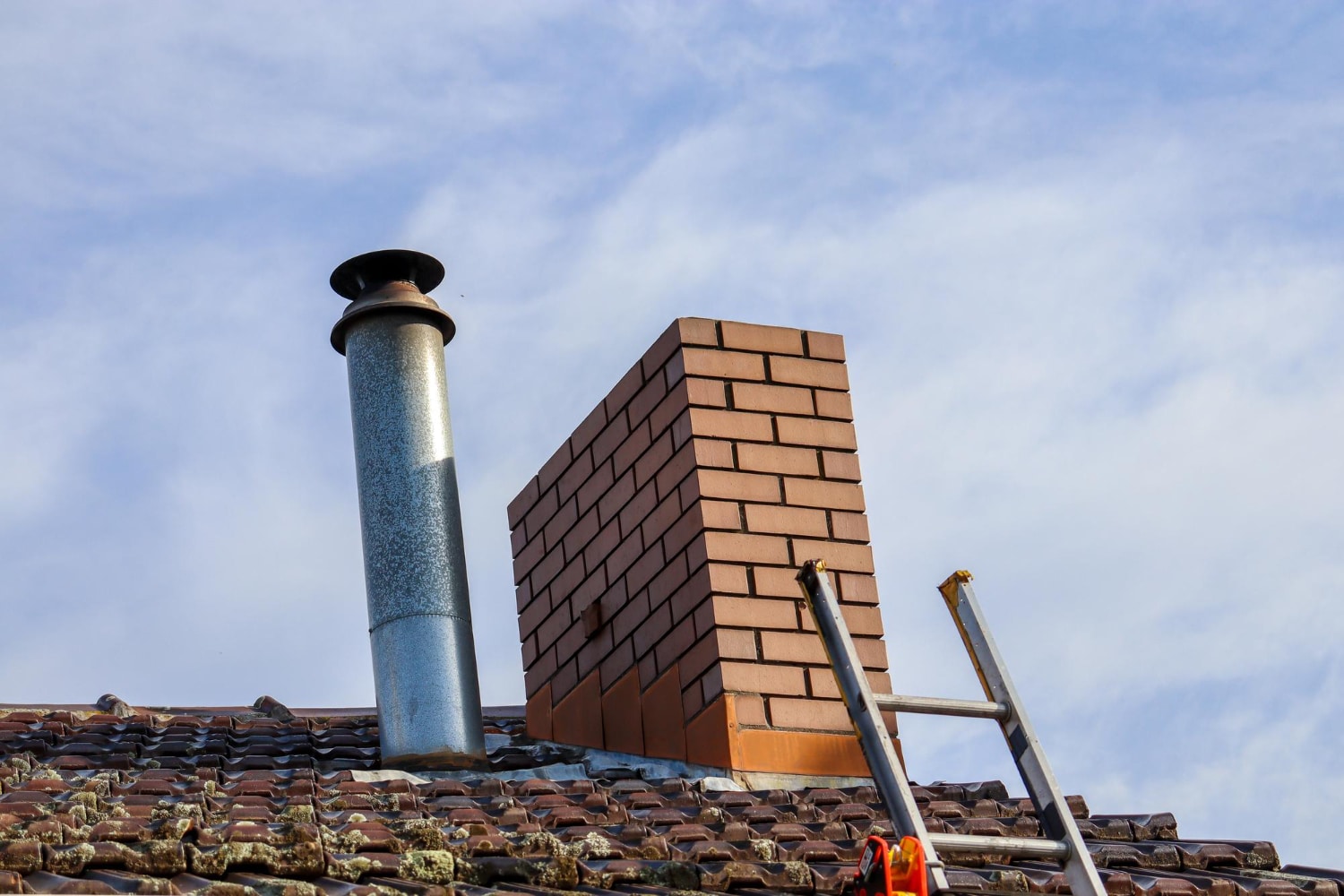
Minor surface sealant touch-ups might be manageable for a skilled homeowner, but full flashing repairs require roofing integration knowledge and safe roof access. Proper installation involves removing shingles, weaving step flashing with each course, and cutting a reglet into mortar for counterflashing. Mistakes often trap water behind metal rather than diverting it away. We’ve seen DIY attempts rely heavily on roofing cement, which cracks under Dallas heat and leads to recurring leaks. If the repair involves metal replacement, masonry cutting, or structural decking inspection, professional service is typically the safer and more durable option.
What are the warning signs of failing chimney flashing?
Early warning signs include ceiling stains near the chimney, damp insulation in the attic, rusted flashing edges, or cracked sealant along mortar joints. On the roof, you may notice lifted shingles or visible gaps between metal and masonry. In Dallas, rapid temperature swings can cause expansion and contraction that loosens improperly installed counterflashing. Regular roof inspections after major storms help catch small separations before they become interior leaks. Addressing these symptoms quickly can prevent rot in roof decking and framing, which significantly increases repair costs.
Why is chimney flashing a common issue in Dallas homes?
Dallas experiences intense sun exposure, heavy rain events, and occasional hail. UV radiation breaks down sealants, while thermal movement stresses metal joints. Many older homes also have mortar joints that deteriorate over time, weakening the counterflashing seal. We often find flashing systems that were installed during prior roof replacements without properly integrating new shingles and step flashing. Combined weather stress and installation shortcuts make flashing a frequent source of leaks in the area. Routine inspections help identify separation or corrosion before structural damage develops.
What should I look for when hiring a professional for flashing repair?
Look for a company that understands both roofing integration and chimney masonry. Contractors should carry proper insurance and be familiar with International Residential Code flashing requirements. Ask whether they remove shingles to install step flashing correctly and whether they cut a reglet into mortar for counterflashing. Written scopes of work should detail material type, gauge thickness, and sealant used. Vague proposals that mention only “resealing” without metal replacement often indicate temporary fixes rather than lasting repairs.
When should I schedule chimney flashing repair?
Schedule service when you notice water stains near the chimney, loose metal flashing, or after significant storm activity. While flashing issues are not typically emergency situations, prolonged water intrusion can lead to mold growth and wood rot. If active dripping occurs during rain, placing a temporary container in the attic and protecting interior surfaces can limit damage until service is scheduled. Prompt evaluation prevents small separations from turning into structural repairs, which are far more costly and time-consuming to correct.
Our mission is to save lives by providing superior service at reasonable prices.
Chimney repair is one of our main services.
We also offer a free home fire safety check at every service appointment.
Chimney repair is one of our main services.
We also offer a free home fire safety check at every service appointment.
Information
Service Areas
- Dallas
- Plano
- Carrollton
- Irving
- McKinney
- Frisco
- Allen
- Garland
- Richardson
- Addison
- Arlington
© 2024 – 2025 | All Rights reserved by The Chimney Inspection & Sweep
Powered By Rank First Labs