
Chimney Brick Repair Cost in Dallas (2026 Guide)
June 23, 2026
- By
- The One Chimney Sweep
- Chimney Repair Specialists
Looking for a clear breakdown of Chimney Brick Repair Cost in Dallas (2026 Guide)? This checklist-style guide is for homeowners who want realistic numbers, clear repair steps, and a way to avoid overpaying. At The One Chimney Sweep, we’ve been helping Dallas homeowners understand chimney brick repair cost in Dallas for years of experience, and we’ve noticed the same questions come up every season. Small cracks and loose mortar joints often look harmless. One Dallas homeowner delayed repairs for a year, only to discover water had penetrated behind the brick veneer and rotted framing around the chase. What started as minor mortar repair turned into structural carpentry and interior drywall replacement. Understanding cost early helps you prevent that chain reaction.
What Professional Work Should Always Include
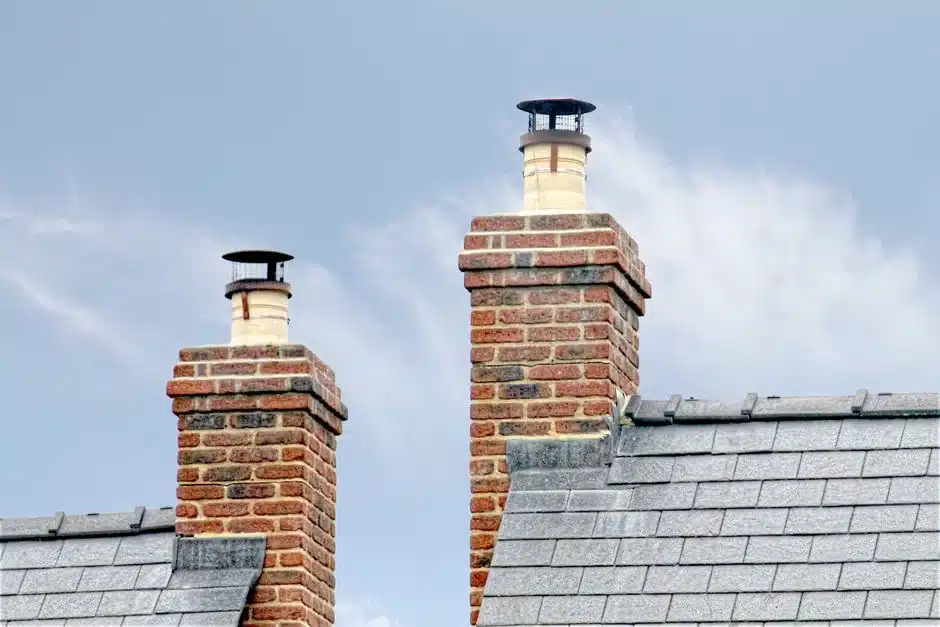
Proper chimney brick repair protects structural integrity and fire safety. The most important best practices involve correct mortar selection, moisture management, and code compliance. Shortcuts in any of these areas increase long-term costs. A professional repair should include:
- Mortar matching: We match mortar type and compressive strength. For most Dallas homes, Type N mortar is appropriate for above-grade chimney stacks. Using Type S where unnecessary can create rigid joints that damage softer brick.
- Proper joint preparation: Mortar joints must be ground to a minimum depth of 3/4 inch or twice the joint width before repointing. Surface smearing is not acceptable.
- Moisture control: Flashing must be correctly lapped and sealed. We use high-temperature silicone sealant at counter flashing transitions.
- Crown slope and drip edge: IRC Section R1003 requires a chimney crown with a slope to shed water. We ensure a drip edge overhang of at least 2 inches to direct water away from brick faces.
- Expansion gap at flue tile: A bond break between crown and flue liner prevents cracking as materials expand.

Realistic Price Ranges and What Drives Them
Chimney brick repair costs vary widely depending on scope. Minor tuckpointing might be straightforward, while full rebuilds involve scaffolding and structural correction. In our experience, typical ranges in Dallas may look like this:
- Minor mortar joint repairs: $350 – $900
- Partial tuckpointing (multiple elevations): $900 – $2,500
- Brick replacement (10 – 40 bricks): $800 – $2,000
- Chimney crown repair or resurfacing: $600 – $1,800
- Partial rebuild above roofline: $3,500 – $8,000+
- Site complexity: Steep roof pitch or limited access may require scaffolding.
- Material costs: Matching older brick can increase sourcing expenses.
- Total scope: Structural shifting or hidden water damage expands the project.
Schedule a Professional Chimney Evaluation
If you’re concerned about cracking mortar, loose bricks, or rising repair costs, we recommend scheduling a professional inspection before minor damage becomes structural. Our team evaluates brick condition, mortar integrity, crown performance, and flashing details so you understand exactly what needs attention. We provide clear findings, photo documentation, and realistic repair options tailored to Dallas homes. Whether the solution is simple tuckpointing or a partial rebuild, we focus on long-term durability and code compliance. Addressing problems early protects your home from moisture intrusion, interior damage, and escalating expenses. Book a detailed chimney assessment and get clarity on next steps before small cracks turn into major repairs.

FAQs
What causes chimney brick damage in Dallas homes?
In Dallas, moisture is the primary driver of chimney brick damage. Even without harsh winters, brick absorbs rainwater through porous mortar joints. When temperatures fluctuate, minor expansion and contraction cycles gradually weaken masonry. Over time, this leads to spalling, cracking, and loose mortar. Improper flashing is another common cause. When step flashing or counter flashing fails, water seeps behind brick and accelerates deterioration. We often find rusted flashing or improperly sealed joints where water has been entering for years. Soil movement also affects chimneys. Dallas has expansive clay soils that shift during wet and dry periods. That movement can stress chimney stacks and create vertical cracking. Finally, neglect plays a role. Without routine inspections, small mortar gaps widen and allow deeper water penetration. Regular maintenance and proper waterproofing – after repairs, not before – help prevent these issues from escalating into structural damage.
Is tuckpointing the same as full chimney rebuild?
No, tuckpointing and rebuilding address very different levels of damage. Tuckpointing involves grinding out deteriorated mortar joints and replacing them with new, properly matched mortar. It restores structural stability and improves water resistance when bricks are still sound. A full or partial rebuild becomes necessary when bricks are extensively cracked, leaning, or structurally compromised. In those cases, we dismantle the affected section – often above the roofline – and reconstruct it with new brick, fresh mortar, and updated flashing. In our experience, many Dallas chimneys qualify for tuckpointing rather than rebuilding when addressed early. Waiting too long allows water intrusion to weaken the masonry core. A professional inspection determines which approach is appropriate based on joint depth, brick integrity, and structural alignment.
How much does chimney brick repair typically cost in Dallas?
Chimney brick repair in Dallas may range from a few hundred dollars for minor mortar patching to several thousand for structural rebuilding. Small tuckpointing jobs typically start around $350 and can climb past $2,500 depending on access and scope. Partial rebuilds often fall between $3,500 and $8,000 or more. Costs fluctuate based on:
- Site complexity, including roof pitch and accessibility
- Material costs, especially when matching older brick
- Total scope of work, including hidden structural or moisture damage
Can homeowners repair chimney bricks themselves?
Minor cosmetic mortar touch-ups at ground level may be manageable for experienced homeowners, but most chimney brick repairs occur above the roofline. Working at height introduces fall risks, and improper mortar selection can cause long-term damage. We’ve seen DIY repairs where high-strength mortar was used on older, softer brick. Because the mortar was harder than the brick, natural expansion forced the brick faces to crack. Correct mortar matching requires understanding compressive strength ratings and compatibility. Roof access, flashing integration, and crown sealing also demand proper tools such as angle grinders with diamond blades, masonry jointers, and safety harness systems. For structural cracks, leaning stacks, or widespread spalling, professional repair is the safer and more durable option.
What are early warning signs that brick repair is needed?
Early warning signs include cracked or missing mortar, white powdery residue (efflorescence), spalling brick surfaces, and small brick fragments near the base of the chimney. Rust stains around flashing or ceiling water spots near the fireplace also indicate moisture intrusion. Homeowners should look for gaps deeper than 1/4 to 3/8 inch in mortar joints. When joints reach that depth, water penetration accelerates. Another sign is a cracked chimney crown, which allows water to run directly into masonry below. Annual visual checks from the ground help, but professional inspections with cameras and moisture meters provide a more complete assessment. Addressing small defects early typically reduces overall repair costs and prevents interior structural damage.
Are chimney issues in Dallas different from colder climates?
Yes, Dallas chimneys face different stress patterns than those in northern states. While freeze-thaw cycles are less severe, heavy rain and humidity create ongoing moisture exposure. Combined with intense summer heat, expansion and contraction still occur. Expansive clay soil in Dallas can also shift foundations and chimney structures. We frequently observe vertical cracking related to soil movement rather than freezing. Because winters are milder, some homeowners overlook inspections, assuming damage is unlikely. In reality, chronic moisture infiltration causes gradual deterioration. Regular evaluation and proper flashing maintenance are especially important in this region to manage water exposure effectively.
What should I look for when hiring a chimney repair contractor?
Start by confirming the contractor understands NFPA 211 standards and the International Residential Code requirements for masonry chimneys. Ask whether they perform Level 2 inspections when structural damage is suspected. Verify insurance coverage and request photo documentation of previous masonry projects. Skilled contractors explain mortar selection, joint preparation depth, and flashing integration rather than offering vague patch solutions. Clear written estimates should detail scope, materials, and timeline. Be cautious if someone proposes sealing brick without addressing deteriorated mortar or flashing. Comprehensive evaluation and transparent communication indicate professional workmanship.
When is chimney brick repair urgent?
Chimney brick repair becomes urgent when you notice leaning masonry, large vertical cracks, loose bricks, or interior water leaks near the fireplace. These signs suggest structural compromise or active moisture intrusion. If you see bricks falling or sections separating, avoid using the fireplace until the chimney is inspected. Water entering through open joints can also damage attic framing and insulation. While most brick repairs are not emergency situations, delaying visible structural movement can increase costs. Schedule a professional inspection promptly when significant cracking or instability appears. Early intervention typically limits repair scope and protects both safety and property value.
Our mission is to save lives by providing superior service at reasonable prices.
Chimney repair is one of our main services.
We also offer a free home fire safety check at every service appointment.
Chimney repair is one of our main services.
We also offer a free home fire safety check at every service appointment.
Information
Service Areas
- Dallas
- Plano
- Carrollton
- Irving
- McKinney
- Frisco
- Allen
- Garland
- Richardson
- Addison
- Arlington
© 2024 – 2025 | All Rights reserved by The Chimney Inspection & Sweep
Powered By Rank First Labs