
Chimney Tuckpointing Cost in Plano (2026 Guide): What Homeowners Should Expect
June 1, 2026
- By
- The One Chimney Sweep
- Professional Chimney & Masonry Specialists
What should you budget for masonry repairs this year? At The One Chimney Sweep, we’ve been helping homeowners understand chimney tuckpointing cost in Plano (2026 Guide) decisions for years of experience, and we’ve seen how confusing estimates can be. This guide walks you through what affects pricing, what quality work looks like, and how to avoid paying twice for the same repair. In Plano neighborhoods with brick veneer homes, we often find mortar joints deteriorating long before owners expect it. For a broader look at chimney care, visit our chimney repair in Plano resource. Ignoring mortar damage can double or triple repair costs. We recently inspected a chimney where small cracks were left untreated; within two seasons, water intrusion caused spalling bricks and interior drywall staining, turning a modest tuckpointing project into a partial rebuild.
How to Compare Tuckpointing Options with Confidence
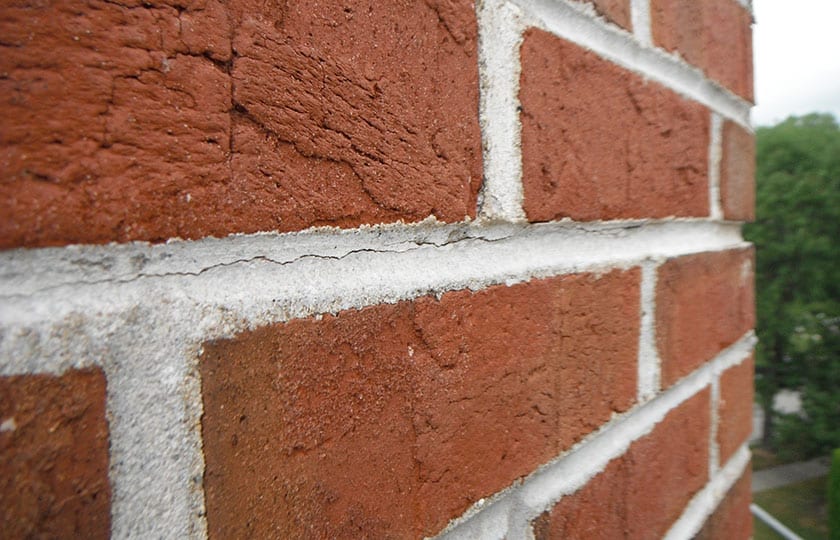
Quality tuckpointing follows a clear process and meets recognized masonry standards. The difference between a lasting repair and a temporary patch often comes down to preparation and material compatibility. Before choosing a contractor, understand what excellent service includes. A professional approach should involve:
- Mechanical grinding of joints to proper depth (not surface smearing).
- Color and mortar-type matching to existing masonry.
- Protection of surrounding brick using dust shrouds and drop cloths.
- Controlled curing time to prevent rapid moisture loss and cracking.
- A written scope outlining linear footage and joint depth.
Questions to Ask and Realistic 2026 Cost Ranges
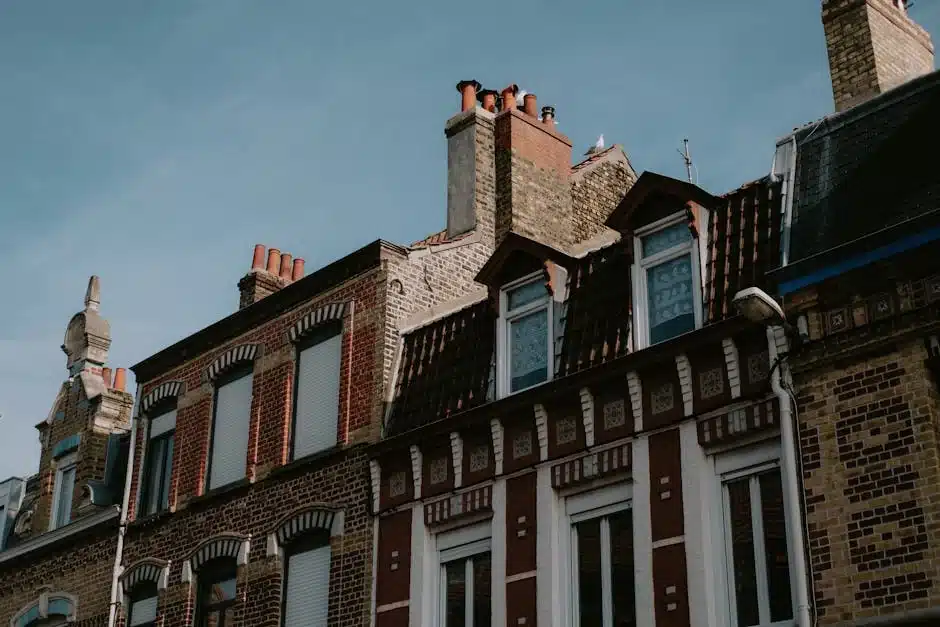
Understanding cost starts with knowing the scope. Tuckpointing pricing in Plano typically depends on linear footage of joints, height and roof access, and the extent of deterioration. We advise homeowners to ask specific questions before approving a proposal:
- How deep will you grind the mortar joints?
- What mortar type will you use and why?
- Will you address flashing or crown cracks at the same time?
- How will you protect landscaping and roofing materials?
- Site complexity and roof pitch.
- Material costs and mortar matching requirements.
- Total scope, including brick replacement or crown repair.
Get Clear Answers Before You Commit
Tuckpointing decisions affect more than appearance – they protect your chimney’s structure and your home’s interior from moisture damage. We provide detailed evaluations, clear scopes of work, and realistic pricing so you understand exactly what your project involves before moving forward. Our team reviews mortar compatibility, structural stability, and related components such as flashing and chimney crowns to prevent repeat repairs. If you’re weighing estimates or unsure whether your chimney needs minor joint repair or a larger rebuild, we can help you compare options with confidence. Schedule a professional assessment and make an informed decision based on long-term performance, not guesswork.
FAQs
How do I know if my chimney needs tuckpointing in Plano?
Look for mortar joints that are cracked, crumbling, or recessed more than 1/4 inch from the brick face. You may also see white powdery residue (efflorescence), loose bricks, or small pieces of mortar collecting at the base of the chimney. Inside the home, water stains near the fireplace can signal moisture entering through failed joints. In Plano, seasonal temperature swings and heavy rain accelerate mortar breakdown. Clay soil movement can also stress masonry, causing hairline cracks to widen over time. We recommend annual chimney inspections aligned with NFPA 211 standards to catch early deterioration. During an inspection, we check joint depth, probe mortar integrity with a masonry tool, and examine flashing and crown conditions. Early tuckpointing is significantly less invasive and less expensive than waiting until bricks loosen or interior damage appears.
What makes tuckpointing different from a full chimney rebuild?
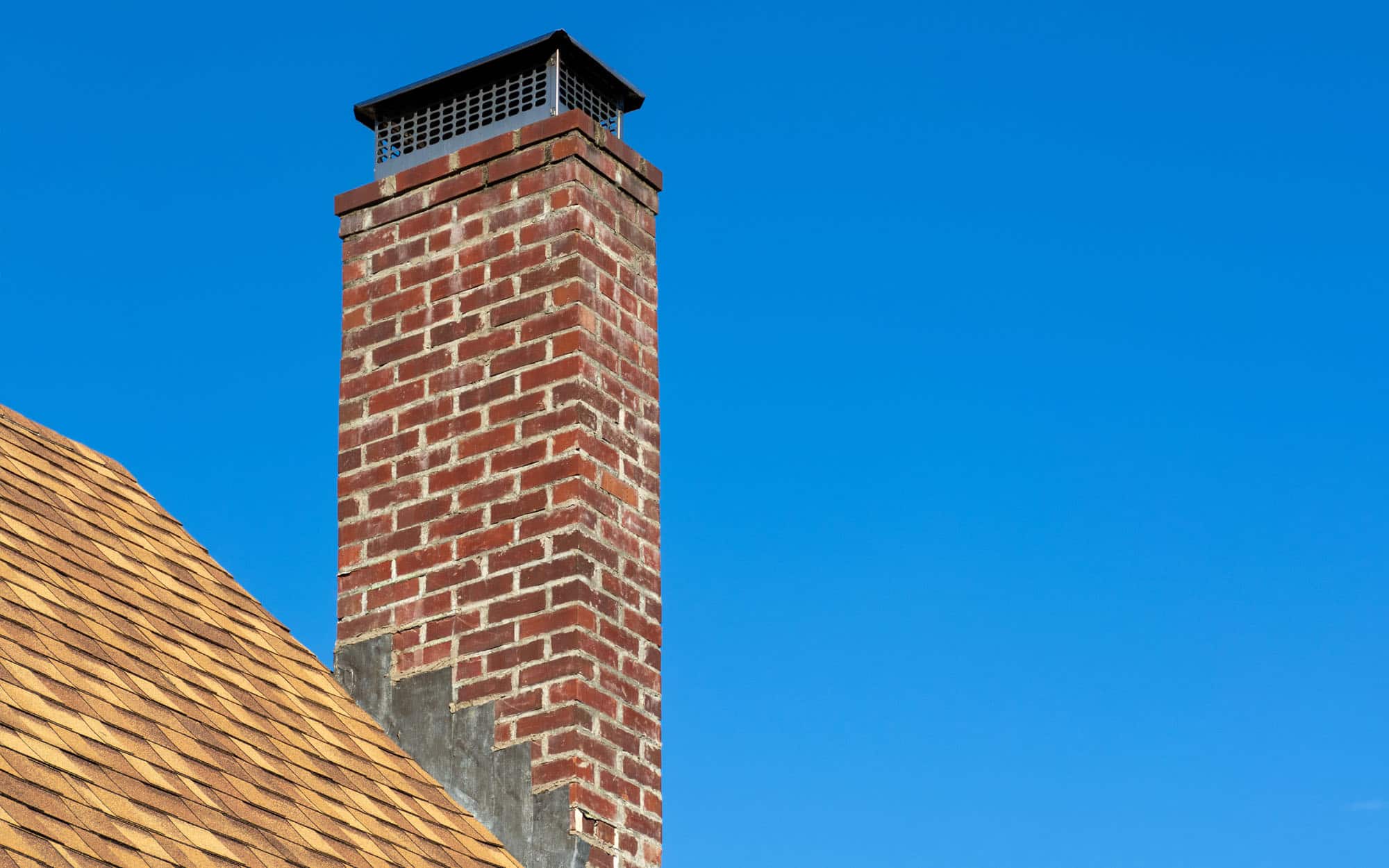
Tuckpointing focuses on removing and replacing deteriorated mortar joints while preserving existing bricks. A full rebuild involves dismantling and reconstructing part or all of the chimney structure, typically because bricks have spalled, shifted, or lost structural integrity. When mortar fails but bricks remain sound, tuckpointing restores weather resistance and structural stability at a lower cost and shorter timeline. If bricks crack deeply, faces shear off, or internal wythes separate, rebuilding becomes necessary to maintain safety and proper venting. We determine the difference during inspection by testing brick hardness, checking alignment with a level, and examining interior flue liners. In many Plano homes, timely tuckpointing prevents the need for a rebuild. Delaying repairs allows moisture to reach inner masonry layers, increasing labor, material, and scaffolding requirements.
How much does chimney tuckpointing typically cost in Plano in 2026?
Chimney tuckpointing costs in Plano in 2026 may range from $800 to $2,500 for limited joint repair on accessible, single-story chimneys. More complex projects involving extensive grinding, tall roof access, or partial brick replacement might range from $3,000 to $6,500 or more. Pricing can fluctuate based on:
- Site complexity, including roof pitch and scaffold requirements.
- Material costs, especially when custom mortar color matching is required.
- Total scope, such as replacing damaged bricks or repairing the crown and flashing.
Can I handle chimney tuckpointing as a DIY project?
Small cosmetic mortar touch-ups at ground level may be manageable for experienced homeowners using proper safety gear and masonry tools. However, full-depth tuckpointing on a roof-level chimney involves fall risks, silica dust exposure, and precise mortar matching. Proper repairs require grinding joints to consistent depth, cleaning with compressed air, and packing mortar tightly without smearing brick faces. Inadequate depth or incorrect mortar strength can cause premature failure. Many Plano homes have steep rooflines that make ladder positioning hazardous without professional stabilization. We’ve inspected DIY attempts where surface mortar was applied without grinding; within a year, the patch separated and trapped water behind it. When safety, structural integrity, or warranty concerns are involved, professional evaluation is strongly recommended to avoid greater repair costs later.
What maintenance helps extend the life of tuckpointing?
Annual inspections and prompt minor repairs significantly extend mortar life. Keep gutters clean so water does not cascade down chimney sides. Trim overhanging branches that trap moisture against masonry. Check the chimney crown for cracks and ensure flashing remains sealed at roof intersections. Avoid applying waterproof coatings unless recommended after professional evaluation. Some sealers can trap moisture inside brick if the chimney lacks proper vapor permeability. When appropriate, breathable silane or siloxane-based water repellents may be used according to manufacturer guidelines. In Plano’s climate, periodic heavy rainfall can saturate masonry. Ensuring proper drainage and ventilation reduces stress on mortar joints. Addressing small cracks early prevents deeper penetration that leads to brick damage and higher costs.
Are there common chimney masonry issues specific to Plano?
Yes. Plano’s expansive clay soil can shift foundations slightly, transferring stress to chimney structures. This movement often appears as stepped cracks in mortar joints. Seasonal heat and sudden cold snaps also contribute to expansion and contraction cycles that weaken older mortar. We frequently see water-related damage from intense rainstorms. When flashing or crowns fail, moisture saturates joints and accelerates deterioration. Homes built with brick veneer chimneys may experience mortar separation where framing movement interacts with masonry. Routine inspections and early tuckpointing help offset these local stressors. Addressing soil drainage issues and maintaining proper roof runoff control also reduces long-term masonry strain.
What should I look for when hiring a chimney tuckpointing professional?
Choose a contractor experienced specifically in chimney masonry, not just general brickwork. Ask about compliance with NFPA 211 inspection standards and whether they follow Masonry Contractors Association of America guidelines for repointing depth and mortar compatibility. Verify liability insurance and worker coverage. Request a written scope detailing joint depth, mortar type, estimated linear footage, and cleanup procedures. A reputable professional should explain why a specific mortar mix is appropriate for your chimney’s age and brick composition. Review before-and-after photos of similar projects and confirm that roof and landscaping protection are included. Clear communication about timelines, curing, and follow-up inspection demonstrates professional oversight and reduces the likelihood of repeat repairs.
When is chimney mortar damage considered urgent?
Mortar damage becomes urgent when bricks loosen, sections lean, or water intrusion causes interior staining near the fireplace. Visible gaps larger than 1/4 inch, falling mortar pieces, or rusting damper components may signal advanced deterioration. While tuckpointing itself is not typically an emergency service, delaying evaluation when structural instability appears can increase risk. Moisture entering the chimney system can affect flue liners and surrounding framing. If you notice significant cracking or loose bricks, avoid using the fireplace until a professional inspection confirms safe operation. Schedule a timely assessment to prevent escalation into partial rebuilds or interior water damage. Early action keeps repairs manageable and protects long-term chimney performance.

Our mission is to save lives by providing superior service at reasonable prices.
Chimney repair is one of our main services.
We also offer a free home fire safety check at every service appointment.
Chimney repair is one of our main services.
We also offer a free home fire safety check at every service appointment.
Information
Service Areas
- Dallas
- Plano
- Carrollton
- Irving
- McKinney
- Frisco
- Allen
- Garland
- Richardson
- Addison
- Arlington
© 2024 – 2025 | All Rights reserved by The Chimney Inspection & Sweep
Powered By Rank First Labs