Comprehensive Chimney Inspection Services for a Safer Home
March 20, 2026
- By
- The Chimney Inspection & Sweep
- Certified Chimney Professionals
Many homeowners assume that a chimney only needs attention when it stops drafting properly or when smoke backs up into the living room. At The Chimney Inspection & Sweep, our team has seen how that misconception can lead to serious fire hazards. With years of experience performing chimney inspection services, we’ve found that the smallest cracks or buildup can compromise both safety and efficiency. Routine inspections play a key role in preventing costly problems. Explore our professional chimney evaluation services to understand how proactive care extends the lifespan of your system. We once inspected a home where the owner delayed service, believing their stainless-steel liner “never needed cleaning.” The inspection revealed creosote accumulation thick enough to ignite if temperatures spiked. That project reminded us how quickly a small oversight can threaten structural integrity and insurance coverage. Misconceptions about chimney maintenance are common – and riskier than most realize.
Understanding industry standards and inspection best practices.
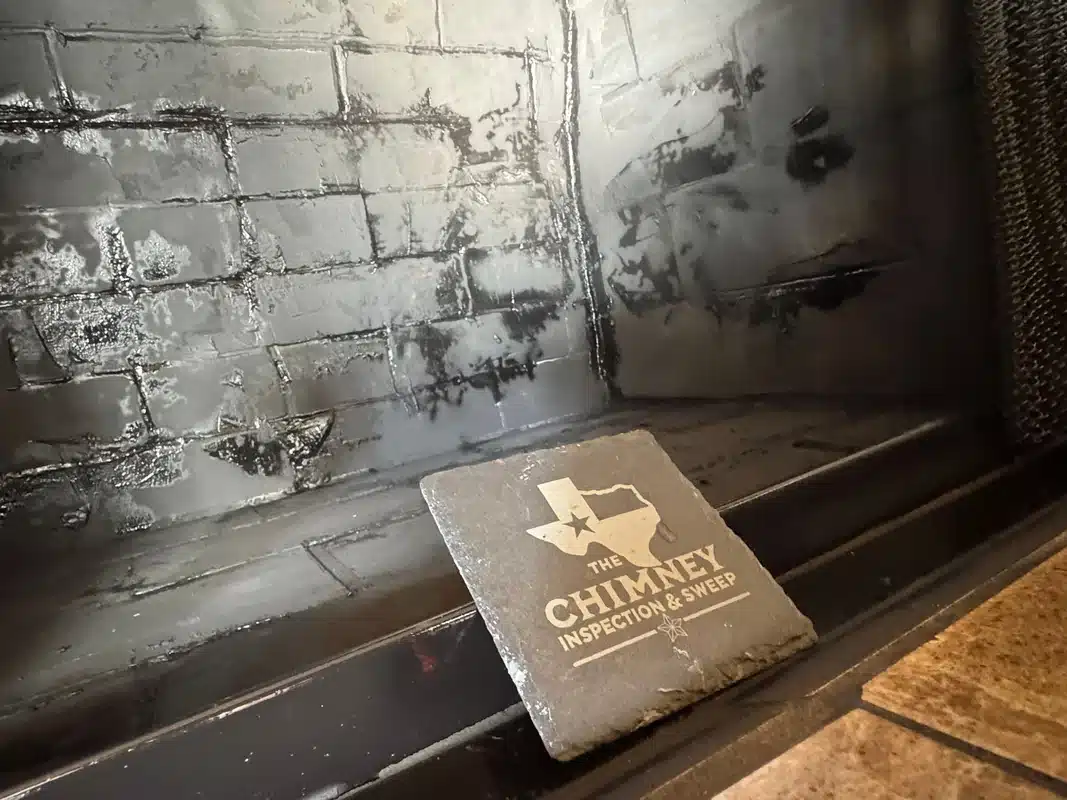
Professional chimney inspections serve two purposes: ensuring combustion safety and verifying compliance with building and fire codes. The best practices we follow integrate both national standards and manufacturer guidelines. An inspection typically begins with a Level 1 or 2 process as described by the NFPA – visual assessment, video scanning, and verification of venting integrity. For flue systems attached to fireplaces, wood stoves, or gas inserts, we check compliance with clearance-to-combustibles requirements and proper termination height to achieve correct draft. The most relevant guidelines for chimney inspection include:
- NFPA 211: Standard for Chimneys, Fireplaces, Vents, and Solid-Fuel-Burning Appliances (2025) – Requires annual inspections and specifies construction, clearance, and maintenance standards. Consequences of non-compliance: chimney fires, failed insurance claims, or denied occupancy certification.
- International Building Code (2025 Edition, Section 2111) – Outlines materials, flue sizing, and termination height rules. Non-compliance can lead to inspection failure, structural hazards, and penalties for unsafe installations.
Timing, cost expectations, and professional guidance.
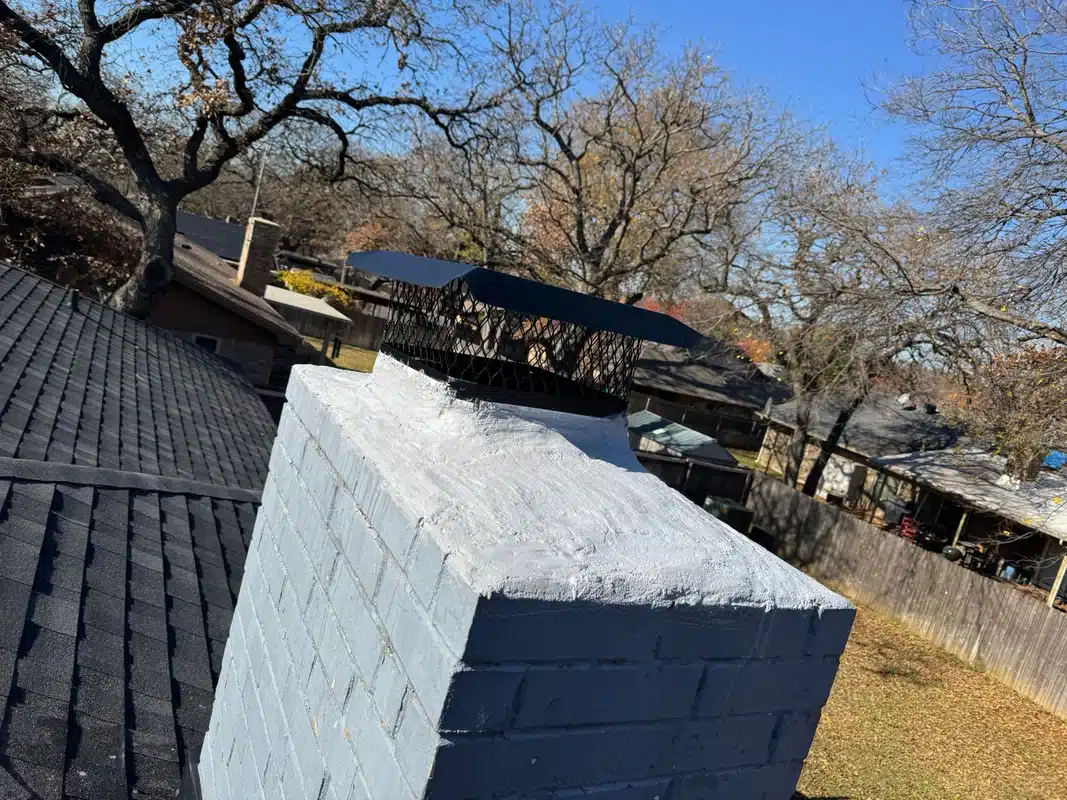
A professional chimney inspection isn’t just about checking off a safety box – it’s about identifying invisible hazards before they escalate. We recommend scheduling inspections annually or after any event that might affect your chimney structure, such as severe storms or renovations involving roof work. In our experience, one customer ignored minor staining around their firebox for several seasons. When we finally performed an examination, moisture intrusion had corroded the damper and weakened the masonry jointing, doubling their eventual repair cost. Inspection costs may range from low to mid-hundreds depending on several factors:
- Accessibility and height of the chimney
- Type of inspection (Level 1 visual vs. Level 2 video scan)
- Extent of any visible deterioration or prior maintenance
Schedule a Professional Chimney Safety Check
A properly inspected chimney protects your home, your loved ones, and your investment. At The Chimney Inspection & Sweep, our certified professionals are trained to detect issues before they become costly or dangerous. Every inspection follows strict CSIA and NFPA standards for complete accuracy and peace of mind. We check for cracked flue liners, damaged masonry, smoke leaks, and moisture intrusion that can lead to serious structural or fire risks. Our honest, detailed reports highlight what needs attention and provide straightforward options for repair or maintenance. Do not wait until smoke, odors, or debris signal a bigger problem. Protect your comfort and safety by scheduling your thorough chimney inspection today. Your home deserves professional care now.
FAQs
How often should I have my chimney inspected?
It is strongly recommended to schedule a professional chimney inspection at least once every year, preferably before the colder months arrive and you begin to rely on your fireplace for warmth. This proactive approach allows a trained technician to identify early signs of damage, blockages, or buildup before they lead to hazardous or expensive problems. The NFPA 211 standard specifically advises annual inspections because even normal fireplace use can cause creosote, soot, or structural wear to accumulate gradually. These issues often go unnoticed until airflow becomes restricted or a chimney fire occurs. If you frequently use your fireplace or burn softer woods that produce more residue, consider arranging an additional mid-season inspection. Inspections are also essential after severe weather events, chimney repairs, or major roofing projects. Maintaining thorough inspection records helps preserve safety, compliance, and insurance coverage.
What’s included in a professional chimney inspection?
A professional chimney inspection provides a detailed assessment of every accessible part of the system, including the flue liner, smoke chamber, damper, crown, flashing, and exterior masonry. During the process, our certified technicians use high-resolution rotary camera systems to record interior surfaces, measure creosote buildup, and identify cracks, gaps, or mortar damage that may not be visible from the outside. Depending on the level of inspection requested, our team will also evaluate appliance connections such as stoves or fireplace inserts, confirming that proper clearances to combustible materials are maintained. Inspectors carefully document findings, compare them to current safety codes, and explain any conditions requiring attention or repair. This methodical approach helps homeowners understand the state of their chimney system while reducing the risk of hidden hazards, smoke leakage, or potential fire-related issues.
How much does a chimney inspection cost?
Professional chimney inspection costs typically range from $100 to $500, but the final price depends on several important variables that affect both time and complexity. Common factors include the difficulty of roof access, the type of materials used in the chimney, and the specific design of the flue system. For example, older masonry chimneys often require more time and care than modern metal flues, which can increase labor expenses. The type of inspection also plays a major role in pricing. A Level 1 inspection, which focuses on visual assessment and general condition checks, usually falls at the lower end of the range. In contrast, a Level 2 inspection that includes video scanning, documentation, or preparation for a real estate transaction can cost significantly more. Regional labor rates, equipment needs, and optional services such as cleaning or drafting evaluation can further influence the overall cost. These numbers are intended solely as general estimates and should not be interpreted as guaranteed pricing. Homeowners should always schedule an on-site evaluation with a certified professional to obtain an accurate, detailed proposal customized for the property’s specific conditions and maintenance history.
Can I inspect my chimney myself?
While homeowners can visually check their chimney for surface problems such as cracked bricks, missing mortar, or a rusted cap, a comprehensive chimney inspection involves far more detailed procedures that only trained specialists can perform. Certified chimney technicians use specialized cameras, flue gauges, and bright inspection lights to look deep within the chimney structure. These tools help them locate hidden hazards like internal blockages, deteriorated liners, and leaks that might allow smoke or dangerous gases to escape into the living space. Untrained individuals and general home inspections often overlook crucial issues such as gas leaks, loose flue joints, or water infiltration behind the masonry that can cause long-term damage. DIY evaluations also lack the official documentation many insurance companies or municipal building departments require. For complete peace of mind and verified safety, homeowners should rely on a certified professional for yearly inspections.
What are the signs that my chimney needs an inspection?
Common red flags that suggest chimney trouble include continuous smoke backup into the room, unusual or persistent odors, crumbling mortar, or visible debris falling into the fireplace. White staining known as efflorescence often indicates excess moisture seeping through masonry surfaces, while damp patches on walls or the chimney exterior point to leaks or poor ventilation. Rusted damper controls, cracked bricks, and a deteriorated chimney cap also signal structural instability that should never be ignored. If birds or small animals begin nesting in the flue, airflow may be restricted and carbon monoxide buildup could become a risk. Delays in draft pull when lighting fires are another sign of blocked passageways or pressure problems. Prompt professional inspection allows early repairs that prevent costly damage, improve heating efficiency, and extend the chimney’s safe operational lifespan.
What are the most common chimney problems discovered during inspections?
Common chimney problems often identified during inspections include creosote buildup, cracked liners, deteriorating mortar joints, damaged crown seals, and faulty flashing around the chimney base. Creosote – a dense and highly flammable residue that forms from incomplete combustion – poses one of the most serious fire risks, since it can ignite at temperatures exceeding 1000°F. Cracked crowns, missing mortar, or compromised flashing frequently allow water to seep into the masonry, leading to structural weakening, spalling bricks, and internal corrosion of metal components. These moisture problems can go unnoticed until damage becomes extensive. Additionally, obstructions such as bird or squirrel nests, leaves, or broken flue tiles can restrict airflow, creating inefficient drafts and poor smoke ventilation. Timely maintenance and proper repairs following an inspection help preserve chimney integrity, reduce fire hazards, and ensure compliance with NFPA 211 and local safety codes, keeping homes safe and heating systems efficient.
What should I look for when hiring a chimney professional?
Always hire professionals who hold current certification from the Chimney Safety Institute of America (CSIA) or a comparable nationally recognized organization. Before scheduling any work, confirm that the company maintains valid liability insurance and workers’ compensation coverage to protect you from potential accidents or damages. A reliable chimney service provider should always give you a detailed written report including photographs, inspection notes, and clearly stated recommendations rather than ambiguous statements. Look for technicians who routinely pursue continuing education on NFPA standards, evolving safety codes, and manufacturer-specific service procedures. Their training should also include updates on modern venting systems and energy-efficient fireplace designs. Transparent communication, ethical business practices, and strict compliance with inspection levels established by NFPA 211 reflect true professionalism. Selecting certified experts strengthens safety, preserves your property investment, and helps maintain warranty protection.
Is chimney damage an emergency?
Most chimney issues, including small mortar cracks, chipped bricks, or light creosote buildup, are usually not immediate emergencies but should be checked without delay. A prompt inspection helps identify early warning signs and prevents minor deterioration from spreading into major structural weaknesses. If you ever notice smoke seeping into interior rooms, smell strong gas or burning odors, or see visible flames or sparks inside the flue, stop using your fireplace right away and open nearby windows to ventilate the area. Contact a certified chimney professional as soon as possible to inspect the system, locate the underlying problem, and recommend safe repair options. Do not light another fire until the inspection and necessary clearance have been fully completed. Even seemingly small or non-urgent chimney damage can worsen quickly with repeated use, leading to costly repairs and serious safety hazards.
Our mission is to save lives by providing superior service at reasonable prices.
Chimney repair is one of our main services.
We also offer a free home fire safety check at every service appointment.
Chimney repair is one of our main services.
We also offer a free home fire safety check at every service appointment.
Information
Service Areas
- Dallas
- Plano
- Carrollton
- Irving
- McKinney
- Frisco
- Allen
- Garland
- Richardson
- Addison
- Arlington
© 2024 – 2025 | All Rights reserved by The Chimney Inspection & Sweep
Powered By Rank First Labs