
Prefabricated vs. Masonry Chimney: Pros, Cons, and Cost Differences
March 9, 2026
- By
- The Chimney Inspection and Sweep
- Chimney Inspection and Fireplace Venting Specialists
Prefabricated chimneys typically cost less upfront and can be installed more quickly, making them an appealing option for homeowners working within a set budget or timeline. In contrast, masonry chimneys are known for their long-term durability, classic appearance, and ability to withstand decades of use when properly maintained. At The Chimney Inspection and Sweep, we have spent years helping homeowners compare these systems, and we have seen firsthand how the right choice depends on the home’s structure, financial plans, and long-term property goals. Many people are surprised to learn that chimney type influences maintenance frequency, repair costs, energy efficiency, and even insurance requirements. For example, we once worked with a homeowner who needed a full prefab chimney replacement after a chimney fire warped the inner stainless-steel liner, damage that routine inspections might have identified early. Whether you are building a new home or upgrading an aging system, understanding these differences begins with a professional chimney evaluation and a careful assessment of how each option performs over time.
A Practical Playbook for Homeowners
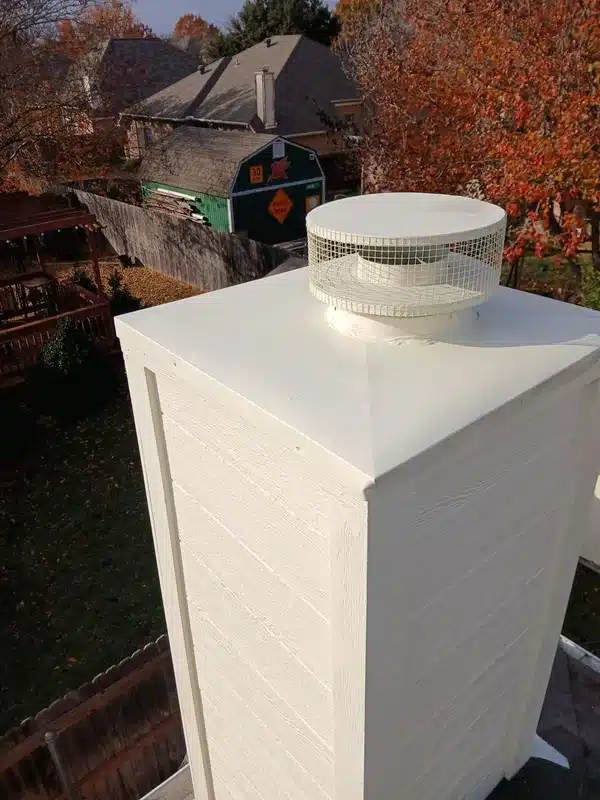
The right chimney system matches the appliance, structure, and long-term maintenance plan. Before choosing between prefab and masonry, we recommend confirming three fundamentals: appliance compatibility, structural support, and service access. Skipping these steps often leads to expensive retrofits. A practical evaluation checklist includes:
- Appliance type: Wood-burning fireplaces often pair well with masonry, while high-efficiency factory-built fireplaces require listed prefab chimney systems tested as a unit.
- Foundation capacity: Masonry chimneys require a dedicated footing. Retrofitting one into an existing home may involve structural engineering.
- Clearances to combustibles: Prefab chimneys require manufacturer-specified air space, typically 2 inches.
- Liner condition: Masonry systems should have intact clay tiles or a listed stainless-steel liner sized to the appliance’s flue collar.
- Maintenance access: Clean-out doors, attic access, and chase covers must allow annual servicing.
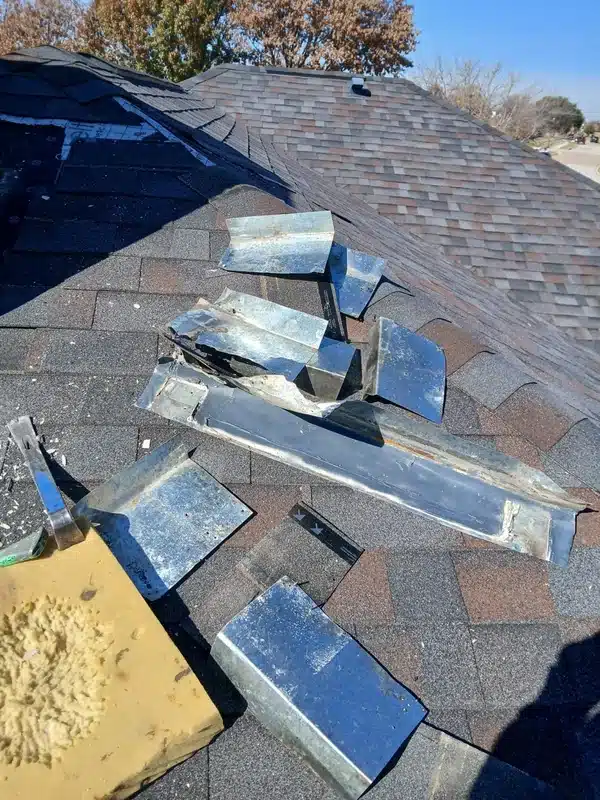
What Homeowners Often Overlook
The biggest mistake we see homeowners make is choosing based only on upfront cost instead of long term local value. In our area, climate, permitting requirements, and home styles all influence which chimney system delivers the best return. Prefabricated chimneys typically install in 1 – 2 days and may range from $3,000 to $8,000 depending on height and chase construction. Masonry chimneys can take 1 – 2 weeks due to footing, bricklaying, curing time, and liner installation, with costs often ranging from $10,000 to $30,000 or more. For many local homeowners, prefab systems offer faster turnaround, less disruption, and lower labor costs. This is especially beneficial during colder months when heating downtime needs to be minimal. Masonry chimneys, however, add long term curb appeal and can increase property value in neighborhoods where brick exteriors are common. Choosing the right system means balancing installation speed, durability, and how well the chimney complements nearby homes. Key cost factors include site complexity such as roof pitch and attic access, material selection including brick type or stainless steel liner grade, and total project scope like demolition or chase enclosure work. Maintenance also varies. Masonry may require tuckpointing and crown repair over time, while prefab systems often need chase cover replacement and periodic joint inspections. If relining becomes necessary, our guide to chimney relining explains stainless steel liner options and sizing requirements. These figures are preliminary benchmarks for informational purposes only. An on site evaluation ensures accurate pricing tailored to your home and local building conditions.
Not Sure Which Chimney Is Right for Your Home?
Choosing between a prefabricated and masonry chimney is not just a construction decision. It directly impacts your home’s safety, efficiency, resale value, and long term costs. At The Chimney Inspection and Sweep, we carefully evaluate structural condition, appliance compatibility, liner integrity, drafting performance, and code compliance before offering clear, honest recommendations. You will understand exactly what your system needs and why it matters. If you are planning a new installation, replacing a deteriorating chimney, or purchasing a home with an unknown setup, now is the time to act. Small issues can quickly become expensive repairs or serious safety hazards. A professional inspection today can prevent fire risks, carbon monoxide concerns, and future structural damage. Do not wait until a minor defect turns into a major expense. Contact The Chimney Inspection and Sweep now to schedule your detailed evaluation and written report. Protect your investment, your family, and your peace of mind with expert guidance you can trust.
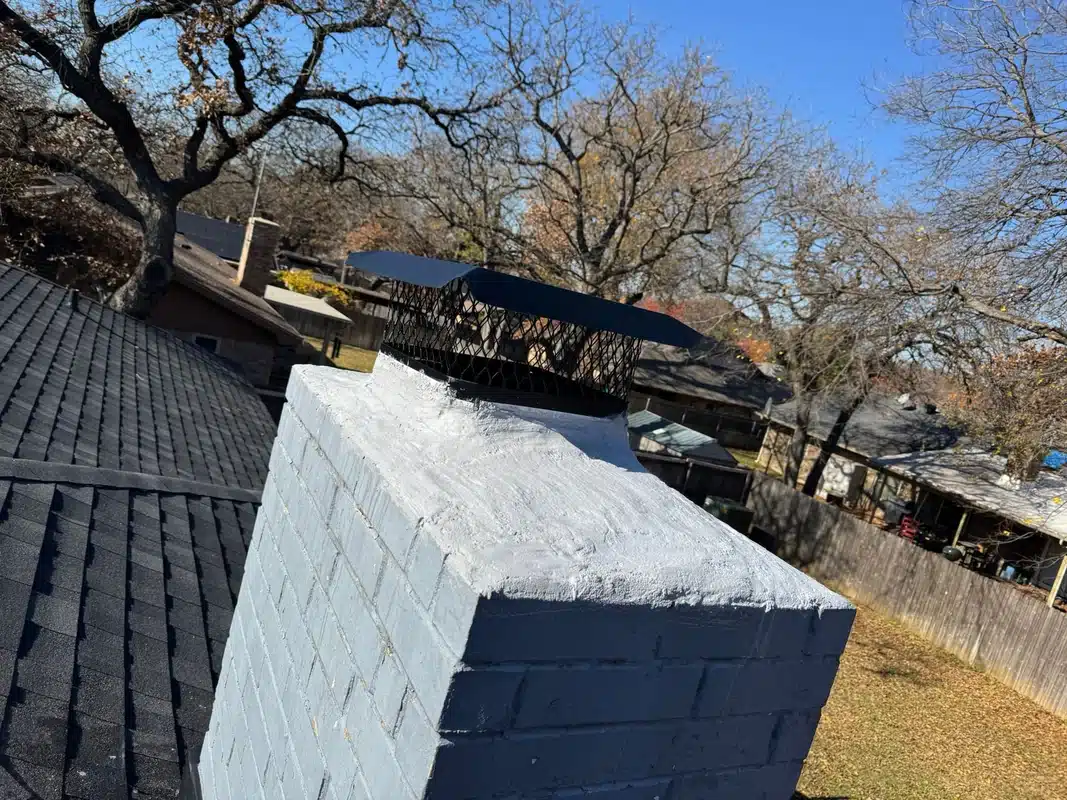
FAQs
Which lasts longer: prefabricated or masonry chimneys?
Masonry chimneys are known for their durability and can last several decades when they are properly constructed and consistently maintained. A well-built brick chimney that includes a solid concrete crown, properly installed flashing, and an intact clay tile liner can remain structurally sound for 50 years or more. However, long-term performance depends heavily on moisture management, routine inspections, and timely tuckpointing to address mortar joint deterioration. Water intrusion is the most common cause of masonry failure, leading to cracked bricks, spalling, and liner damage if not corrected early. Prefabricated chimneys, on the other hand, typically come with manufacturer-rated life expectancies ranging from 15 – 30 years, depending on usage patterns and environmental exposure. Their stainless-steel inner liners are designed to withstand high temperatures, but repeated chimney fires or corrosive byproducts from combustion can cause warping or rust over time. Unlike masonry systems, prefab units often require complete replacement once the inner wall or chimney pipe fails. Ultimately, lifespan is influenced not only by material type but also by proper installation in accordance with manufacturer guidelines and NFPA 211 standards, along with consistent maintenance throughout the life of the system.
Are prefabricated chimneys safe for wood-burning fireplaces?
Yes, prefabricated fireplaces and chimneys are safe when they are installed exactly according to the manufacturer instructions and remain part of a tested and listed system. Factory-built fireplaces and their matching chimney components are evaluated together under UL standards to ensure they function as a complete unit. If parts are mixed from different brands or altered in any way, that listing can be voided and the safety performance can no longer be guaranteed. Proper installation includes maintaining all required clearances, typically 2 inches from combustibles, and following the specified support and termination details. Long term safety also depends on routine maintenance. Annual inspections and cleanings help prevent creosote buildup, which can increase the risk of chimney fires. We often see systems perform reliably for many years when homeowners keep insulation, framing, and storage materials away from the chimney pipe. Problems usually develop when attic insulation is packed tightly against the chimney or when damaged sections are replaced with non matching parts. With strict compliance and regular professional oversight, a prefabricated chimney can safely vent a wood burning appliance.
How much does it cost to repair or replace each type?
Repair costs for chimney systems can vary significantly based on the type of structure, the extent of deterioration, and the materials required. For masonry chimneys, tuckpointing repairs commonly start between $1,000 and $3,000, depending on the amount of mortar joint restoration needed and overall surface area. If the chimney crown is cracked or deteriorated, a complete crown rebuild may range from $1,500 to $4,000. In more severe cases where structural integrity is compromised, a full masonry rebuild can range from $10,000 to $30,000 or more, influenced by chimney height, brick selection, and reinforcement requirements. For prefabricated or factory built chimney systems, replacing a damaged section may cost between $1,500 and $5,000. A complete system replacement, including venting components, can range from $3,000 to $8,000 or higher. Final pricing depends on several factors, including site complexity such as roof pitch and accessibility, material costs like stainless steel grade or specialty brick, and the total scope of work, including demolition, disposal, and finishing. These figures are general benchmarks provided for informational purposes only. A thorough on site evaluation is necessary to prepare an accurate and binding proposal.
Can homeowners install or repair a chimney themselves?
Minor cosmetic chimney maintenance, such as replacing a damaged chimney cap, installing a new spark arrestor, or applying a breathable water repellent to masonry, may be manageable for experienced homeowners who use proper fall protection and follow manufacturer instructions carefully. However, more complex tasks require professional expertise. Structural masonry repairs, flue liner installation, chimney relining, or assembling a prefabricated factory-built chimney system should never be treated as do-it-yourself projects. These components must meet strict clearance requirements, venting specifications, and local building codes. Even small errors in measurement or installation can compromise performance and safety. For example, installing a stainless steel liner involves calculating the correct diameter based on the heating appliance BTU rating, flue height, and overall venting configuration. An undersized liner can restrict draft, leading to smoke spillage and creosote accumulation, while an oversized liner may reduce efficiency and increase condensation. Improper installation can void product warranties, delay home inspections during resale, and create serious fire hazards. For any work involving structural masonry, roof flashing, or listed factory-built components, professional installation ensures compliance with NFPA 211 and IRC requirements and provides long term reliability.
What maintenance does each chimney type require?
Both masonry and prefabricated chimney systems must be inspected annually in accordance with NFPA 211 guidelines to ensure safe and reliable operation. Regular inspections help identify developing problems before they become costly structural repairs or safety hazards. Masonry chimneys require close monitoring for cracked or missing mortar joints, spalling bricks, deteriorated crowns, and damaged or misaligned flue tiles. Because masonry is porous, water intrusion remains the leading cause of long term deterioration. Maintaining a properly constructed crown, intact flashing, and a functional chimney cap is essential to prevent moisture penetration and freeze thaw damage. Prefabricated chimneys also require detailed evaluation. Technicians inspect joint connections, locking bands, chase covers, and the condition of the inner liner. A rusted or poorly fitted chase cover can allow water to enter the chimney chase, leading to corrosion of the metal pipe and surrounding components. Inspectors also verify proper clearance to insulation and framing materials in attic spaces and confirm that no unauthorized structural modifications have compromised the tested system. Homeowners should remain alert for draft problems, unusual odors, rust flakes, or visible cracks. Scheduling professional cleaning and inspection each year supports safe performance and extends the lifespan of the chimney system.
What are the most common problems with masonry chimneys?
The most common chimney problems include mortar joint deterioration, cracked crowns, spalling brick surfaces, and damaged clay flue tiles. In colder climates, repeated freeze-thaw cycles allow moisture to penetrate brick and mortar. As temperatures drop, trapped water expands and causes surface flaking, cracking, and gradual weakening of the masonry. Over time, this process compromises the structural stability of the entire chimney system. We also frequently discover clay liner tiles that have fractured due to thermal expansion caused by chimney fires or rapid temperature changes. When liner tiles crack or separate at the joints, excessive heat and combustion gases can transfer to nearby framing materials, increasing the risk of fire. In many of these situations, installing a stainless steel liner provides a safer and longer lasting solution. Flashing failure is another widespread concern, as deteriorated seals allow water intrusion into the attic and interior walls. Routine inspections help identify these issues early, preventing more extensive structural movement and avoiding the higher costs associated with partial chimney rebuilds.
What should homeowners look for when hiring a chimney professional?
Look for technicians certified by the Chimney Safety Institute of America (CSIA) or another well recognized credentialing organization with established training standards. Certification demonstrates that the technician has completed formal education in NFPA 211 requirements, venting principles, and proper inspection procedures. It also shows a commitment to continuing education and current safety practices. Always confirm that the company carries valid liability insurance and workers compensation coverage to protect you from potential claims or property damage during the project. A qualified professional should provide a detailed written inspection report that includes photographs, clear descriptions of findings, and references to relevant building code sections. The report should also explain manufacturer installation requirements for prefabricated systems and identify any deviations that need correction. Be cautious if a contractor suggests altering listed components, dismisses clearance requirements, or cannot clearly explain why specific repairs are necessary. Transparent pricing, documented deficiencies, and strict adherence to code standards are reliable signs of professional service. Hiring a trained chimney specialist helps safeguard your home, ensures compliance with national standards, and preserves long term property value.
When should I schedule a chimney inspection?
Schedule a professional chimney and fireplace inspection at least once a year if you use your system regularly, especially during colder months when usage increases. An annual inspection helps identify early signs of wear, buildup, or structural concerns before they become serious hazards. You should also arrange an inspection prior to buying or selling a home to ensure the system meets safety standards and to prevent unexpected repair costs during a real estate transaction. After a chimney fire, even a minor one, a thorough evaluation is essential to assess hidden damage. Additional warning signs should never be ignored. Drafting problems, water stains on ceilings or walls near the chimney, and visible exterior deterioration all indicate the need for professional attention. If you suspect damage but there is no active fire or smoke emergency, stop using the fireplace until it has been inspected. Look for rust flakes in prefabricated units, loose or crumbling bricks in masonry chimneys, or broken tile pieces inside the firebox. Although this may not seem urgent, delaying service can increase repair expenses and create avoidable safety risks. Prompt evaluation protects your home and keeps your system operating safely and efficiently.

Our mission is to save lives by providing superior service at reasonable prices.
Chimney repair is one of our main services.
We also offer a free home fire safety check at every service appointment.
Chimney repair is one of our main services.
We also offer a free home fire safety check at every service appointment.
Information
Service Areas
- Dallas
- Plano
- Carrollton
- Irving
- McKinney
- Frisco
- Allen
- Garland
- Richardson
- Addison
- Arlington
© 2024 – 2025 | All Rights reserved by The Chimney Inspection & Sweep
Powered By Rank First Labs