Your fireplace keeps your home warm and cozy during the cold months. But what happens inside that tall stack matters more than you think. A damaged or worn-out liner puts your family at risk every time you light a fire. Chimney relining is one of the most important services we perform for homeowners. It protects your house from heat damage, toxic gases, and potential fires. In this guide, we break down everything you need to know about this essential repair.
What Is the Purpose of a Chimney Liner?
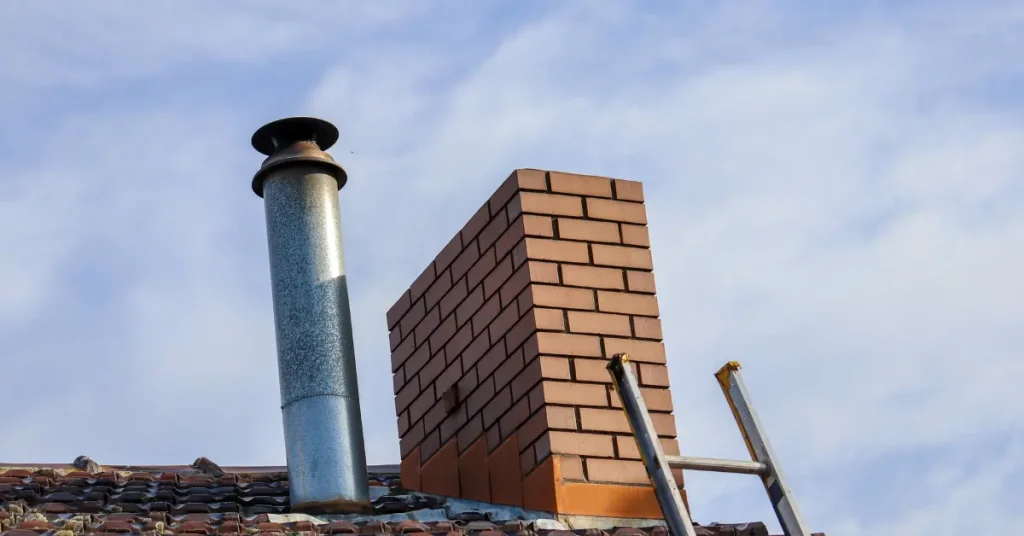
Think of a liner as the protective sleeve inside your flue. It creates a barrier between hot combustion gases and your home’s structure. Without this layer, intense heat can reach wooden framing and cause fires. The liner also prevents carbon monoxide from seeping into your living spaces.
We see older homes without any liner at all. That was common before building codes changed. Today, every fireplace system needs a proper lining for safe operation. The liner also improves draft efficiency. This means smoke travels up and out instead of back into your room. A good liner makes your whole system work better and last longer.
Signs Your Chimney Needs to Be Relined
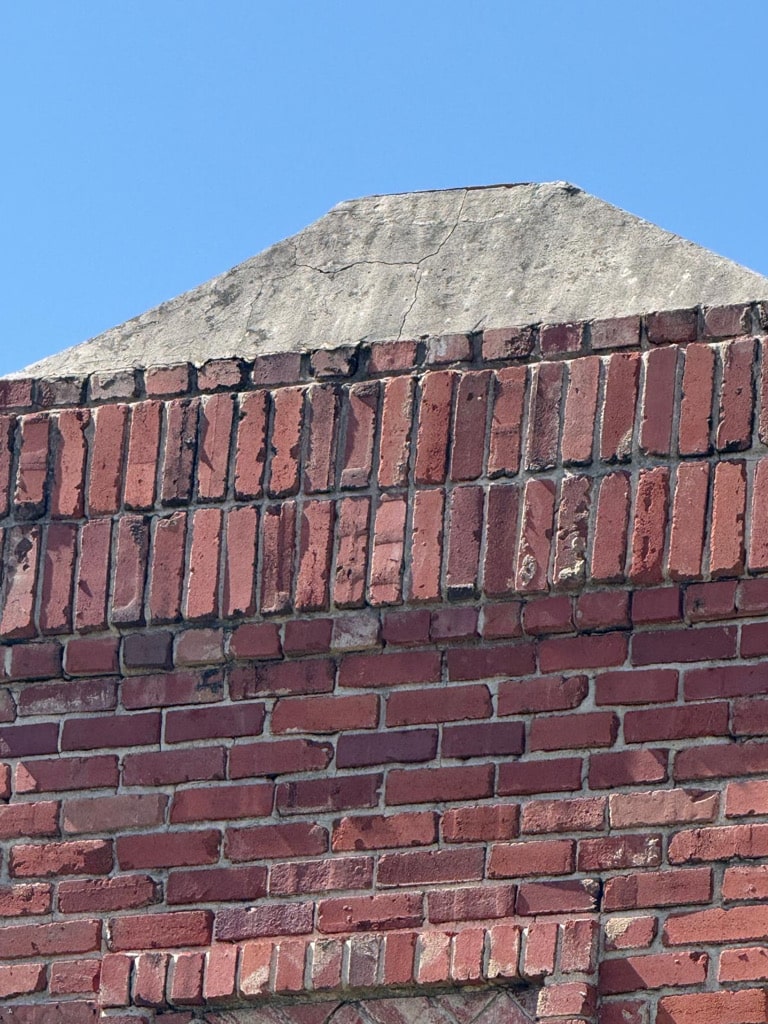
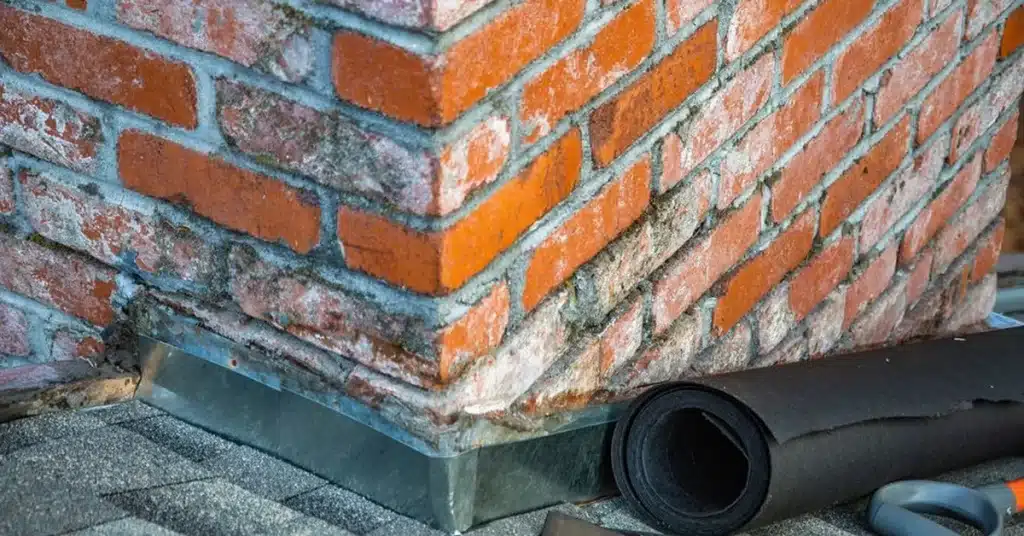
How do you know when chimney relining becomes necessary? There are some clear warning signs to watch for. Crumbling mortar joints inside the flue indicate serious deterioration. White staining on exterior bricks, called efflorescence, suggests moisture problems. These issues mean your current liner is failing.
Here are the most common signs we look for during inspections:
- Visible cracks or gaps in the flue tiles
- Pieces of clay falling into the firebox
- Excessive creosote buildup despite regular cleaning
- Smoke enters your home when using the fireplace
- A strong, persistent smoky smell even when not in use
If you notice any of these problems, call a professional right away. Ignoring them only leads to bigger, more expensive repairs down the road. We have seen small cracks turn into major structural damage within a single heating season.
Different Types of Chimney Liners Explained
Not all liners work the same way. The right choice depends on your setup and budget. Let us walk you through the main options available today.
Stainless Steel Flue Liners
Stainless steel is our go-to recommendation for most homeowners. These metal liners are flexible and durable. They fit into existing flue structures without major construction work. Installation is relatively quick compared to other methods.
We love stainless steel for its versatility. It works with wood, gas, and oil heating systems. The material resists corrosion and handles extreme temperatures well. Most products come with lifetime warranties, too. When paired with proper insulation, these liners perform exceptionally for decades.
Clay Tile and Cast-in-Place Options
Clay tiles were the standard for many years. They handle heat well and cost less upfront. However, they crack over time and are difficult to repair. Replacing damaged tiles often requires extensive masonry work.
Cast-in-place liners offer another solution. Technicians pour a cement-like material inside the existing structure. This creates a seamless, insulated barrier. We recommend this option for historic homes where preserving the original structure matters. The process restores damaged systems without visible changes to the exterior.
The Chimney Relining Process Step by Step
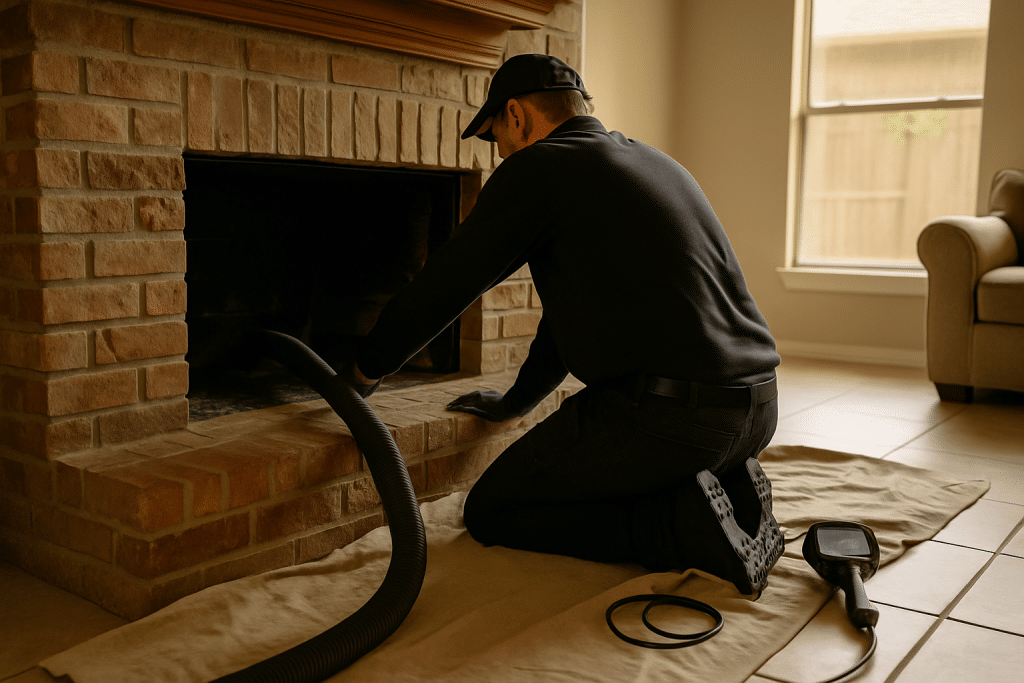
Curious about what happens during a chimney relining job? We start with a thorough inspection using special cameras. This lets us see exactly what is happening inside the flue. We measure dimensions and identify all problem areas before starting work.
Next, we clean out the entire system. Old debris and creosote must go before new materials are installed. For stainless steel installations, we lower the flexible liner from the top. Then we connect it to your appliance and secure everything properly. Insulation wraps around the liner to improve performance and safety.
The whole chimney relining usually takes one day for standard installations. More complex jobs might need additional time. We always test the system before leaving to ensure proper draft and function. You will have documentation showing everything meets current safety codes.
Flue Repair vs Installing a New Liner
Sometimes you do not need complete chimney relining. Minor flue repair can address isolated damage effectively. Small cracks or localized deterioration might only require patching. We assess each situation individually to recommend the most cost-effective solution.
However, extensive damage usually means a new liner makes more sense. Patching multiple areas costs more long-term than proper replacement. A fresh installation also comes with warranties and guaranteed performance. We always explain both options honestly so you can make an informed choice.
Consider the age of your current system, too. Liners over 50 years old typically need replacement regardless of visible condition. The materials simply do not last forever. Investing in chimney relining now prevents emergency situations during peak heating season.
FAQ
Q: How long does a new liner last?
A: Stainless steel liners typically last 15 to 25 years with proper maintenance. High-quality versions with lifetime warranties exist, too. Clay tile liners can last 50 years but crack more easily. Cast-in-place liners also perform well for several decades. Annual inspections help maximize the lifespan of any liner type you choose.
Q: Can I use my fireplace during the relining process?
A: No, you cannot use your fireplace while work is being done. The system must remain inactive until installation is complete. Most jobs finish within one day anyway. We schedule work to minimize inconvenience during colder months. Once we complete testing, you can safely enjoy fires again immediately.
Q: Does homeowners' insurance cover liner replacement?
A: Standard policies rarely cover normal wear and deterioration. However, damage from specific events like lightning or house fires might qualify. Check your policy language carefully or call your agent. Some companies offer riders for older heating systems. Document all damage with photos before filing any claims.
Q: How often should I have my flu inspected?
A: Annual inspections are the industry standard for regular fireplace users. Even gas appliances need yearly checks despite producing less residue. Inspectors catch small problems before they become major expenses. If you burn wood frequently, consider twice-yearly cleanings. Prevention always costs less than emergency repairs.
Q: What happens if I ignore a damaged liner?
A: Ignoring damage creates serious risks for your household. Heat can transfer to combustible materials and start house fires. Carbon monoxide may leak into living spaces without warning. Structural deterioration accelerates when moisture enters cracked areas. Insurance companies might deny claims if you neglected known maintenance issues.
Get in touch
- 17630 Davenport Rd Ste 108, Dallas, TX 75252
- +1 972 884 5553
- info@theonechimneysweep.com