
Services
Chimney Inspection
What Happens During a Professional Chimney Cleaning Appointment?
February 16, 2026
- By
- The Chimney Inspection & Sweep
- Chimney Inspection & Cleaning Specialists
At The Chimney Inspection & Sweep, we’ve been helping homeowners care for their fireplaces for years of experience, and one of the most common questions we hear is: what happens during a chimney cleaning appointment? Many homeowners want to know what they’re paying for, how long it takes, and whether it’s truly necessary. If you’re comparing providers or deciding whether to schedule, this guide will walk you through the process step by step. We’ve seen what happens when cleanings are skipped. One homeowner delayed service for several seasons, and creosote buildup ignited during a routine fire, leading to a costly flue liner replacement. Regular chimney cleaning services are not cosmetic – they directly reduce fire risk and protect your home.
How to Compare Providers and Spot Quality Work
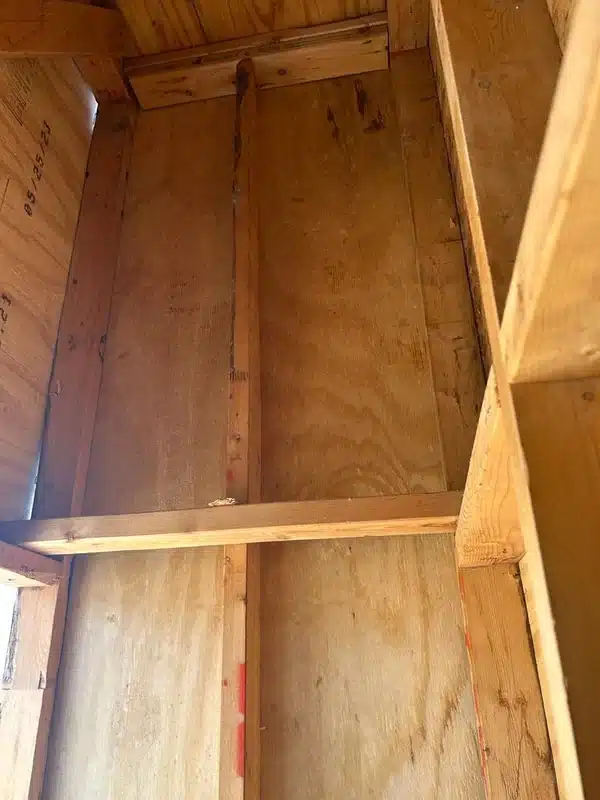
The most important best practice in chimney cleaning is containment and inspection. A reputable provider controls dust, documents findings, and follows recognized standards. A quick sweep without evaluation misses the bigger picture. When comparing options, look for a process that includes:
- Pre-cleaning inspection of the firebox, damper, smoke chamber, flue, and chimney crown
- Use of HEPA-filtered vacuum systems to prevent soot contamination inside the home
- Mechanical brushing sized to the flue liner (clay tile, stainless steel, or cast-in-place)
- Documentation of creosote stage and recommendations aligned with NFPA 211
- Post-cleaning review with photos or video when needed
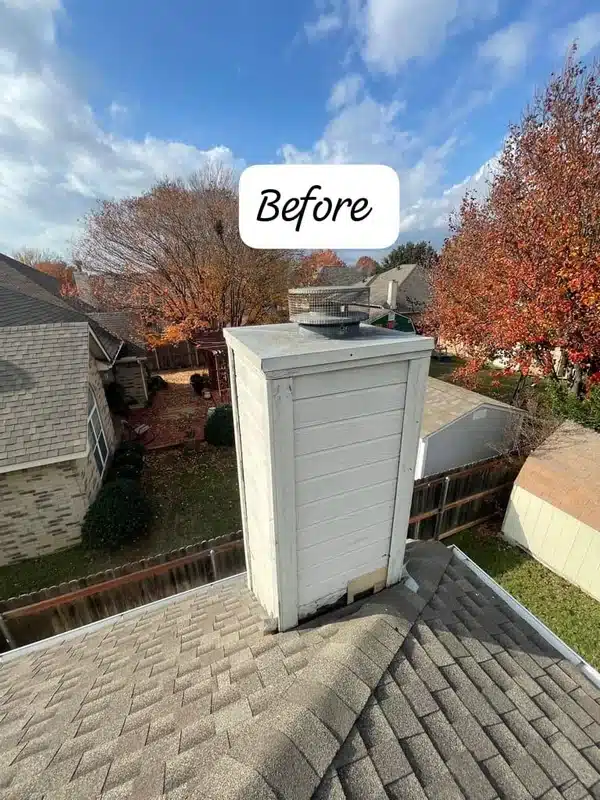
Questions to Ask, Timeline, and Cost Expectations
Homeowners evaluating what happens during a chimney cleaning appointment often want a clear outline of the visit. A standard appointment typically follows this sequence:
- Confirm appliance type (wood-burning, gas insert, prefab, or masonry)
- Perform visual and camera-based inspection as needed
- Set up containment barriers and HEPA vacuum
- Mechanically sweep flue and smoke chamber
- Clean firebox, damper assembly, and remove debris
- Review findings and maintenance recommendations
Get Clear Answers Before You Schedule
If you are still weighing your options, the safest move is to schedule a professional chimney evaluation today. Hidden creosote buildup, liner damage, or drafting issues can put your home and family at risk long before visible warning signs appear. Our experienced team provides a thorough inspection, clear explanations in plain language, and honest recommendations tailored to your system. You will know exactly what is happening inside your flue and what steps will protect your home. Do not wait until the next fire exposes a costly problem. Take control of your safety, improve performance, and gain peace of mind. Contact The Chimney Inspection and Sweep NOW to book your appointment and secure your home before the season begins.
FAQs
How often should a chimney be professionally cleaned?
NFPA 211 recommends that chimneys, fireplaces, and venting systems be inspected at least once per year and cleaned whenever necessary. While this establishes a minimum standard, the actual cleaning schedule depends on how frequently the system is used and the type of fuel being burned. Homes that rely on wood-burning fireplaces or stoves throughout the colder months often require annual cleaning because regular fires create creosote buildup more quickly. Creosote is a highly flammable byproduct of wood combustion, and its accumulation inside the flue significantly increases the risk of a chimney fire. If creosote reaches a thickness of 1/8 inch or more, cleaning is strongly recommended for safety. Gas-fired appliances generally produce less residue, but they still require annual inspection to check for vent blockages, corrosion, and proper draft. Even rarely used systems should be inspected to ensure safe operation and structural integrity.
Will a chimney cleaning make a mess inside my home?
A professional chimney cleaning should never leave soot or debris scattered throughout your home. Reputable technicians take careful steps to protect your living space before any brushing or sweeping begins. This includes sealing off the fireplace opening with heavy duty plastic sheeting, placing protective drop cloths over nearby flooring and furniture, and using commercial grade HEPA vacuums designed specifically for fine particulate control. These high efficiency systems create negative air pressure inside the chimney, capturing dust and soot at the source rather than allowing it to circulate into the room. Problems typically arise when inexperienced providers skip essential containment procedures or rely on standard shop vacuums without proper HEPA filtration. This can allow microscopic particles to escape and settle on surfaces. Before scheduling a service, ask detailed questions about dust control methods and equipment. Thorough preparation and containment demonstrate professionalism and respect for your home and indoor air quality.
How much does a chimney cleaning appointment usually cost?
A standard chimney cleaning appointment generally begins at approximately $150 and can range to $400 or more, depending on the specific conditions of the system and property. Several factors influence the final cost, including the level of creosote buildup, especially if it is heavily glazed and requires specialized removal techniques. Homes with multiple flues, tall structures, or limited roof access may also require additional time and safety equipment, which can increase labor expenses. Site specific challenges such as steep roof pitches, narrow attic access points, or obstructed chimney caps can further impact pricing. If an inspection uncovers damaged liners, cracked crowns, deteriorated flashing, or other structural concerns, those repairs are typically quoted separately from the cleaning service. These price ranges are provided as general guidelines for budgeting purposes. A thorough on site evaluation is necessary to deliver an accurate and customized estimate.
Can I clean my own chimney instead of hiring a professional?
Some homeowners attempt DIY chimney cleaning using basic brush kits purchased from hardware stores or online retailers. While these tools may remove a small amount of loose soot from easily accessible areas, they rarely address deeper issues within the chimney system. Important sections such as the smoke chamber, flue liner joints, and damper area often remain partially untouched. Glazed creosote, which is highly flammable and difficult to remove, typically requires specialized rotary equipment and professional grade products. In addition, without a proper camera inspection, hidden cracks, liner deterioration, or blockages can go unnoticed. Safety is another serious concern. Accessing a roof without fall protection, stable ladders, or proper training increases the risk of injury. Professionals are equipped with safety gear and understand how to navigate different roof pitches and weather conditions. If your chimney has heavy creosote buildup, drafting issues, or has not been inspected in several years, hiring a certified technician is strongly recommended. Although DIY cleaning may appear more affordable at first, incomplete removal of hazardous deposits can increase the risk of chimney fires and costly structural damage over time.
What warning signs indicate I need a chimney cleaning soon?
Common warning signs of chimney trouble often begin subtly but can quickly become serious if ignored. A strong smoky odor when the fireplace is not in use may indicate creosote buildup or poor ventilation within the flue. Difficulty starting a fire or keeping it burning steadily can point to draft problems, blockages, or excess soot restricting airflow. Visible black flakes or debris inside the firebox are another clear sign that cleaning is overdue. You may also notice smoke backing up into the room instead of rising through the chimney, which suggests an obstruction or drafting issue. Unusual sounds such as scratching or chirping from inside the flue can indicate animals or nesting materials blocking proper airflow. If you observe a shiny, tar-like coating known as glazed creosote, schedule professional service as soon as possible because this substance is highly combustible. Annual inspections and cleanings help detect these warning signs early, protecting indoor air quality and reducing the risk of chimney fires.
What problems are commonly found during a chimney cleaning appointment?
Beyond creosote buildup, our inspections frequently uncover a range of structural and safety concerns that can compromise chimney performance. These often include cracked clay flue tiles, deteriorated mortar joints, rusted or malfunctioning dampers, missing or damaged chimney caps, and signs of ongoing water intrusion. Water is one of the most destructive forces affecting masonry chimneys. When moisture penetrates brick and mortar, it can lead to spalling bricks, weakened joints, and internal liner damage that worsens with seasonal temperature changes. Over time, this deterioration may impact the overall stability of the chimney structure. We also commonly find animal nests, leaves, and other debris, particularly in chimneys that lack properly fitted caps. Early identification of these problems allows homeowners to make targeted repairs before minor defects develop into major structural failures or costly liner replacements.
What qualifications should I look for when hiring a chimney professional?
Look for professionals who follow NFPA 211 guidelines and carry appropriate liability insurance to protect both you and your property. Certification through recognized industry organizations, such as the Chimney Safety Institute of America (CSIA), demonstrates that the technician has completed formal training and passed standardized testing in chimney inspection and cleaning practices. Ask whether the company performs both Level 1 and Level 2 inspections, especially if you have recently purchased a home or made changes to your heating system. Confirm that they use camera equipment to evaluate the internal condition of the flue, as this allows for a more accurate assessment of hidden damage or buildup. Reputable providers offer clear explanations, detailed written estimates, and documented findings with photos when possible. Be cautious of unusually low prices that lack a clear description of services, as this can indicate incomplete or rushed inspections.
What should I do if I suspect a chimney fire has occurred?
If you suspect a chimney fire, often indicated by loud cracking or popping sounds, heavy dense smoke, vibrations, or a sharp burning odor, stop using the fireplace immediately. Do not attempt to light another fire, even if the signs seem minor or temporary. Chimney fires can burn extremely hot and may cause serious structural damage that is not visible from the outside. Intense heat can crack clay or metal flue liners, warp chimney components, and damage mortar joints. These failures can create hidden gaps that allow heat, flames, or toxic gases to reach nearby combustible framing. After any suspected chimney fire, schedule a Level 2 inspection with a qualified professional. This inspection typically includes a detailed camera scan of the flue interior to check for cracks, blockages, or liner damage. Continuing to use the fireplace without proper evaluation greatly increases the risk of a dangerous house fire.

Our mission is to save lives by providing superior service at reasonable prices.
Chimney repair is one of our main services.
We also offer a free home fire safety check at every service appointment.
Chimney repair is one of our main services.
We also offer a free home fire safety check at every service appointment.
Information
Service Areas
- Dallas
- Plano
- Carrollton
- Irving
- McKinney
- Frisco
- Allen
- Garland
- Richardson
- Addison
- Arlington