
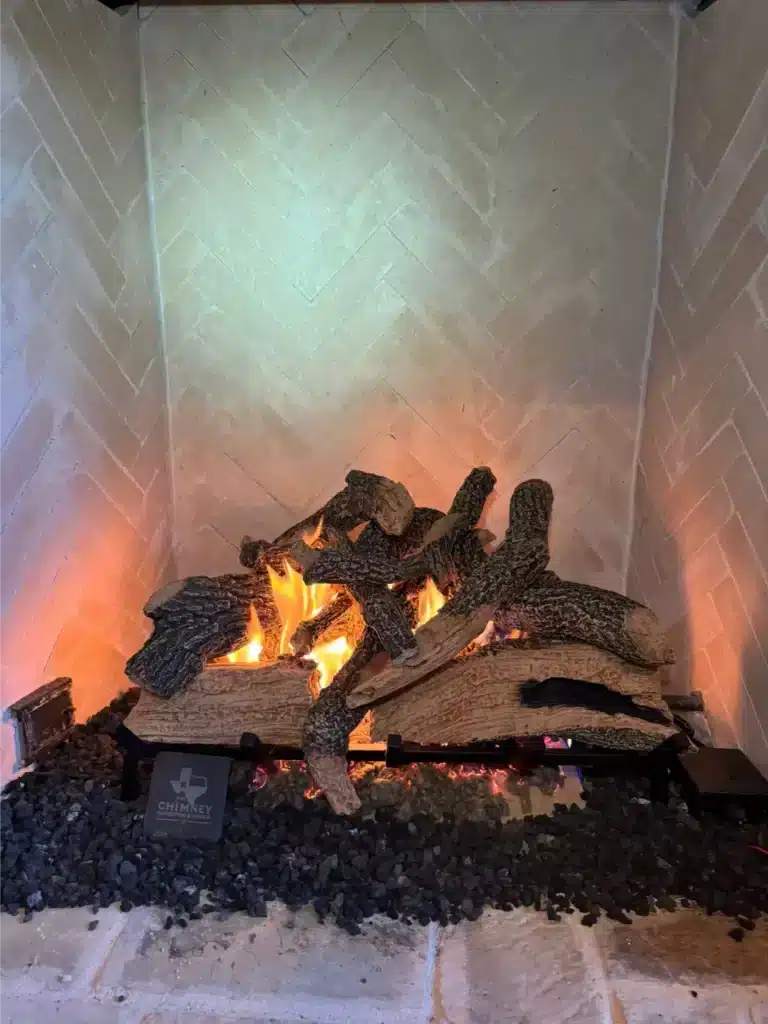
Identify and Repair Fireplace Damage | Top Warning Signs
There’s nothing quite like a cozy evening by the fire. But that warmth can turn dangerous fast if you’re not paying attention to your system’s health. I’ve worked on countless homes where owners had no idea their setup was falling apart. Fireplace damage often hides in plain sight until something goes wrong. The good news? Most problems give you warning signs first. Let’s walk through what you need to watch for and how to keep your home safe all season long.
Common Causes of Fireplace and Chimney Problems
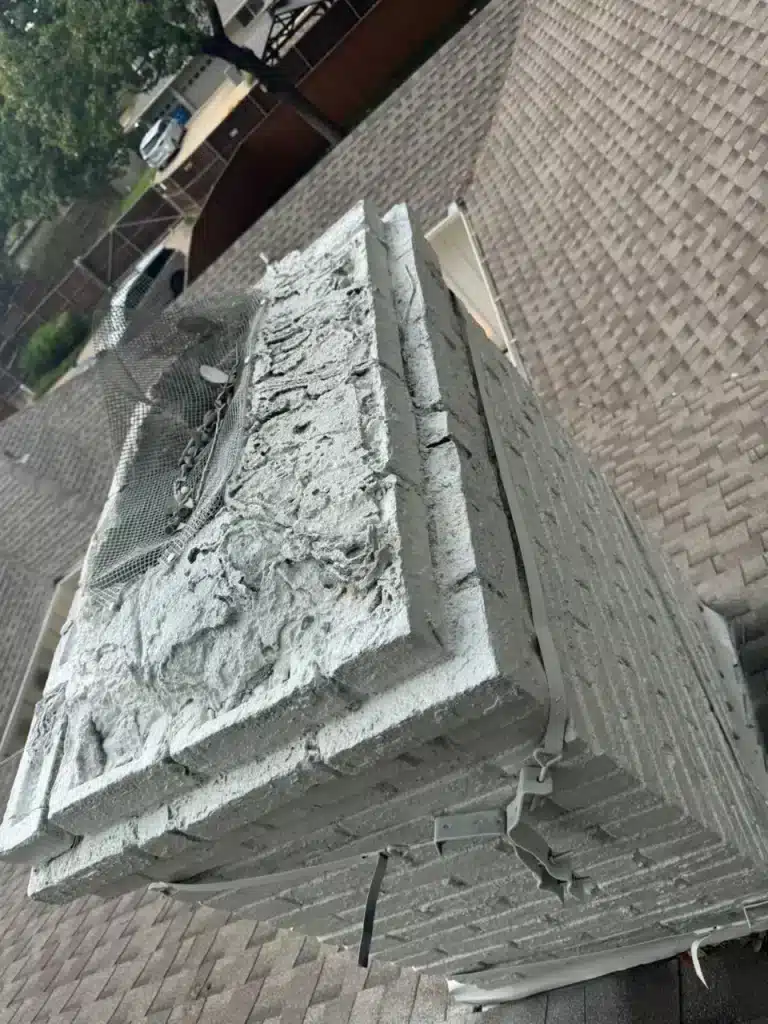
Over the years, I’ve seen the same issues keep popping up. Most fireplaces and chimneys suffer from neglect more than anything else. Homeowners have been lighting fires for years without ever scheduling a cleaning. That buildup causes serious trouble down the road. Weather plays a huge role too, especially in areas with harsh winters or heavy rain.
Another common cause is improper installation from the start. An improperly sized chimney creates airflow problems that lead to bigger issues. Age matters as well. Older homes often have systems that weren’t built to modern safety standards. These factors combine to create fireplace damage that sneaks up on you over time.
Warning Signs of Fireplace Damage Every Homeowner Should Know
Your system talks to you if you know how to listen. White staining on exterior bricks usually means moisture is getting inside. Cracked mortar joints let heat escape where it shouldn’t. I always tell clients to look for rust on their damper or firebox. That rust signals water intrusion happening somewhere above.
Strange smells are another red flag you shouldn’t ignore. A strong odor when the system isn’t in use often points to creosote buildup or animal debris. If you notice smoke entering your room instead of going up, something’s blocking proper airflow. These warning signs demand attention before they become expensive repairs.
Signs of Smoke and Soot Buildup in Your Firebox
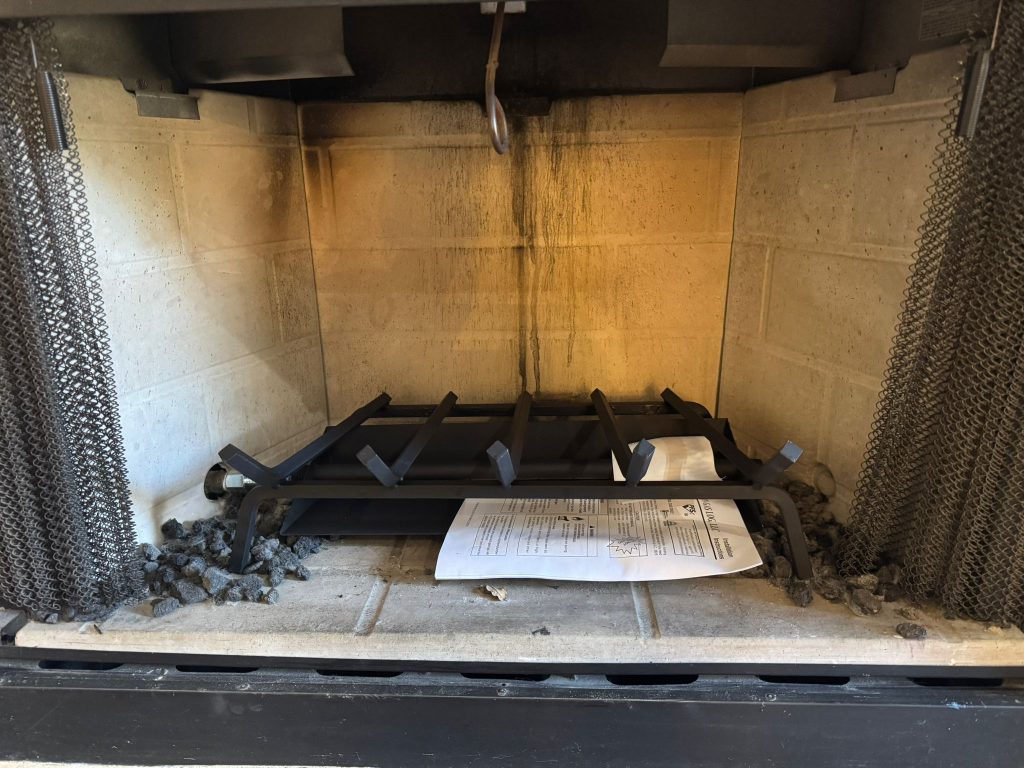
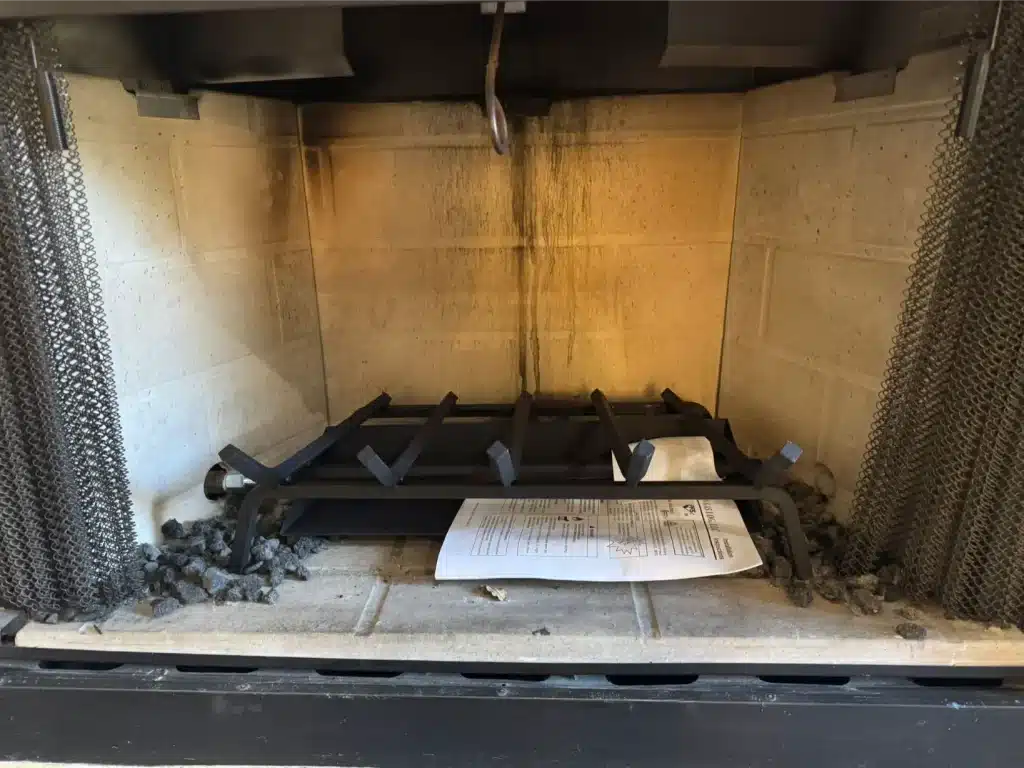
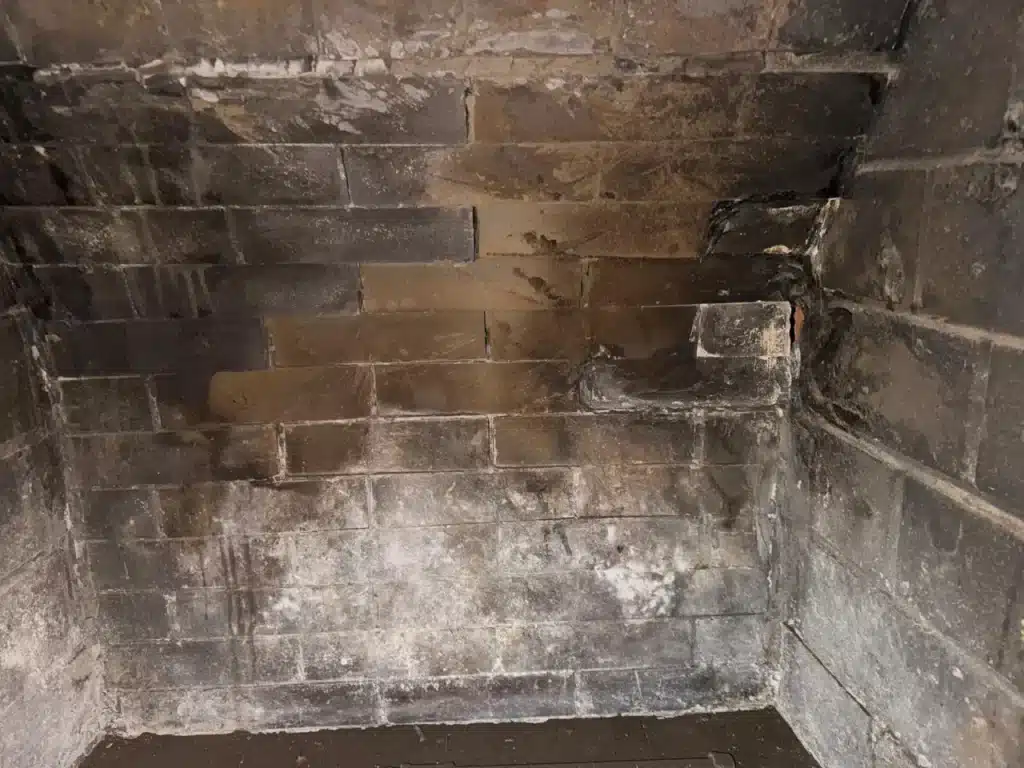
Take a flashlight and look inside your firebox regularly. Heavy black buildup on the walls indicates combustion isn’t occurring efficiently. Soot accumulation thicker than an eighth inch needs professional attention right away. I’ve cleaned fireboxes where the buildup was so thick it actually restricted the opening size.
Dark staining around the front opening indicates smoke is rolling back into your living space. This happens when drafting problems exist. You might also notice a sticky, tar-like substance on the walls. That’s concentrated creosote, and it’s highly flammable.
How Creosote Buildup Creates Chimney Fire Hazards
Creosote is the number one cause of chimney fires in residential homes. This byproduct forms when wood doesn’t burn completely. It sticks to your flue liner and hardens over time. I cannot stress enough how dangerous this substance becomes. Even a small spark can ignite built-up creosote instantly.
There are three stages of creosote accumulation:
- Stage one appears as flaky, easy-to-remove soot
- Stage two becomes tar-like and harder to clean
- Stage three turns into a hardened, glazed coating
- This final stage requires professional removal tools
Regular cleaning prevents creosote from reaching dangerous levels. A chimney fire can spread to your entire home in minutes. Don’t take chances with this particular hazard.
Water Damage and Its Effect on Brick Structures
Water is surprisingly destructive to masonry systems. It seeps into tiny cracks and freezes during the winter months. That freezing action expands the cracks further each cycle. I’ve seen brick walls crumble because of this freeze-thaw process. Damage from water intrusion into the fireplace often goes unnoticed until major repairs are needed.
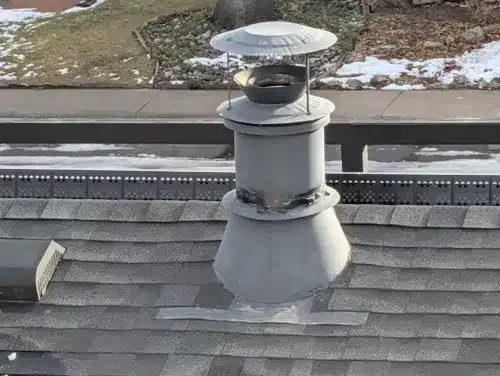
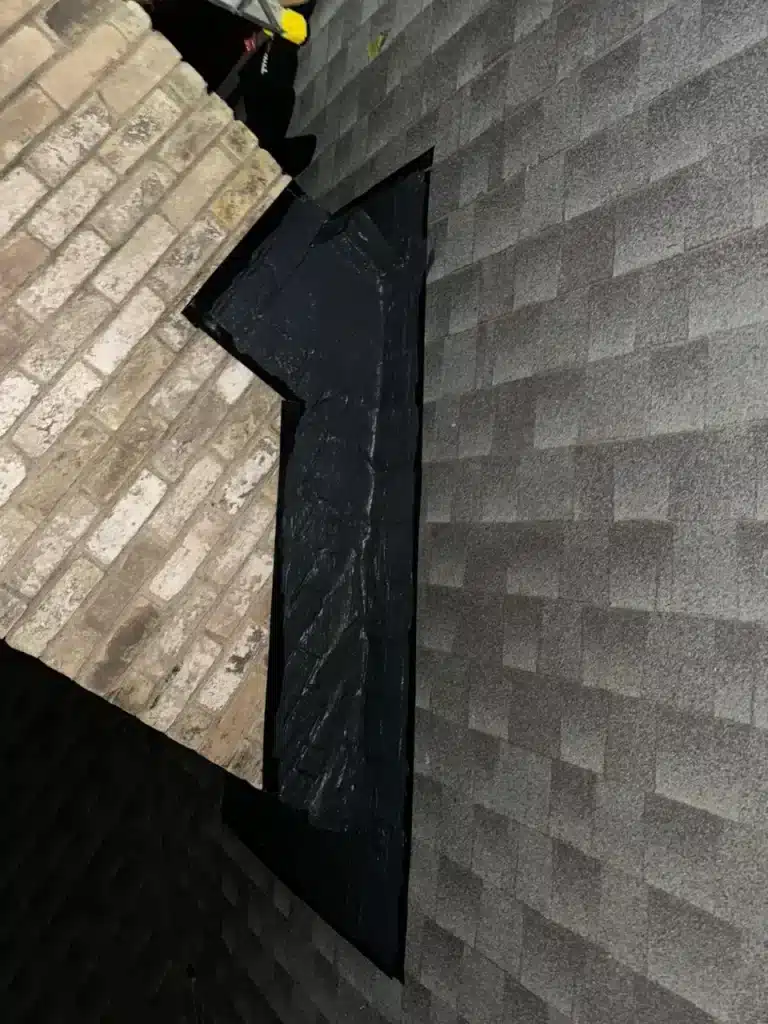
Missing or cracked chimney caps let rain pour directly inside. Damaged flashing where the structure meets your roof creates leak points. Once water gets into the system, it deteriorates mortar joints and rusts metal components. Waterproofing treatments can prevent most of these moisture-related problems when applied correctly.
Recognizing Chimney Damage and Fire Damage Risks
Chimney damage shows itself in several distinct ways. Leaning or tilting structures indicate foundation problems requiring immediate attention. Visible gaps between bricks mean the mortar has failed and needs repointing. Fire damage from previous incidents leaves behind discoloration and structural weakness.
Cracked flue tiles inside your chimney create pathways for heat to reach combustible materials. This type of hidden deterioration causes house fires every year. Spalling bricks, where the face pops off, signal that moisture has penetrated deep inside. Each of these conditions substantially increases your risk.
Gas Fireplace and Damper Issues to Watch For
Gas fireplace systems have their own unique problems. Pilot lights that won’t stay lit often indicate thermocouple failures. Yellow or orange flames, rather than blue, suggest incomplete combustion. I’ve serviced many gas units where dirty burners caused the whole system to malfunction.
Your damper controls airflow and must seal properly when closed. A stuck or rusted damper wastes energy and lets outside air in. Some homeowners don’t realize their damper even exists. Testing its operation takes just seconds but prevents multiple fireplace problems throughout the season.
Professional Inspection Helps Catch Fireplace Damage Early
Annual inspection of your fireplace should be non-negotiable for every homeowner. Certified technicians spot issues you’d never notice on your own. They use cameras to examine flue interiors for cracks or blockages. Professional inspection typically costs far less than emergency repairs from neglected problems.
Inspectors check everything from cap condition to firebox integrity. They measure creosote levels and thoroughly assess liner condition. Their trained eyes catch early-stage fireplace damage before it escalates. Think of it like a yearly physical for your home’s heating system. Prevention always beats expensive cures.
Prevent Future Fireplace Damage with Regular Maintenance
Consistent fireplace maintenance extends your system’s lifespan dramatically. Burn only seasoned hardwoods that produce less creosote during combustion. Keep your firebox free of excess ash buildup after each use. These simple habits make a real difference over time.
Schedule professional cleaning at least once a year, more often if you burn frequently. Install a quality chimney cap to keep water and animals out. Address minor repairs immediately before they grow into major projects. Taking care of your system protects your investment and keeps your family safe. Maintain your fireplace properly, and it will serve you faithfully for decades to come.
FAQ
Q: How often should I have my chimney cleaned?
A: Most experts recommend annual cleaning for systems used regularly during the winter months. If you burn fires daily throughout the season, consider cleaning twice per year. Light users who only enjoy occasional fires might stretch to every 18 months. The key is monitoring creosote buildup levels. More than an eighth of an inch of accumulation means it’s time, regardless of your schedule.
Q: Can I inspect my chimney myself?
A: You can perform basic visual checks from ground level and inside your firebox. Look for noticeable cracks, staining, or debris. However, professional inspections catch problems you cannot see. Technicians use specialized cameras and have training to identify subtle warning signs. Self-inspection works for monitoring between professional visits, not as a replacement for them.
Q: What causes white stains on my chimney bricks?
A: Those white stains are called efflorescence. They form when water moves through masonry and deposits mineral salts on the surface. While efflorescence itself isn’t harmful, it signals moisture penetration happening inside. This moisture causes real structural problems over time. Addressing the water source prevents further deterioration and potentially expensive repairs.
Q: Is a cracked firebox dangerous to use?
A: Yes, cracked fireboxes pose genuine safety risks to your home. Cracks allow heat to reach combustible materials behind the masonry structure. This situation can cause house fires without any visible warning. Stop using your system immediately if you notice cracking. Have a professional assess the severity and recommend appropriate repairs before lighting another fire.
Q: How do I know if my damper is working correctly?
A: Open and close your damper while watching and listening carefully. It should move smoothly without sticking or grinding. When closed, you shouldn’t feel any drafts. Hold a lit match near the opening with the damper closed. If the flame flickers significantly, your seal isn’t tight enough and needs adjustment or replacement.