
Services
Chimney Inspection
How to Clean Your Gas Fireplace Chimney Safely and Effectively
March 26, 2026
- By
- The Chimney Inspection & Sweep
- Professional Chimney Services Company
At The Chimney Inspection & Sweep, we have spent many years helping homeowners maintain safe, efficient, and reliable fireplace systems. Our experts use extensive training and field experience to create a step-by-step checklist designed to make gas fireplace chimney cleaning simple to understand and easy to follow. This process ensures that every homeowner can confidently handle basic maintenance while recognizing when to call in a professional. With the proper tools, knowledge, and structure, your gas fireplace can continue operating at peak efficiency and safety throughout the year. If you need additional help, our chimney inspection and cleaning services provide detailed professional support. Ignoring your gas fireplace chimney does far more than reduce heating performance – it can lead to severe safety issues, including carbon monoxide buildup or internal corrosion. During inspections, we have encountered homes where a small vent obstruction created significant risks. Although gas fireplaces generate less soot than wood-burning versions, moisture and acidic residues can still accumulate, damaging masonry and metal components. Regular maintenance protects your investment and keeps the indoor air you breathe clean, safe, and comfortable.
Codes, Standards, and Essential Maintenance Guidelines
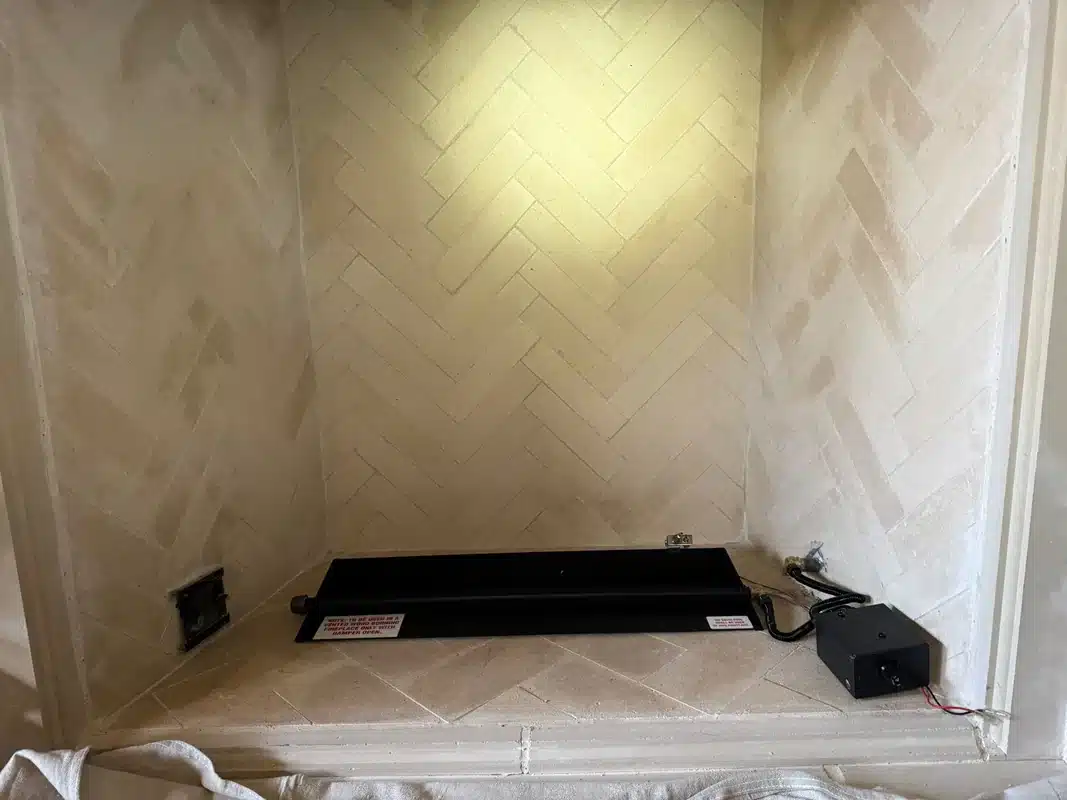
Every safe cleaning session aligns with nationally recognized guidelines. The most reliable chimney safety standards come from the NFPA, International Residential Code (IRC), and regional building departments. Following these ensures proper ventilation, combustion safety, and inspection compliance.
Step 1: Verify Code Compliance – Ensure vent and clearance setup meet the IRC and NFPA 211 recommendations.
Step 2: Schedule Regular Evaluations – A Level I or II inspection through certified pros ensures hidden issues are caught early. Check out our detailed Level 2 chimney inspection requirements guide for insights.
Step 3: Maintain Certified Equipment – Use UL-listed venting materials and original equipment parts. Doubling up aftermarket seals often leads to improper vent pressure balance. Following these standards protects both occupants and property value while ensuring your gas fireplace receives proper ventilation.
- 2025 International Residential Code (IRC) Section M1804 – Requires gas appliance venting to be corrosion-resistant and properly terminated outdoors. Consequences: failure can cause carbon monoxide leaks and insurance policy voidance.
- NFPA 211: Standard for Chimneys, Fireplaces, Vents, and Solid Fuel-Burning Appliances – Mandates annual inspections and regular maintenance according to chimney type. Consequences: fire risk, liability issues, and denied warranty claims.
- Consumer Product Safety Commission (CPSC) Gas Fireplace Safety Guidelines – Recommends verified CO alarms and regular professional service. Consequences: personal injury, equipment failure, or system inefficiency.
Step 1: Verify Code Compliance – Ensure vent and clearance setup meet the IRC and NFPA 211 recommendations.
Step 2: Schedule Regular Evaluations – A Level I or II inspection through certified pros ensures hidden issues are caught early. Check out our detailed Level 2 chimney inspection requirements guide for insights.
Step 3: Maintain Certified Equipment – Use UL-listed venting materials and original equipment parts. Doubling up aftermarket seals often leads to improper vent pressure balance. Following these standards protects both occupants and property value while ensuring your gas fireplace receives proper ventilation.
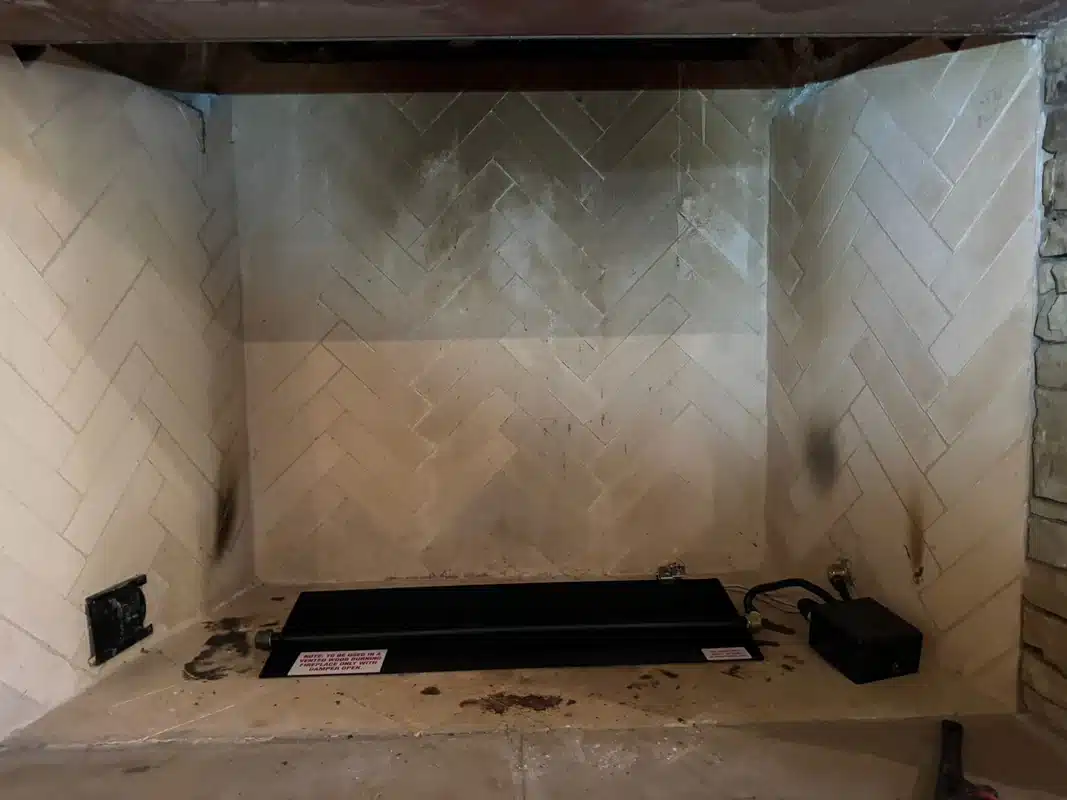
Common Issues, Prevention Tactics, and Cost Expectations
Step 1: Identify Common Operational Symptoms – Flame discoloration, delayed ignition, or unusual odor can indicate vent obstruction or moisture entry. A homeowner once contacted us after noticing flickering flames; improper draft flow had trapped condensation, corroding internal components.
Step 2: Inspect for Condensation and Draft Issues – Fogging on glass or white residue suggests poor vent temperature management. Regular sealing checks prevent condensation corrosion.
Step 3: Replace Gaskets and Seals – Use manufacturer-approved silicone gaskets that withstand up to 600°F. Skipping this step risks backdraft and poor heat efficiency.
Step 4: Plan a Maintenance Schedule – Semi-annual self-checks combined with yearly professional evaluations maintain safety. We recommend pairing cleaning with comprehensive chimney inspection services for reliable performance.
Step 5: Understand Cost and Timeframes – Professional gas fireplace chimney cleaning may range from $150 – $450 depending on vent length, buildup severity, and accessibility. Complex systems with multiple bends might increase cost to $600. Typical cleaning takes 1 – 2 hours. These figures are preliminary benchmarks for informational purposes only and do not constitute a binding quote. An on-site evaluation is required for a final proposal. Prolonging maintenance beyond a year can lead to premature vent corrosion or carbon monoxide leakage. Consistent cleaning keeps the system compliant, efficient, and ready for safe seasonal operation.
Book a Professional Chimney Evaluation Today
Your gas fireplace is central to comfort and safety in your home, but residue buildup, changing flame patterns, or unusual odors can signal deeper problems. Waiting too long can put your property at risk and lead to costly repairs. That is why now is the perfect time to schedule a professional inspection with The Chimney Inspection & Sweep. Our certified team uses advanced vent diagnostics and NFPA 211 compliant methods to uncover corrosion, leaks, or blockages before they become hazards. You gain peace of mind knowing your system operates efficiently, safely, and cleanly throughout the entire season. Protect your investment and keep your home safe. Call today or book your inspection online now to secure your preferred appointment time.
FAQs
How often should I schedule gas fireplace chimney cleaning?
We recommend scheduling professional gas fireplace chimney cleaning at least once every year or after approximately 100 hours of fireplace use, whichever occurs first. Adhering to this schedule helps identify developing problems early, such as vent blockages, condensate corrosion, or burner inefficiency that might lead to unsafe operating conditions. Although natural gas burns cleaner than wood, it still leaves behind small amounts of carbon, sulfur, and moisture-based deposits that can gradually build up inside the venting system. Over time, these residues reduce exhaust flow and can lead to incomplete combustion or carbon monoxide accumulation. Annual cleaning and inspection also help maintain compliance with NFPA 211 safety standards while protecting manufacturer warranty coverage. For homes with frequent winter usage, adding a mid-season inspection is a proactive way to confirm that vent seals, gaskets, and combustion air pathways remain in safe working order.
What tools do I need for DIY gas fireplace chimney cleaning?
A safe DIY gas fireplace chimney cleaning requires careful preparation and the right tools to avoid damaging your equipment. Start by gathering a soft-bristle fireplace brush, factory-approved glass cleaner, microfiber cloths, protective gloves, and a vacuum with a crevice attachment. These tools help remove soot and residue without scratching metal or glass surfaces. A flashlight and an angled inspection mirror are essential for examining hidden bends or joints in the vent run. Never use wire brushes or harsh scrubbing pads, as they can harm aluminum or stainless steel liners. Avoid ammonia-based household cleaners and instead rely on non-abrasive formulas designed for gas fireplaces. Always shut off the gas supply before starting your work. Remember that internal vent sections that are not easily reached should be serviced only by certified technicians who have flexible inspection cameras and carbon monoxide detection instruments. Complex systems or chimney components with multiple elbows should always be inspected by a professional certified through the Chimney Safety Institute of America (CSIA) to ensure safe performance and proper airflow.
How much does professional gas fireplace chimney cleaning cost?
Professional gas fireplace chimney cleaning typically costs between approximately $150 and $450, depending on several important factors. Pricing is influenced by the vent length and overall configuration, such as whether the layout is straight through or includes multiple bends that require more time and specialized tools to clean. The amount of soot, creosote, or corrosion that has built up also affects labor intensity and overall cost. Stainless steel vent systems often require less maintenance and may be slightly less expensive to service compared to older galvanized metal ducts. Homeowners may choose optional services such as interior glass cleaning, gasket inspection, or replacement, which can add about $50 – $100 to the total. Regional travel distance, accessibility of the fireplace components, and seasonal demand can all impact final pricing. Complex installations involving multi-vent arrangements, older appliances, or thorough combustion analysis may range as high as $600. These figures are intended strictly as general guidelines for budgeting and comparison purposes. Because every property and system has unique conditions, an in-person inspection from a qualified professional is necessary to assess vent integrity, identify safety concerns, and provide an accurate written estimate for comprehensive maintenance or cleaning service.
Can I clean my gas fireplace chimney myself or should I hire a professional?
DIY cleaning can address simple upkeep, such as wiping glass panels, removing light dust from exterior surfaces, and clearing debris from decorative elements. However, tasks involving internal vent cleaning, combustion verification, or gas flow diagnostics require certified professionals with advanced tools and training. Gas fireplaces must undergo precise draft balancing and leak testing with instruments like manometers and carbon monoxide analyzers to ensure both safety and efficiency. Blocked vent terminations, loose fittings, or corrosion within the venting system can lead to dangerous exhaust backflow and potential exposure to harmful gases. Certified technicians from organizations such as CSIA or NFI perform thorough inspections of burner alignment, ignition safety, and seal integrity, aligning every step with NFPA 211 guidelines. Schedule professional maintenance if you notice unusual odors, distorted flames, excessive soot, or difficulty igniting, as these may signal airflow obstruction or incomplete combustion that can compromise indoor air quality and long-term system reliability.
What are the warning signs my gas fireplace chimney needs cleaning?
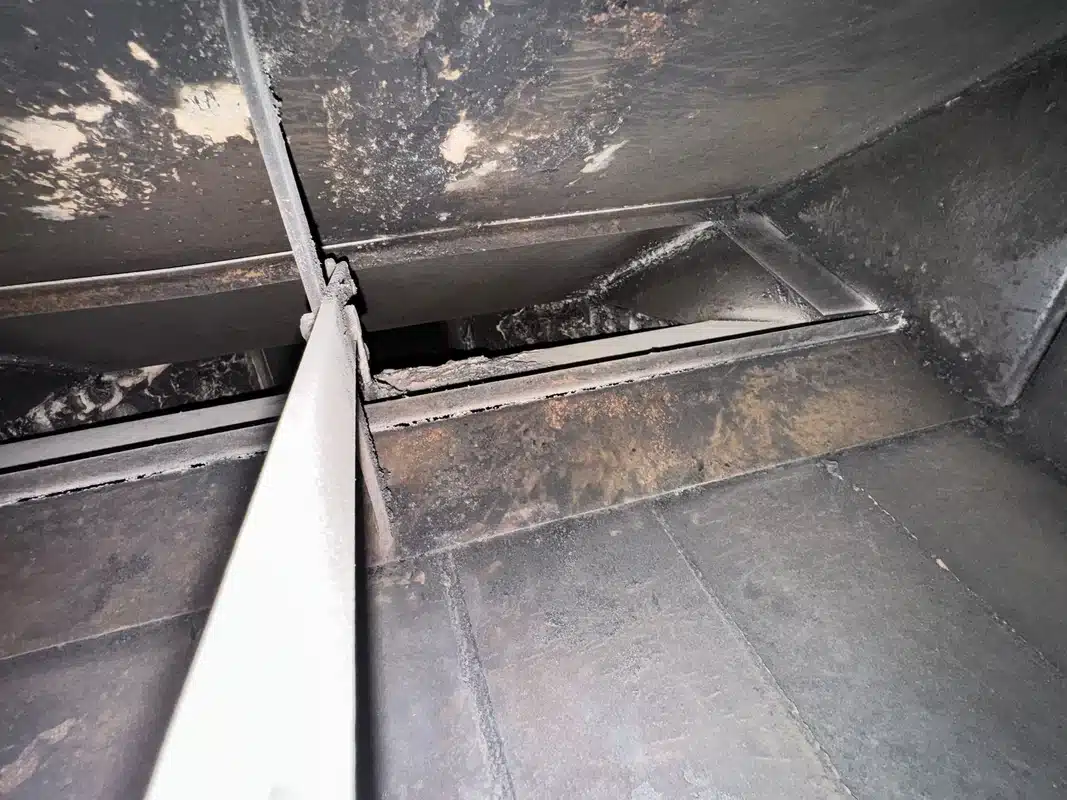
Watch for subtle but easily recognizable signs that your fireplace venting system may need attention. Delayed ignition, pilot lights that frequently go out, or unusual amounts of heat on the glass doors often point to ventilation problems. You might also notice a thin layer of soot forming around the vent openings or along nearby walls. Condensation, rust, or water stains around the vent area suggest moisture intrusion, which reduces efficiency and can hasten corrosion. Unpleasant odors, such as metallic or smoky smells during startup, also indicate incomplete combustion. If your carbon monoxide detector ever sounds while the fireplace is in use, turn everything off and ventilate the area at once. Scheduling professional inspections every year helps catch these issues early. Even modest residue accumulation can quickly develop into rusted or obstructed vent components if routine maintenance is neglected.
What are the most common problems with gas fireplace chimneys?
Common problems found in venting and combustion systems often start with airflow restrictions caused by insects, bird nests, or accumulated debris near exterior terminations. These obstructions limit exhaust movement and can create backdraft conditions inside the appliance. Internal rust or scale formation is another frequent concern that develops when moisture and acidic combustion gases interact with steel surfaces. Over time, deteriorated vent seals allow small exhaust leaks that release odor and moisture into living spaces. Incorrectly adjusted air shutters may cause yellow, unstable flames that produce soot or carbon buildup on glass fronts and burner assemblies. Condensation inside flue pipes during rapid temperature shifts can also leave rust streaks and metallic odors. Scheduling qualified inspections each heating season helps detect corroded sections, warped joints, or misaligned vents before structural failure occurs. Technicians follow NFPA 211 maintenance guidelines, verify proper draft, and recommend installing CO monitoring alarms to protect building occupants from fire, poisoning, and efficiency losses linked to vent faults. Consistent maintenance ensures safe operation, longer equipment life, and more reliable performance year after year.
What should I look for when hiring a gas fireplace chimney cleaning professional?
Select a technician who holds current certification from the Chimney Safety Institute of America (CSIA), the National Fireplace Institute (NFI), or another equally recognized authority in gas system safety. Always confirm that the professional maintains valid licensing, comprehensive liability insurance, and verifiable references that demonstrate experience with similar gas fireplace or venting systems. Inquire specifically whether the company complies with NFPA 211 standards and conducts full combustion analysis in addition to the basic visual inspection. A dependable service provider will review their findings with you in clear, straightforward language and deliver a detailed written report outlining vent pressure readings, flue condition, pilot function, and overall burner efficiency. Be wary of contractors offering bargain prices without mentioning testing instrumentation, as this can mean skipped safety checks. Trustworthy companies arrive properly equipped with HEPA filtration systems, video inspection cameras, gas analyzers, and manufacturer-approved replacement components that ensure lasting, code-compliant performance.
What should I do if I suspect a gas leak or carbon monoxide issue with my fireplace?
Immediately shut off the gas supply at its main valve, ensuring the handle is turned perpendicular to the pipe to stop the flow completely. Open windows and doors in the immediate area to provide consistent air circulation and help disperse any accumulated gas. Evacuate all occupants and pets from the premises right away. Avoid switching lights or appliances on or off, since a small spark could trigger ignition. Once at a safe distance outdoors, contact your gas supplier or emergency services to report the issue and receive further guidance. Do not attempt to relight burners, clean up, or restart the system until a qualified professional has performed a thorough inspection. Service fees may apply for after-hours response, but restoring safety, verifying proper ventilation, and preventing carbon monoxide buildup are always worth the additional cost.

Our mission is to save lives by providing superior service at reasonable prices.
Chimney repair is one of our main services.
We also offer a free home fire safety check at every service appointment.
Chimney repair is one of our main services.
We also offer a free home fire safety check at every service appointment.
Information
Service Areas
- Dallas
- Plano
- Carrollton
- Irving
- McKinney
- Frisco
- Allen
- Garland
- Richardson
- Addison
- Arlington