
What is a Chimney Damper? | Flue Damper
Lighting a fire should feel cozy and relaxing. It should not fill your living room with thick smoke. If smoke spills back into your room, you likely have a problem with chimney pressure. Many homeowners ignore this, but proper airflow matters for safety. When the air pressure inside isn’t balanced, smoke has nowhere to go but out into your living space. We see this happen often during the winter. It usually comes down to simple physics and how your house breathes. Understanding chimney pressure is the first step to having a safe fireplace. Let’s look at why your draft might be failing you today.
Understanding How Chimney Pressure Works
Think of your chimney like a giant straw for your house. Hot air rises naturally because it is lighter than cold air. This rising air creates a natural pull that experts call draft. Proper chimney pressure depends entirely on this upward movement. If the air pressure inside the house fights the air in the flue, you get problems.
Intense chimney pressure keeps smoke moving up and out of the roof. Weak pressure lets it drift back down into your family room. You need that consistent upward flow to keep your fire burning clean. When chimney pressure is stable, the fire draws in fresh oxygen easily. This keeps the flames bright and the smoke going where it belongs.
Common Signs of Chimney Draft Problems
How do you know if you have insufficient airflow before the smoke alarm goes off? The most apparent sign is smoke entering your room when you light a fire. It is tough to get the wood to light. Sometimes, the fire burns poorly or goes out quickly without warning. These are classic problems.
You might even smell strong soot odors when the fireplace is not in use. These signs mean the draft is not pulling air up effectively. Paying attention to these clues helps you catch chimney pressure issues early. If your glass doors get dirty instantly, that is another bad sign. Good chimney pressure usually helps keep the firebox cleaner.
The Science Behind the Flue Gas Stack Effect
The flue gas stack effect sounds complex, but it is actually simple physics. It refers to the movement of air due to significant temperature differences. The hot gas in your flue naturally wants to rise to the top. The taller the structure, the stronger this effect usually is. If the flue is too cold, the gas cannot rise fast enough.
This lack of heat slows down the flow and ruins the chimney pressure. Maintaining the correct temperature is key to good performance. Without that heat, the stack effect fails to move dangerous fumes out. We often see chimney pressure fail simply because the flue gas has cooled down too much. You need to keep that heat moving upward.

Negative Air Pressure and Your Home
Modern homes are built very tightly to save on energy bills. This is great for heating costs, but can be bad for airflow. Exhaust fans, dryers, and vents suck air out of your house constantly. This creates negative air pressure inside your living space. When this happens, air gets pulled down the chimney to fill the void.
This reverse flow completely ruins your chimney pressure. Your fireplace effectively becomes a fresh air intake for the house. You have to balance the air leaving your home with new air coming in. If the house is starving for air, the chimney pressure will always reverse. This is a battle between your fans and your fireplace.
Why Your Chimney Pressure Might Be Low
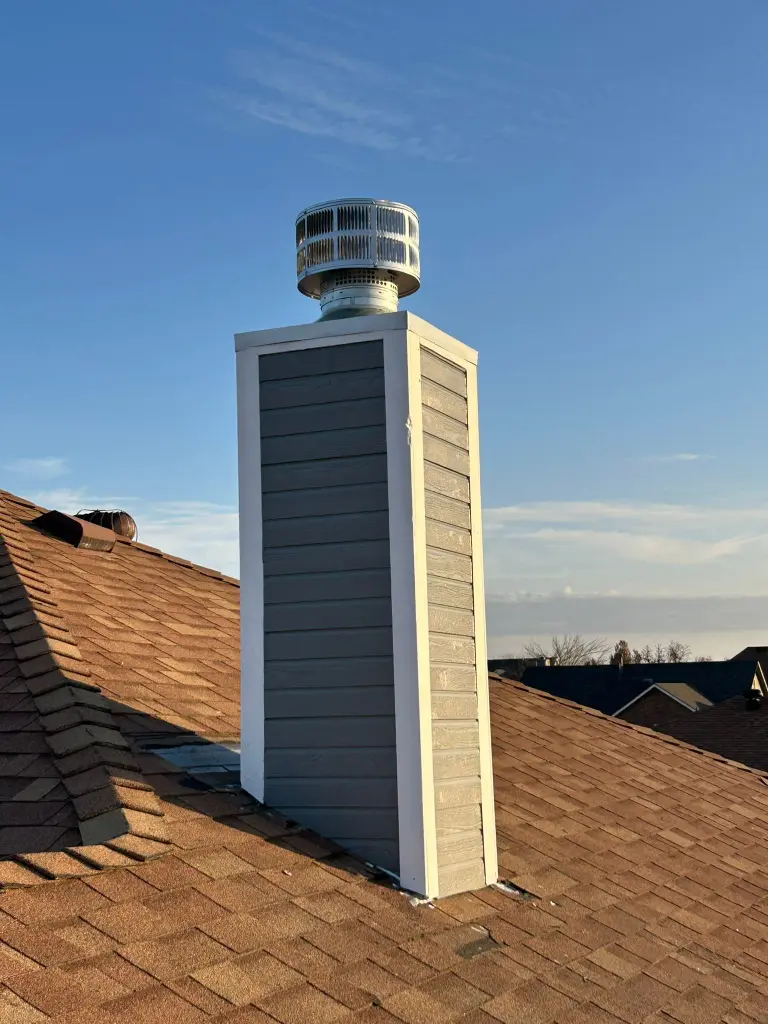
Several physical factors can disrupt your airflow and reduce pressure. A dirty cap is a very common culprit we see. If the screen is clogged with heavy soot, air cannot escape. Birds or animals might have built nests inside the liner during the summer. Even a closed damper will stop chimney pressure instantly.
- Clogged caps are preventing air escape.
- Nests or debris are blocking the main flue.
- A damper that is stuck or closed.
- Cracks in the masonry are letting cold air in.
Checking these items helps identify why your chimney pressure is struggling. Sometimes the flue size is just wrong for the fireplace opening.
Tips for Creating a Better Draft
You can take steps to improve the flow before lighting a match. Try warming the flue with a roll of burning newspaper first. Hold it up near the damper to push the cold air plug out. This helps establish a better draft immediately and fixes chimney pressure. Open a window slightly to relieve negative pressure in the room.
This gives the fire the extra oxygen it needs to breathe. Good chimney pressure relies on heat and a steady air supply. These small tricks often solve the problem without expensive repairs. Never turn on kitchen exhaust fans while lighting the fire. That fights against the chimney pressure you are trying to build.
Solving Chimney Pressure Issues for Good
Dealing with smoke in your eyes is frustrating and unsafe. If simple tricks do not fix the chimney pressure, you need professional help. A professional can inspect your system for hidden design flaws. We can look for blockages or install a specialized fan to force air up. Fixing chimney pressure protects your family from harmful fumes like carbon monoxide. Do not let a bad draft ruin your winter nights. Addressing chimney pressure ensures you can enjoy a warm fire worry-free. Get your system checked to breathe easier this season.
FAQ
What is the stack effect in a chimney?
The stack effect is the movement of air into and out of buildings. In terms of chimneys, it relates to the buoyancy of hot air. Since hot air is less dense than cold air, it rises naturally. This rising hot air creates a pressure difference that pulls smoke up the flue. If your home is very tall, this effect is usually more substantial. However, air leaks in the house can disrupt this natural flow and create drafts.
Can a chimney cap affect my draft?
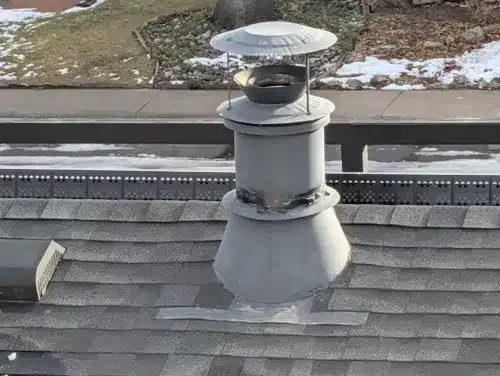
Yes, a cap can definitely affect your draft. While caps are essential for keeping rain and animals out, they can clog. If the screen on the cap gets filled with soot or creosote, it blocks airflow. This blockage acts like a plug at the top of a bottle. It prevents smoke from escaping freely, ruining your draft. We recommend checking your cap regularly to ensure it is clean and that proper ventilation is allowed.
Why does my fireplace smoke when the wind blows?
Wind can cause significant downdrafts if your system is not tall enough. When the wind blows over your roof, it can push air down the flue. This is often called wind loading. If the chimney does not extend far enough above the roofline, high pressure pushes smoke back. Installing a special wind-directional cap can usually solve this problem. These caps turn with the wind to shield the opening and preserve the upward draft.
Does opening a window help the fireplace draft?
Opening a window is a great way to improve your fireplace’s draft. Modern homes are often sealed very tightly for energy efficiency. This lack of air gaps means the fire has to fight for oxygen. Opening a window near the fireplace relieves negative pressure. This provides a fresh source of makeup air for the fire to consume. It reduces resistance in the room and allows smoke to flow up more easily.
What is a chimney balloon, and does it help?
A chimney balloon is an inflatable device used to plug the chimney. You use it when the fireplace is not in operation. It stops warm air from escaping your home and cold drafts from coming in. However, it does not help the draft while the fire is burning. You must remove or deflate it before lighting a fire. If you forget, smoke will fill the room instantly. It is a tool for insulation, not for improving active chimney pressure.
How often should I inspect my chimney for pressure issues?
You should have your chimney inspected at least once a year. An annual inspection ensures there are no blockages, such as bird nests or soot buildup. The inspector will also check the structural integrity of the flue and damper. Catching cracks or obstructions early prevents pressure issues from developing. The best time to schedule this is usually in late summer or early fall. This gets your system ready for safe use before the cold weather truly hits.