
Services
Chimney Inspection
Chimney Liner Installation in Dallas: Cost & Benefits
April 2, 2026
- By
- The One Chimney Sweep
- Chimney Service Company
Considering a new liner but unsure what actually matters? At The One Chimney Sweep, we’ve guided Dallas homeowners through Chimney Liner Installation in Dallas: Cost & Benefits for years of experience, and we’ve seen how confusing the options can be. This guide breaks down what to prioritize, what it typically costs, and how to avoid expensive mistakes. We recently inspected a Dallas home where a cracked clay liner had been ignored for seasons. Heat and flue gases were leaking into the masonry, creating a serious fire hazard. A proper chimney inspection would have caught it early – before repairs escalated into a full relining project.
Pros, cons, and what professional installation should include
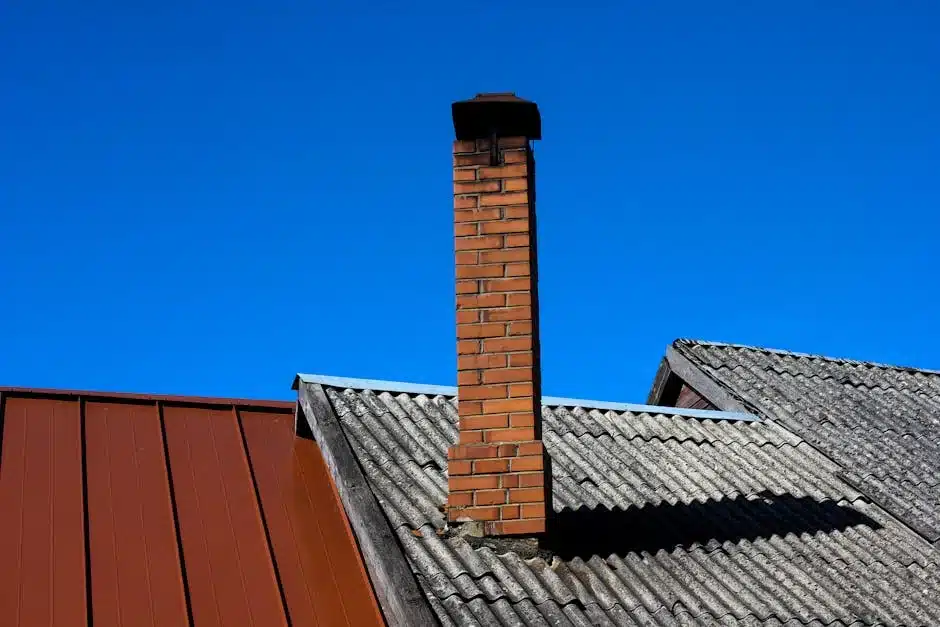
Choosing the right liner system starts with understanding how each material performs under real conditions. The most important best practice is matching the liner to the appliance and venting requirements. Proper insulation, correct diameter, and secure top and bottom terminations matter more than brand names. Here’s how common options compare:
- Stainless Steel (Rigid or Flexible): Durable, code-compliant for most retrofits, and suitable for wood, gas, or oil depending on alloy. Flexible liners navigate offsets in older Dallas chimneys. Higher upfront cost but strong long-term value.
- Cast-in-Place Liners: Poured cementitious systems that strengthen deteriorated masonry. Ideal when the flue tiles are severely damaged. Installation is more labor-intensive.
- Clay Tile Liners: Common in older homes but prone to cracking with thermal shock. Repairs can be complex once tiles fail.
- Video scan of the entire flue
- Measurement of flue height and appliance collar diameter
- Insulation wrap or pour-in insulation where required by code
- Listed top plate and rain cap termination
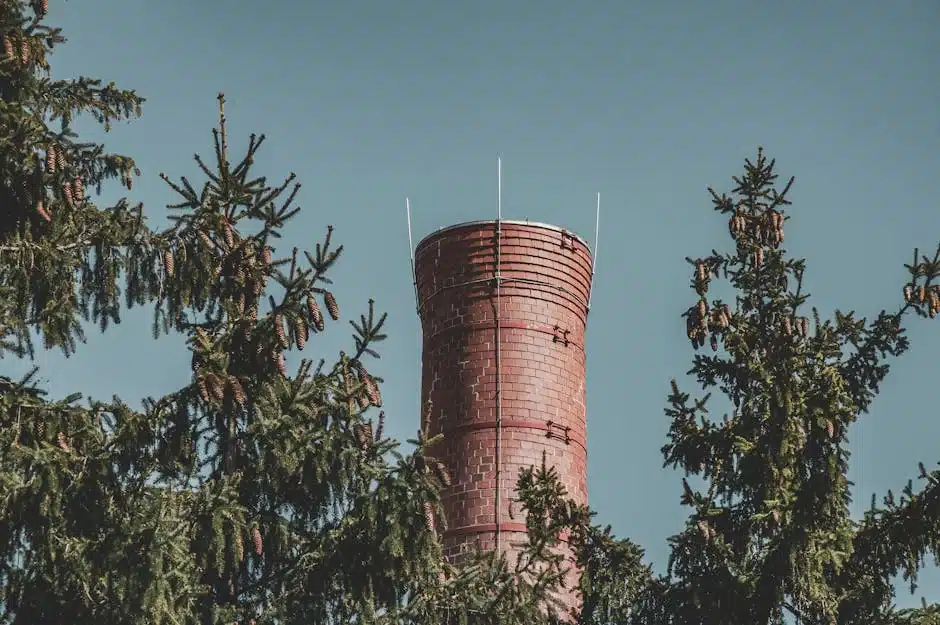
Questions to ask and what a typical installation involves
A chimney liner installation follows a defined process, and homeowners should understand each step before committing. We start with a camera inspection, verify appliance type, and confirm code requirements under NFPA 211 and local building standards. Ask your contractor:
- What alloy and thickness is the liner (e.g., 316Ti, 0.006″ or 0.010″)?
- Will the liner be insulated, and how?
- Is the system UL-listed for my specific fuel type?
- Will you provide before-and-after camera documentation?
Get Expert Guidance Before You Commit
A chimney liner is not just an upgrade – it’s a safety system that protects your home from fire, carbon monoxide, and moisture damage. Before selecting materials or approving a quote, make sure the design matches your appliance and meets current code requirements. We evaluate flue condition, sizing, insulation needs, and long-term performance so you can make a confident decision. If you’re weighing your options for chimney liner installation in Dallas, let’s review your setup and outline a clear, code-compliant path forward.
FAQs
Do I really need a new chimney liner in Dallas?
You may need a new liner if your existing clay tiles are cracked, missing mortar joints, or improperly sized for your current appliance. NFPA 211 requires that liners be continuous and suitable for the fuel type. In Dallas, we frequently see older masonry chimneys venting newer gas inserts without resizing the flue. That mismatch reduces draft and increases condensation, which corrodes both liner and masonry. A camera inspection is the only reliable way to confirm the liner’s condition. If you’ve changed appliances, experienced a chimney fire, or noticed debris falling into the fireplace, schedule an evaluation to determine whether relining is necessary for safety and performance.
What are the main benefits of stainless steel liners?
Stainless steel liners offer durability, corrosion resistance, and compatibility with multiple fuel types when the correct alloy is used. For example, 316Ti handles acidic condensate from gas appliances better than basic 304 in certain conditions. Insulated stainless systems maintain higher flue temperatures, which improves draft and reduces creosote formation in wood-burning setups. They are also UL-listed and widely accepted under NFPA 211 for retrofit applications. In Dallas homes with offsets or irregular flues, flexible stainless liners adapt without major masonry demolition. While the upfront investment may be higher than patch repairs, the long-term reduction in fire risk and moisture damage makes stainless a strong value choice.
How much does chimney liner installation typically cost in Dallas?
Chimney liner installation in Dallas may range from $2,500 to $6,500 for most stainless steel systems, depending on height and configuration. Cast-in-place systems or projects requiring masonry restoration can exceed that range. Pricing fluctuates based on site complexity (roof pitch, flue offsets, access limitations), material costs (alloy grade, insulation method), and total scope (appliance connection, crown or cap replacement). Most standard installations take one to two days, though multi-flue or structurally compromised chimneys could extend the timeline. These figures are preliminary benchmarks for informational purposes only and do not constitute a binding quote. An on-site evaluation is required for a final proposal.
Can I install a chimney liner myself?
While some liner kits are marketed to homeowners, proper installation involves code compliance, sizing calculations, and safe roof access. Incorrect diameter selection can cause drafting issues or carbon monoxide spillage. Failing to insulate when required by manufacturer instructions can void warranties and shorten liner life. We’ve seen DIY installations where the liner was not properly secured with a listed top plate, allowing water to enter the flue. That moisture accelerates corrosion and masonry damage. If you have professional-level roofing and venting experience, you might handle a straightforward, straight-shot flue. For most Dallas homes with offsets or appliance conversions, professional installation ensures safety, documentation, and warranty protection.
What are the warning signs of a damaged chimney liner?
Common warning signs include pieces of clay tile in the firebox, excessive creosote buildup, rust flakes from a metal liner, and smoke drafting poorly into the room. You may also notice a strong odor after rain, which can signal moisture intrusion through a compromised liner. In gas systems, corrosion or disconnected joints can allow flue gases to escape into the masonry cavity. Annual inspections with a video scan provide the clearest picture of liner condition. In Dallas, temperature swings and storm cycles can accelerate deterioration, so routine evaluation is especially important if your home is more than a couple of decades old.
Are there common chimney liner issues specific to Dallas homes?
Yes. Many Dallas homes built decades ago have clay tile liners that crack from thermal shock when wood fires burn hot after long idle periods. We also see problems when homeowners convert from wood-burning to gas inserts without resizing the flue. The oversized tile liner cools exhaust gases too quickly, causing condensation and corrosion. Heavy rain events can exploit small crown cracks, allowing water to deteriorate mortar joints around the liner. These regional factors make proper insulation, correct sizing, and moisture control essential for long-term performance. A localized inspection helps identify which of these conditions may apply to your chimney system.
What should I look for when hiring a chimney liner professional?
Look for a contractor who references NFPA 211 standards and provides documentation of UL-listed liner systems appropriate for your fuel type. They should perform a full video inspection, measure appliance output, and explain why a specific diameter and alloy are selected. Proof of insurance and clear written proposals matter. Ask whether insulation is included and how the liner will be terminated at the top and bottom. Contractors who skip inspection or provide a price without measuring the flue height are cutting corners. Detailed before-and-after photos and warranty information indicate a thorough, accountable installation process.
When should I treat chimney liner issues as urgent?
If you suspect a chimney fire, smell strong smoke odors when the fireplace is not in use, or experience carbon monoxide alarms activating, stop using the appliance immediately and ventilate the area. While liner replacement itself is not typically an emergency service, active symptoms like smoke backdrafting or loose liner sections falling into the firebox require prompt evaluation. Avoid lighting additional fires until a professional inspection confirms safety. In less urgent cases – such as minor draft issues or aging clay tiles – schedule an inspection soon to prevent escalation. Addressing liner problems early reduces the likelihood of structural damage or hazardous gas exposure.

Our mission is to save lives by providing superior service at reasonable prices.
Chimney repair is one of our main services.
We also offer a free home fire safety check at every service appointment.
Chimney repair is one of our main services.
We also offer a free home fire safety check at every service appointment.
Information
Service Areas
- Dallas
- Plano
- Carrollton
- Irving
- McKinney
- Frisco
- Allen
- Garland
- Richardson
- Addison
- Arlington