

How to Identify and Fix a Chimney Leak Before It Causes Damage
Water damage from your chimney can sneak up on you fast. I’ve seen homeowners ignore minor signs for months. Then they end up with rotted framing and mold problems. Trust me, catching a chimney leak early saves you thousands in repairs. The good news? Most issues have clear warning signs once you know what to look for. In this guide, I’ll walk you through common causes and fixes. Let’s help you protect your home before things get worse.
Common Causes of a Chimney Leak You Should Know

Over the years, I’ve diagnosed hundreds of water intrusion problems. The cause of chimney water damage usually falls into a few categories. Understanding these helps you spot trouble before it spreads.
Here are the most frequent culprits I encounter:
- Missing or damaged chimney caps are letting rain pour straight down
- Cracked or deteriorated chimney crowns at the top
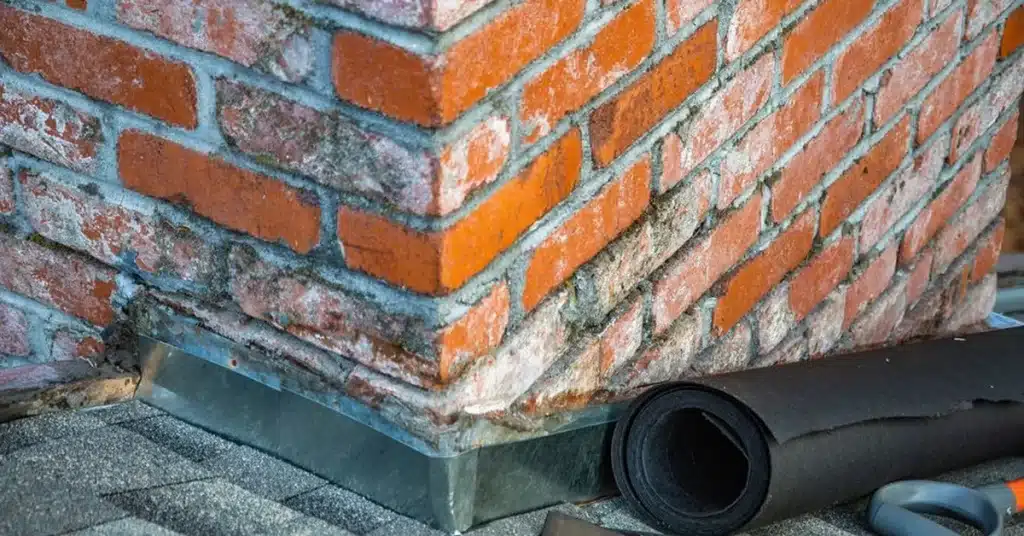
- Failed flashing where the chimney meets your roof
- Worn mortar joints between bricks
- Porous brick absorbing moisture over time
Each situation needs a different approach. Sometimes it’s a simple fix like replacing a cap. Other times, the damage runs deeper. I always tell customers to address the root cause first. Otherwise, you’re just putting a bandage on the problem.
How a Damaged Chimney Crown Leads to Leaking
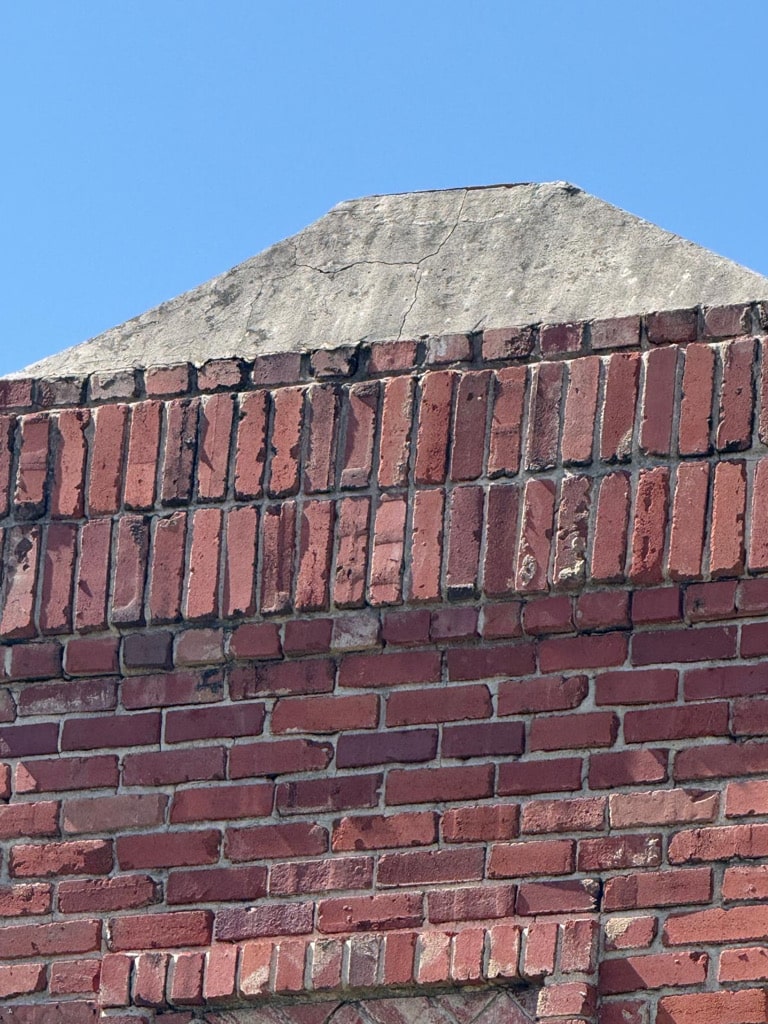
The chimney crown sits at the very top of your structure. It’s basically a concrete lid that protects everything below. When this crown cracks, water can get inside quickly.
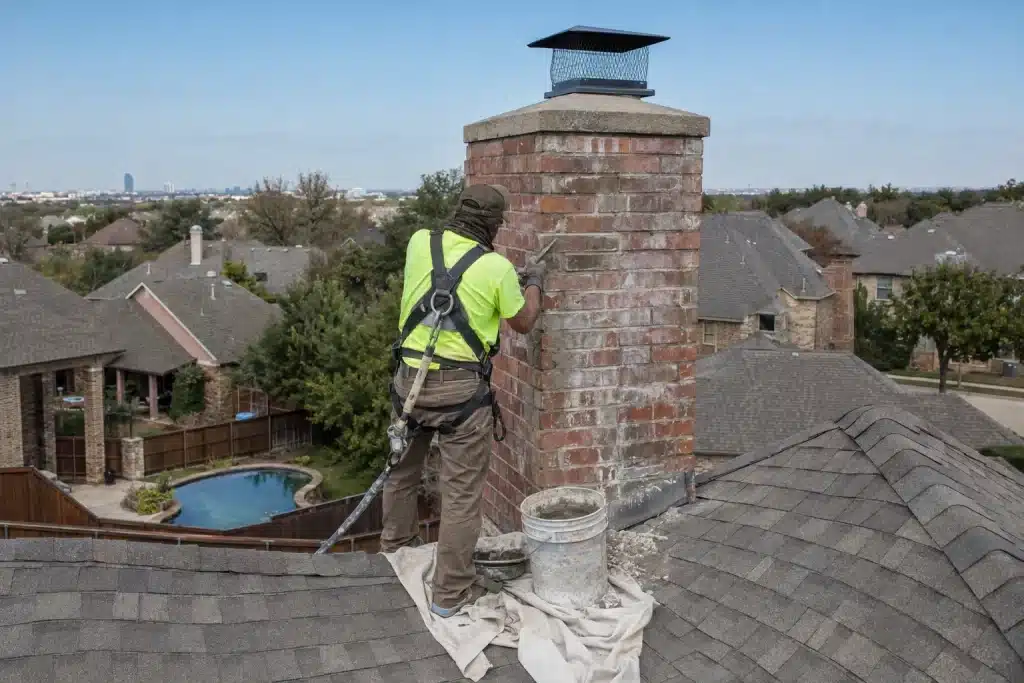
I’ve climbed countless roofs and seen crowns in terrible shape. Freeze-thaw cycles during winter hit them hard. Water seeps into tiny cracks, freezes, and expands. This makes the damage worse each season. A leaking chimney often starts right here at the crown. The fix involves sealing small cracks or replacing the entire crown. Don’t ignore this component during your regular maintenance checks.
Cracks in the Chimney and Brick Deterioration
Brick looks tough, but it’s actually pretty porous. Over time, moisture absorption weakens the material. I’ve seen cracks in the chimney structure that homeowners never noticed. These openings allow water to penetrate deeply into the masonry.
Spalling is another issue I regularly deal with. This happens when brick faces flake off due to moisture damage. Once spalling starts, deterioration speeds up quickly. The mortar joints between bricks also wear down over the years. Repointing these joints restores protection against water intrusion. A chimney leak caused by brickwork problems requires professional waterproofing to resolve fully.
Why Chimney Flashing Problems Cause Roof Leaks
Chimney flashing creates a watertight seal between your chimney and roof. It’s usually made of metal and layered with roofing materials. When this flash fails, water runs right into your home.
I can’t count how many leak calls turned out to be flashing issues. The metal corrodes over time, especially in harsh weather. Improper installation causes problems, too. Gaps form between the flashing and the surface. Heavy rain then channels water directly inside. Fixing flashing usually means removing old material and installing new pieces. Proper sealing is critical here. This repair prevents a chimney leak from damaging your roof deck and attic space.
Warning Signs of a Leaky Chimney in Your Fireplace
Your fireplace area is often the first to show signs of trouble. I tell homeowners to regularly inspect this space. Water stains on the ceiling or walls near your fireplace indicate a problem.
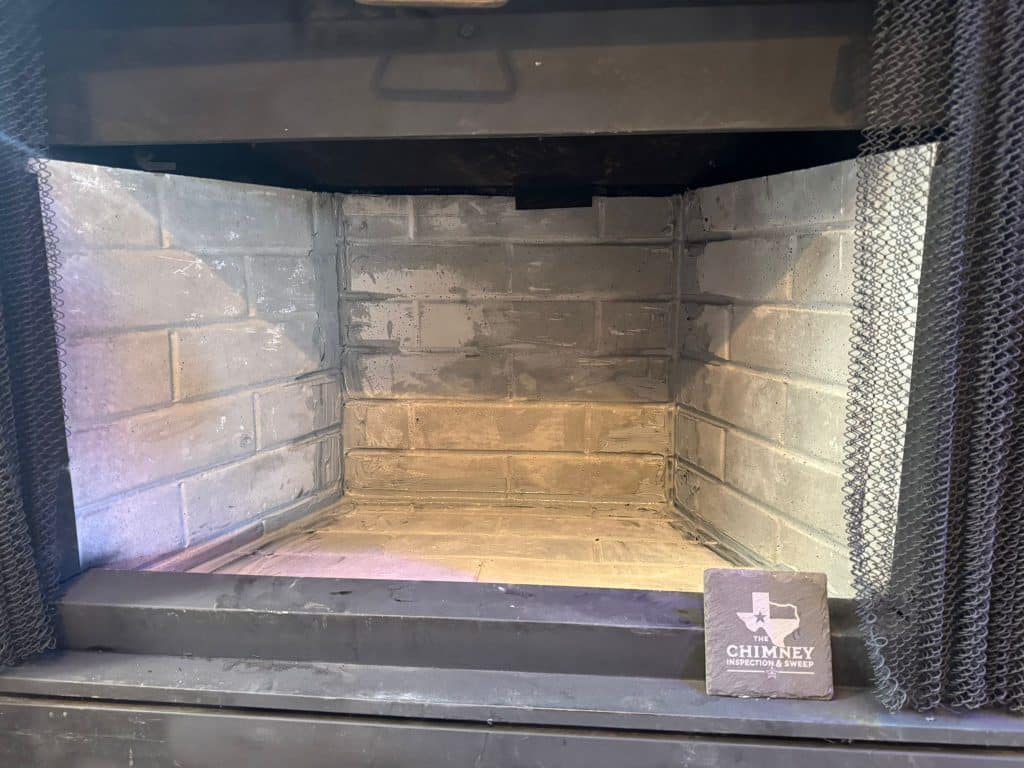
A musty smell coming from the fireplace is another red flag. That odor means moisture has been present for a while. You might also notice damp patches inside the firebox itself. Peeling wallpaper or bubbling paint nearby indicates hidden moisture. White staining on exterior brick, called efflorescence, means water is moving through the brick. These symptoms indicate a leaky chimney that requires immediate attention. Ignoring them leads to mold growth and structural damage.
Condensation Issues That Mimic a Chimney Leak
Here’s something that trips up many homeowners. Sometimes what looks like a leak is actually condensation. I’ve been called out for suspected chimney leaks that turned out to be moisture problems.
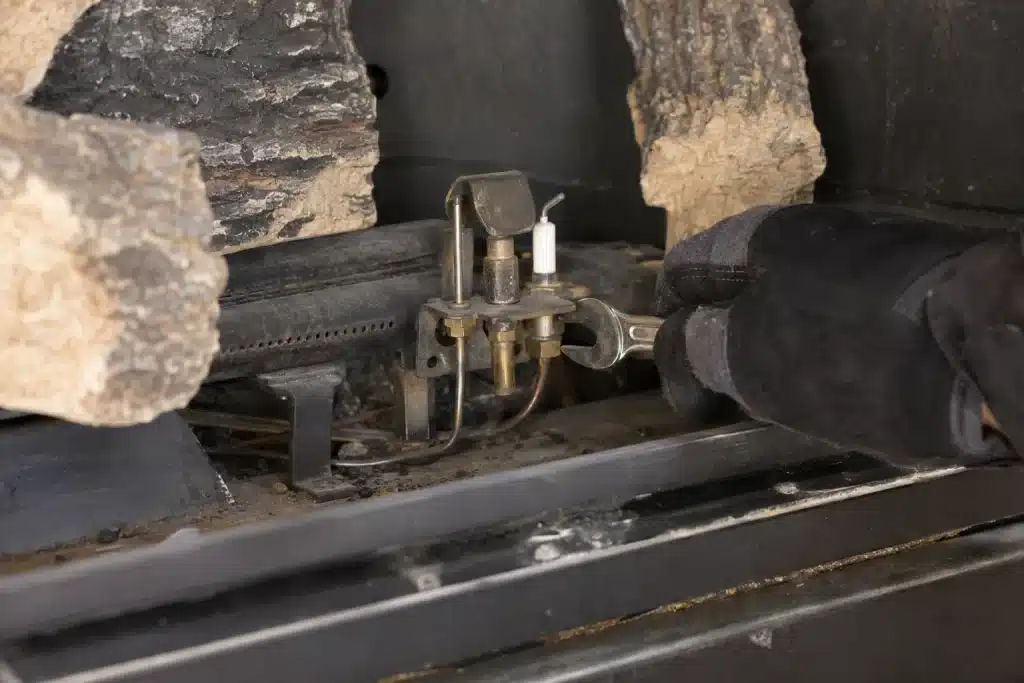
Condensation occurs when warm air meets a cold surface. This is common during winter when temperature differences are extreme. Gas appliances produce a lot of moisture during combustion. Unlined or improperly sized flues make this worse. The water droplets form inside and drip down. Installing a proper liner often solves condensation troubles. Getting the right diagnosis matters before spending money on repairs.
When to Schedule a Professional Chimney Inspection
Annual inspections catch problems before they become disasters. I recommend scheduling yours in early fall before heating season starts. A professional inspection covers every component thoroughly.
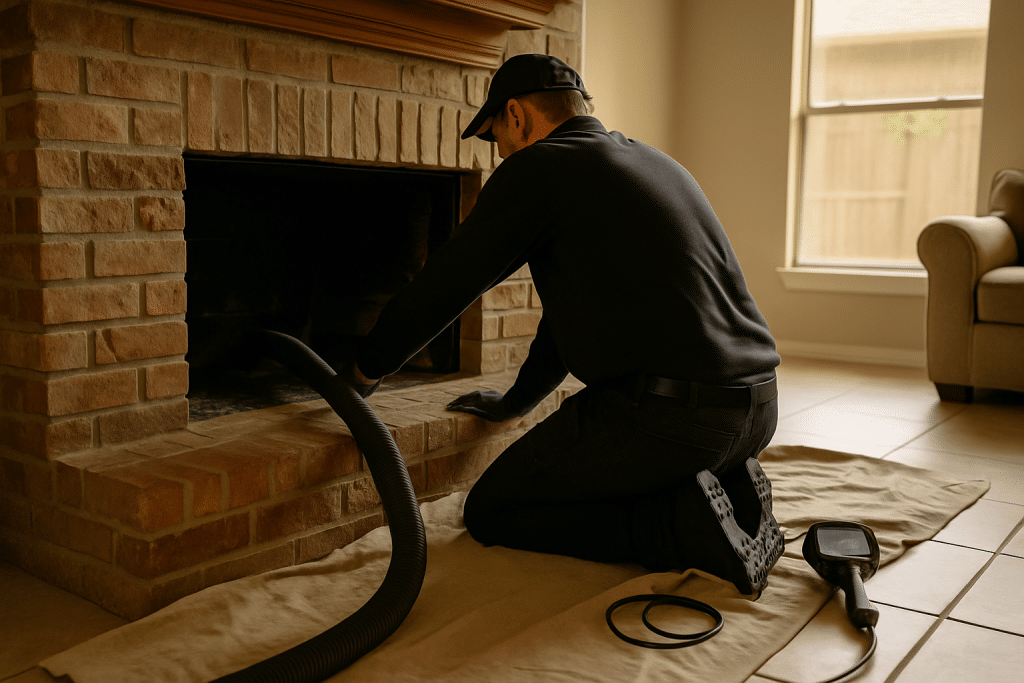
During my inspections, I check the crown, flashing, brick condition, and interior. Specialized cameras let me see inside the flue clearly. This reveals hidden cracks and buildup that cause problems. A chimney inspection also evaluates your cap and spark arrestor. For homes with heavy fireplace use, twice-yearly checks make sense. The investment in a professional service pays off big time. You’ll catch that chimney leak early and avoid expensive emergency repairs.
Keep Your Home Safe From Chimney Leak Damage All Winter Long
Winter weather puts maximum stress on your chimney system. Snow, ice, and freeze-thaw cycles test every weak point. Preparing properly keeps you protected all winter long.
Start by addressing any current chimney leak issues before cold weather hits. Apply waterproof sealant to brick surfaces that show wear. Make sure your cap is secure and undamaged. Clear debris from the crown area to ensure proper drainage. These steps prevent a leak from developing during the harshest months. I’ve seen too many homeowners wait until spring, only to find significant damage. Taking action now protects your home and your wallet. Schedule that inspection and handle repairs while the weather cooperates.
FAQ
Q: Can I fix a chimney leak myself?
A: Some minor tasks are DIY-friendly. You can apply waterproof sealant to the brick or replace a chimney cap. However, flashing work and crown repairs require professional skills. Working on roofs is dangerous without proper equipment; spring tension and structural knowledge are essential for bigger jobs. I suggest handling only ground-level maintenance yourself.
Q: How do I know if my chimney leak is serious?
A: Serious leaks show multiple warning signs. Water actively dripping during rain is concerning. Large stains spreading across ceilings indicate ongoing damage. Soft or spongy drywall means moisture has saturated the material. Visible mold growth requires immediate action. If you notice any of these, call a professional right away.
Q: Will homeowners' insurance cover chimney leak damage?
A: Coverage depends on your policy and the cause. Sudden damage from storms often qualifies for claims. However, gradual deterioration due to lack of maintenance is usually not covered. Insurance companies expect homeowners to maintain their chimneys. Document any storm damage immediately and contact your provider. Review your policy to understand what’s included.
Q: How long does chimney leak repair take?
A: Repair time depends on the scope of work. Cap replacement takes about an hour. Flashing repair usually requires 2-4 hours. Crown work might take a whole day. Extensive brick repair or waterproofing can span multiple days. Weather conditions affect scheduling, too. Most standard repairs are completed within one visit.
Q: Can a chimney leak cause mold in my house?
A: Absolutely. Moisture from chimney leaks creates perfect conditions for mold growth. Dark, damp spaces behind walls are especially vulnerable. Mold can develop within 24-48 hours of water exposure. Health problems follow, including respiratory issues and allergies. Addressing leaks quickly prevents mold from taking hold in your home.
Get in touch
- 17630 Davenport Rd Ste 108, Dallas, TX 75252
- +1 972 884 5553
- info@theonechimneysweep.com