A Camera-Verified Chimney Inspection, Documented for Every Dallas Homeowner
We identify which inspection tier fits your situation before you schedule anything.
Chimney Inspection in Dallas: Typical price $79 waived with repair
What a Chimney Inspection Actually Covers
A chimney inspection is a systematic evaluation of every component that keeps combustion gases out of your home.
That includes the firebox, smoke chamber, flue liner, crown, cap, and exterior masonry. A chimney inspection – the professional assessment of your chimney system’s structural condition, liner integrity, clearances, and buildup – goes well beyond what a general home inspector checks at closing. Most home inspections cover visible exterior damage only. They do not access the interior of the flue.
The flue liner is the inner channel of your chimney. It contains combustion gases and directs them safely out of the home. Liner cracks are one of the most common findings during a professional inspection. You cannot see them from the firebox opening.
The smoke chamber sits directly above the firebox. It compresses and channels smoke upward into the flue. Damage there is often invisible without a camera. That is exactly why camera access matters.
Here is what most Dallas homeowners don’t realize: the last professional chimney inspection on a resale home may have happened years before closing – or never at all.
Serving Dallas Flues Since 1991: From Oak Cliff Brick to Frisco Factory-Builts
Dallas chimneys are not all built the same – and that matters when you are choosing a chimney inspection service.
The Chimney Inspection & Sweep has worked DFW continuously since 1991. That is more than three decades of inspecting actual Dallas chimneys, not just reading about them.
In East Dallas and Oak Cliff, we regularly assess original masonry systems built in the 1950s and 1960s. Clay tile liners in those homes have had six decades to develop hairline cracks. Mortar joints erode gradually. Crowns settle.
In Frisco, Allen, and McKinney, the picture looks different. Subdivisions built between 2000 and 2015 used factory-built fireplaces with metal flue systems. Those systems have their own inspection requirements and failure points.
Dallas also brings a specific climate challenge. Extended heat through summer, followed by cold snaps in January and February, creates thermal expansion and contraction cycles that stress liner joints over time. With 850-plus verified reviews across platforms and 12 active crews, we have seen a large cross-section of DFW housing stock up close.

Here Is What We Document Before We Leave Your Property
Every chimney inspection we complete leaves you with a clear, documented account of what we found – not a verbal summary.
After the inspection, you receive a written report covering every component we assessed. If the camera captured liner damage, smoke chamber deterioration, or blockage, that finding is noted with specifics – location, extent, and recommended action.
You will not receive a vague answer. You will not be told “it looks okay” without knowing what was actually examined. That distinction matters most for homeowners deciding whether to use a fireplace after a long gap, or making a buying decision on a resale home.
Camera-based documentation also protects you if a repair is ever disputed. You have the documented pre-repair condition on file. One more thing: we route every homeowner to the correct inspection tier before they schedule. You do not need to know the NFPA 211 framework to call us. We ask the right questions and tell you which tier fits your situation.
Inside Our Camera-Based Inspection Method
Camera access inside the flue is the only way to assess liner condition accurately. Our inspection method includes:
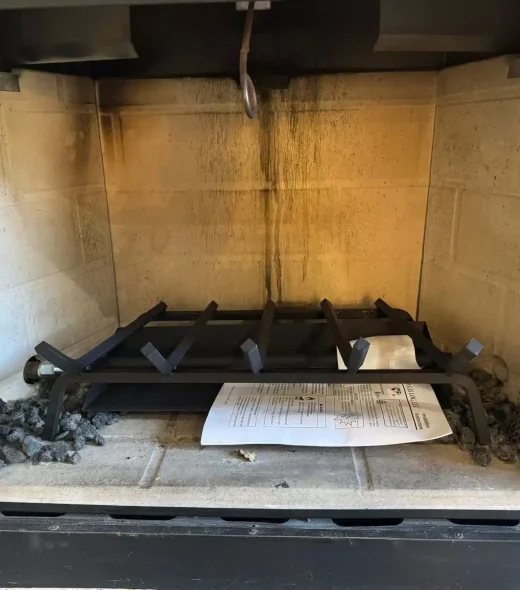
- Firebox assessment – condition of the firebox floor, back wall, and smoke shelf
- Smoke chamber evaluation – parging condition, corbeling integrity, and any visible spalling or deterioration
- Flue liner camera access – full-length visual documentation from firebox to cap; clay tile, cast-in-place, and stainless liner systems all assessed
- Crown and cap inspection – surface cracking, sealant condition, and cap fit
- Exterior masonry review – efflorescence, spalling, and mortar joint condition
- Clearance check – distances between the flue and combustible framing materials, per Dallas building standards
- Chimney draft – the upward airflow pattern that draws combustion gases out
Which Inspection Tier Applies to Your Situation
Diagnostics: Identifying Your Starting Point
The inspection tier system – defined by the NFPA 211 framework – sets the scope of access and assessment based on your circumstances. Has this chimney been used without a recent professional inspection? That points to Tier 1 (routine annual assessment, no access issues). Is this a home purchase, a recent fuel change, or a system unused for years? That points to Tier 2 (includes camera documentation and a more thorough assessment). Has the chimney been exposed to a chimney fire, structural event, or suspected hidden damage? That points to Tier 3 (involves physical access to areas behind walls or under roofing material). If you are not sure which applies, that is normal. We help you sort it out before you book.
Implementation: What Happens During the Visit
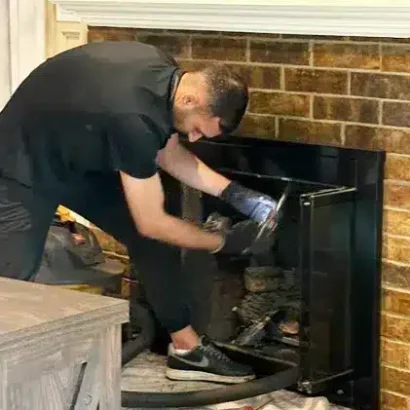
Our crew arrives with a mounted flue camera, inspection tools, and protective equipment for your home. We work through the component checklist systematically. Access panels, if needed for a Tier 2 or Tier 3 scope, are noted in advance. We do not rush. A thorough chimney inspection in Dallas typically takes 45 to 90 minutes depending on the system type and scope.
Post-Service Testing: What You Receive After
After the inspection, you receive your written documentation before the crew leaves. If repair is recommended, we explain the finding in plain language and outline your options. If the system is clear, we tell you that directly. Annual chimney maintenance plans are available for homeowners who want to keep their inspection on a regular schedule.
Pricing
Chimney Inspection Cost in Dallas
Typical price ranges for chimney inspection across Dallas and the DFW Metroplex. Smaller, simpler jobs sit at the low end.
| Service | Typical price |
|---|---|
| Chimney safety inspectionFireplace safety check plus cap, flashing and brick structure check. Waived when you book the repair. | $79 |
| Diagnostic or gas leak test | $125 – $140 |
| Service call | $79 |
Your exact price is confirmed on site before any work starts. Smaller, simpler jobs sit at the low end of each range. Our $79 chimney safety inspection is waived when you book the repair.
Dallas and DFW Communities We Inspect Year-Round
We cover the full Dallas-Fort Worth Metroplex – from the city core to the northern suburbs along I-75. We serve Dallas, Plano, Carrollton, Irving, McKinney, Frisco, Allen, Garland, Richardson, Addison, Arlington, and surrounding communities. Our 12 crews travel the I-635 and I-75 corridors regularly, covering East Dallas through Richardson, Plano, and north to McKinney and Frisco.
Schedule Your Chimney Inspection Along the I-75 Corridor Today
A documented chimney inspection gives Dallas homeowners a clear baseline – and a clear next step. Call 972-884-5553 or email info@theonechimneysweep.com to schedule. Let us know your address and a brief description of your situation. We will identify the right inspection tier for you before you book. The Chimney Inspection & Sweep has served DFW since 1991. More than 850 verified reviews across platforms reflect what consistent, camera-documented work looks like over time.
FAQ
How much does a chimney inspection cost in Dallas?
Call 972-884-5553 for current rates. Cost varies by inspection tier – Tier 1 covers a routine annual assessment, Tier 2 includes full camera documentation, and Tier 3 involves physical access beyond the firebox. We identify which tier fits your situation before you book, so you’re quoted for the right scope from the start.
How long does a chimney inspection take from camera setup to written report?
Most chimney inspections run 45 to 90 minutes on-site. Tier 1 is on the shorter end. Tier 2 and Tier 3 take longer because camera access and documentation are more detailed. Your written report is completed before the crew leaves – not emailed a few days later.
What does your camera-based inspection show that a visual check from the firebox doesn't?
A mounted flue camera documents the full length of the liner – every clay tile joint, every shadow, every crack that sits above the firebox opening. From the firebox, you can see roughly the first 12 inches of liner. The camera sees everything above that, including the smoke chamber and mid-flue sections where cracks most commonly develop.
I just bought a home in the DFW area - do I really need an inspection before the first fire?
Yes – every time, without exception. A general home inspection does not assess the flue interior. Hairline liner cracks, missing caps, collapsed smoke chamber parging, and animal nests are all invisible to a standard home inspector. A Tier 1 or Tier 2 inspection before first use gives you documented proof of what you’re actually lighting a fire inside.
Chimney repair is one of our main services.
We also offer a free home fire safety check at every service appointment.
Information
Service Areas
- Dallas
- Plano
- Carrollton
- Irving
- McKinney
- Frisco
- Allen
- Garland
- Richardson
- Addison
- Arlington
© 2024 – 2025 | All Rights reserved by The Chimney Inspection & Sweep
Powered By Rank First Labs