
Dryer Vent Cleaning Cost in Plano (2026 Guide)
May 28, 2026
- By
- The One Chimney Sweep
- Dryer Vent & Chimney Service Experts
Many homeowners assume dryer vent cleaning is a quick $50 add-on that doesn’t change much from year to year. At The One Chimney Sweep, we’ve been helping homeowners understand dryer vent cleaning cost in Plano (2026 Guide) considerations for years of experience, and we’ve noticed the biggest surprises usually come from hidden buildup and long vent runs. We recently inspected a two-story Plano home where the dryer was taking two cycles to dry towels. The homeowner thought it was a failing appliance, but the real issue was a 28-foot vent line packed with compacted lint. Ignoring that problem doesn’t just waste energy – it increases fire risk. The U.S. Fire Administration reports thousands of dryer fires each year, many tied directly to neglected vents. If you’re unsure how your system compares, start with our dryer vent cleaning overview before reviewing 2026 pricing factors.
Standards, Tools, and Quality Benchmarks
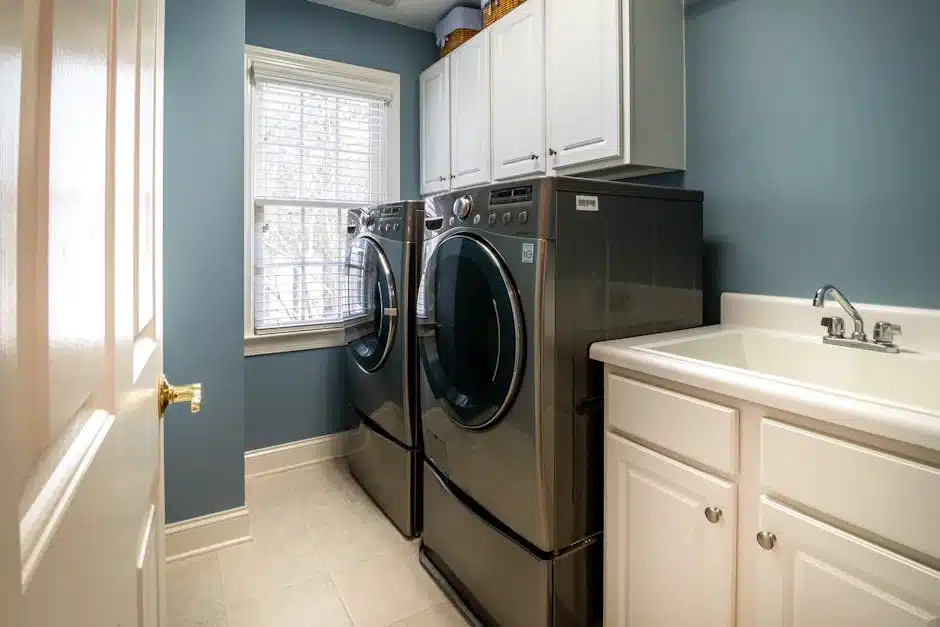
Thorough dryer vent cleaning is a mechanical process, not a quick vacuum at the wall. The most important best practices focus on full-line access, airflow verification, and code compliance. We approach every system with the assumption that hidden restrictions may exist in elbows, transition ducts, or roof terminations. A professional-grade service should include:
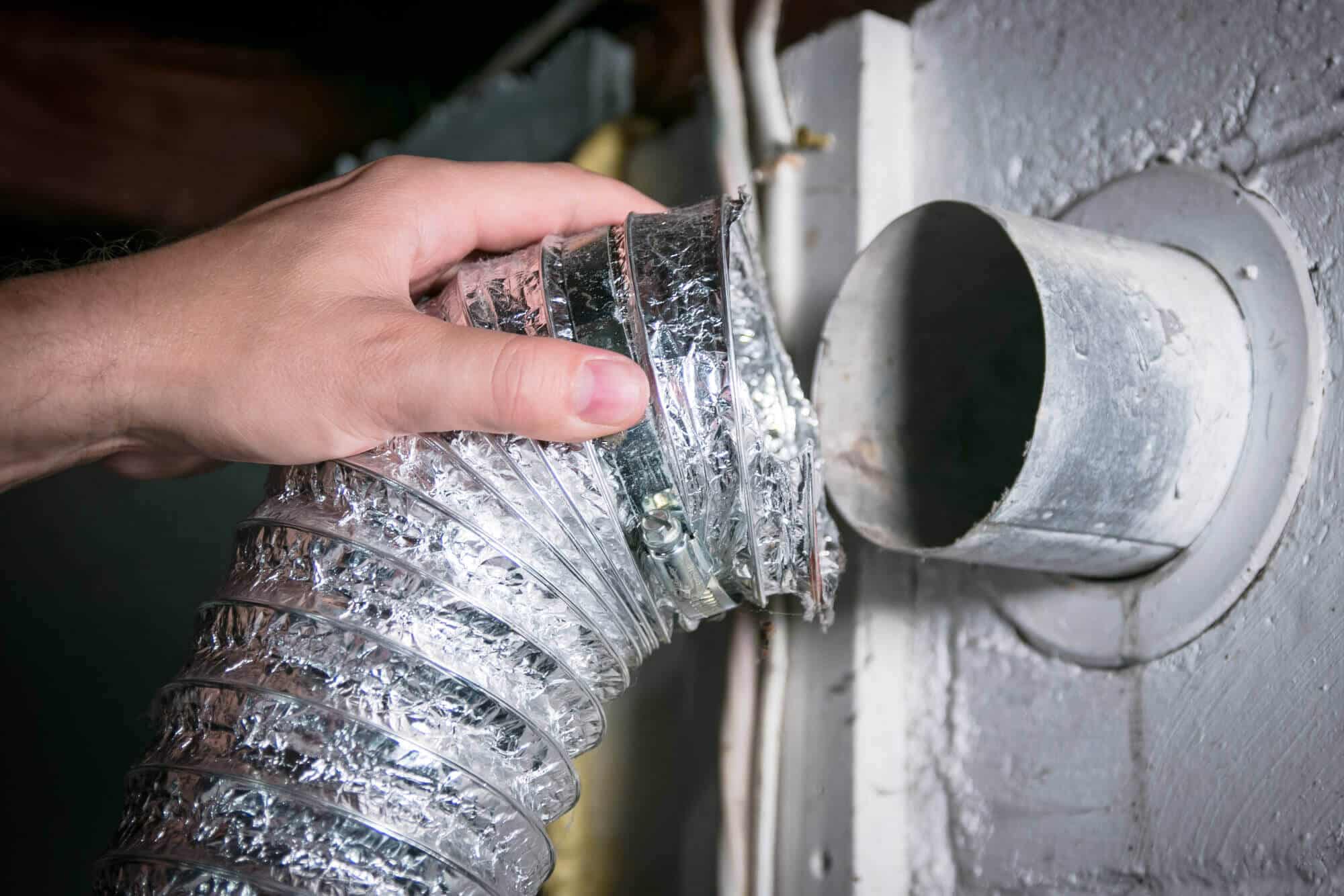
- Disconnection and inspection of the transition duct (typically 4-inch semi-rigid or rigid metal, not foil or plastic).
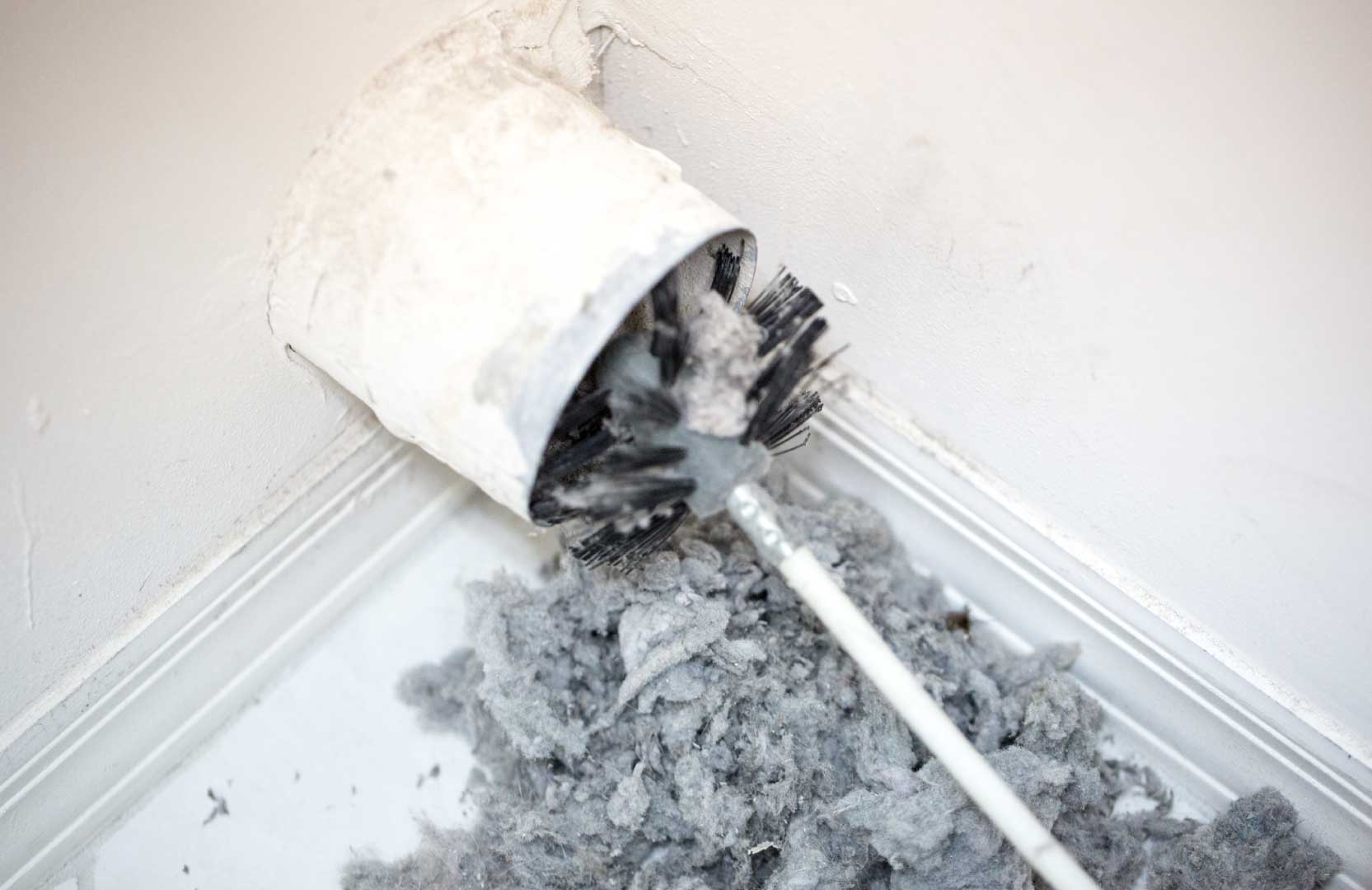
- Rotary brush cleaning through the entire duct length, including elbows and vertical runs.
- Exterior termination cleaning and damper verification.
- Airflow testing or performance verification after cleaning.
- Visual check for IRC M1502 compliance, including duct length limits (often 35 feet maximum, reduced per elbow).
Timeframes, Variables, and Budget Planning
In 2026, dryer vent cleaning cost in Plano typically falls between $120 and $250 for a standard single-story home with a short, accessible vent run. More complex systems may range from $250 to $450 or more, particularly for second-story laundry rooms with long attic or roof terminations. Several factors influence pricing:
- Site complexity: Roof access, steep pitches, or tight attic spaces increase labor time.
- Material condition: Damaged or non-compliant ducts (foil, crushed flex line) may require replacement.
- Total scope: Bird guard removal, booster fan cleaning, or duct rerouting adds to the service.
Schedule a Quick Vent Assessment
If you’re unsure whether your dryer vent system is operating safely or efficiently, we can perform a focused inspection and airflow check. Our team evaluates duct length, termination type, code compliance, and visible lint accumulation so you understand exactly what condition your system is in before committing to full service. We provide clear explanations, realistic cost ranges, and practical recommendations based on your home’s layout. Whether your concern is extended dry times, a recent home purchase, or routine annual maintenance, we’ll outline the next steps so you can make an informed decision. A short assessment today can prevent higher repair costs and reduce fire risk down the road.
FAQs
How often should dryer vents be cleaned in Plano?
Most homeowners in Plano benefit from professional dryer vent cleaning once per year. Households that run multiple loads daily – large families, pet owners, or short-term rental properties – may need service every 6 – 9 months. The frequency depends on lint production, vent length, and appliance efficiency. Longer vent runs, especially those routed through attics or terminating at the roof, accumulate lint faster because airflow resistance is higher. Each 90-degree elbow reduces effective vent length under IRC M1502 guidelines, which means systems near the maximum allowable length are more prone to restriction. If your dryer takes longer than one cycle to dry towels, feels unusually hot, or the exterior vent hood barely opens during operation, those are practical signs service is due. Annual maintenance also supports manufacturer warranty requirements, as many brands specify keeping exhaust ducts clear to prevent overheating and component failure.
What causes dryer vent cleaning costs to increase?
Costs typically rise when access becomes more difficult or when the system has underlying issues beyond routine lint removal. A straightforward ground-level wall termination is faster and safer to service than a steep roof vent requiring ladder stabilization and additional safety setup. Hidden problems also affect pricing. Crushed semi-rigid ducts, disconnected joints in the attic, bird nests inside exterior hoods, or excessive vent length beyond code limits require corrective work. In some Plano homes, laundry rooms located in interior spaces result in 25 – 35 foot vent runs, which take longer to clean thoroughly. Booster fans add another layer of complexity because they must be disassembled and cleared properly. When evaluating estimates, ensure the contractor plans to clean the entire duct length, not just the entry point behind the dryer. Partial cleaning may cost less upfront but leaves risk behind.
How much does dryer vent cleaning cost in Plano in 2026?
In 2026, dryer vent cleaning in Plano may range from $120 to $250 for a basic, easily accessible system. More complex configurations could range from $250 to $450 or higher. Roof terminations, long attic runs, or multi-unit properties can increase labor time and safety requirements. Three primary variables affect price:
- Site complexity, including height, attic access, and roof pitch.
- Material costs if damaged duct sections require replacement.
- Total scope of work, such as booster fan cleaning or code corrections.
Can I clean my dryer vent myself instead of hiring a professional?
Homeowners can perform basic maintenance, such as cleaning the lint trap after every load and vacuuming around the dryer connection point. Short, straight vent runs that exit directly through an exterior wall may be manageable with a high-quality rotary brush kit designed for 4-inch metal ducts. However, longer systems – especially those running through attics or terminating at the roof – carry higher risk. Brush heads can detach inside ducts, flexible rods can puncture thin foil ducts, and roof access introduces fall hazards. We’ve seen homeowners push lint deeper into elbows instead of removing it, reducing airflow further. Professional service includes full-length cleaning, termination inspection, airflow verification, and code review. If your system exceeds 15 – 20 feet, includes multiple elbows, or has a roof cap, professional service is usually the safer and more thorough option.
What are the warning signs that my dryer vent needs cleaning?
The most common warning sign is extended drying time. If towels require two or three cycles, airflow is likely restricted. A hot dryer exterior, a burning or musty odor during operation, and excessive lint around the vent hood are additional indicators. Outside your home, check whether the exterior damper fully opens when the dryer runs. Weak airflow or a flap that barely moves suggests blockage. Inside, increased humidity in the laundry room can indicate poor exhaust performance. You might also notice lint accumulation behind the dryer or in the transition duct. Semi-rigid metal ducts should remain round and unobstructed. If crushed or kinked, replacement improves airflow immediately. Addressing these signs early reduces fire risk and helps prevent premature failure of heating elements, thermostats, and thermal fuses.
Are there common dryer vent issues specific to Plano homes?
Yes. Many Plano homes feature second-story laundry rooms with vent lines routed vertically through interior walls or attics. These longer runs approach the IRC maximum length and are more prone to airflow restriction. High attic temperatures during summer can dry and compact lint, forming dense layers along horizontal duct sections. We also encounter roof terminations where wind-driven debris or birds obstruct the vent cap. Without proper screening designed for dryer exhaust use, nests can form quickly. Another common issue involves older flexible foil ducts installed during construction. These are no longer recommended under modern code because they trap lint and crush easily. Upgrading to rigid or semi-rigid metal ducting improves airflow and safety. Regular inspection in Plano’s climate helps identify these layout-specific challenges before they become costly repairs.
What should I look for when hiring a dryer vent cleaning professional?
Start by confirming the company carries general liability insurance and has experience with residential venting systems. Ask whether they follow NFPA and International Residential Code guidelines, and whether they clean the entire duct length, including the exterior termination. Quality providers use rotary brush systems, HEPA-filtered vacuums, and proper access techniques rather than simply blowing compressed air from one end. A detailed explanation of what the service includes is a good sign. Vague promises of a five-minute cleaning often indicate surface-level work. You should also expect a discussion of duct material, length limits, and any code concerns observed during inspection. Transparent pricing ranges and an on-site assessment before finalizing costs demonstrate professionalism and reduce surprises.
When is dryer vent cleaning urgent versus routine?
Dryer vent cleaning is usually preventive maintenance, but certain signs warrant faster scheduling. A strong burning smell during operation, visible lint accumulation around the dryer base, or a vent hood that does not open at all while the dryer runs indicate significant restriction. If the dryer repeatedly shuts off mid-cycle, overheats, or triggers thermal fuse issues, airflow may be critically reduced. In these cases, stop using the appliance until the vent system is inspected. Continuing to run the dryer under restricted airflow increases fire risk. For routine situations – such as slightly longer drying times without odor or heat buildup – schedule service within the next few weeks. Acting promptly prevents minor buildup from turning into a safety hazard and keeps the appliance operating within manufacturer temperature limits.

Our mission is to save lives by providing superior service at reasonable prices.
Chimney repair is one of our main services.
We also offer a free home fire safety check at every service appointment.
Chimney repair is one of our main services.
We also offer a free home fire safety check at every service appointment.
Information
Service Areas
- Dallas
- Plano
- Carrollton
- Irving
- McKinney
- Frisco
- Allen
- Garland
- Richardson
- Addison
- Arlington
© 2024 – 2025 | All Rights reserved by The Chimney Inspection & Sweep
Powered By Rank First Labs