
Chimney Crown Repair Cost in Dallas (2026 Guide)
April 17, 2026
- By
- The One Chimney Sweep
- Chimney Service Experts
Water stains on the ceiling near your fireplace often start at the very top of the chimney. At The One Chimney Sweep, we’ve been helping Dallas homeowners understand chimney crown repair cost in Dallas for years of experience, and we’ve noticed most leaks begin with hairline cracks in the crown that were ignored too long. In our work across Dallas, we’ve seen crowns that looked “fine” from the ground but were already separating along the edges. What surprises many homeowners is how quickly a small crack can lead to interior drywall damage, mold growth, and flue liner deterioration. We break down the structural role of the crown in detail in our chimney crowns guide, but in this article, we’ll focus specifically on costs, causes, and how to plan your repair wisely.
What Quality Chimney Crown Work Should Include
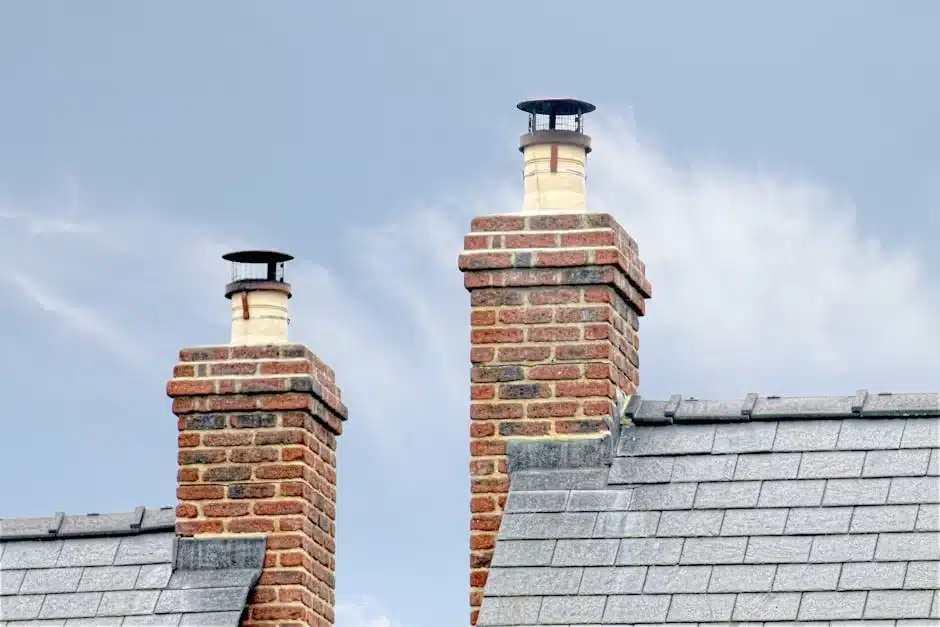
The most important best practice is proper crown design and material selection. A crown is not just a thin mortar wash; it must be a reinforced concrete slab with slope and drip edge. When done correctly, it sheds water and protects the entire chimney system. Quality chimney crown repair or replacement should include:
- Minimum 2-inch concrete thickness at the thinnest point.
- Proper slope (at least 1/4 inch per foot) away from the flue.
- Expansion gap between flue tile and crown, sealed with high-temperature silicone or polyurethane sealant.
- Reinforcement with galvanized or stainless steel mesh.
- 2-inch overhang with a formed drip edge.
Cost Ranges, Timelines, and How to Avoid Repeat Repairs
Chimney crown repair cost in Dallas (2026 Guide) depends heavily on the extent of damage. Minor crack sealing with elastomeric crown sealant may range from $350 to $850. Partial resurfacing might fall between $900 and $1,800. Full crown replacement with reinforced concrete can range from $1,800 to $3,500 or more, depending on height and access. Three primary variables affect price:
- Site complexity (steep roof pitch, multi-story access, scaffolding needs).
- Material costs (reinforcement mesh, sealants, concrete mix design).
- Total scope (related masonry, flue tile repair, or flashing updates).
Schedule a Detailed Chimney Crown Evaluation
If you’re noticing cracks, leaks, or aging concrete at the top of your chimney, the next step is a thorough inspection. We evaluate crown thickness, slope, sealant joints, and surrounding masonry to determine whether repair or full replacement makes financial sense. Our team provides clear documentation, realistic cost ranges, and a scope of work that aligns with NFPA standards. Addressing crown damage early protects your chimney structure, interior finishes, and long-term property value. Schedule an on-site assessment and get a detailed plan tailored to your Dallas home.

FAQs
How much does chimney crown repair typically cost in Dallas?
Chimney crown repair in Dallas typically depends on the severity of cracking and whether the structure needs resurfacing or full replacement. Minor crack sealing with an elastomeric coating may cost several hundred dollars, while full crown replacement with reinforced concrete may reach a few thousand. Roof height, pitch, and accessibility significantly influence labor costs. In our experience, many Dallas homes with steeper rooflines require additional safety setup, which increases pricing. The key factor is catching damage early – small cracks are far less expensive to address than crowns that have already allowed water into the brick and flue system.
What’s the difference between a chimney crown and a chimney cap?
A chimney crown is the concrete slab at the very top of the chimney structure that seals the masonry from water intrusion. A chimney cap is a metal cover installed over the flue opening to keep out rain, animals, and debris. They serve different purposes but work together. The crown protects the brick structure itself, while the cap protects the flue interior. In Dallas storms, both components are critical. We often see situations where a cap is intact but the cracked crown beneath it is allowing water into the brickwork, causing hidden damage.
How long does chimney crown replacement take and what affects the price?
Most chimney crown replacements can be completed in one working day, though curing time may require 24 – 48 hours before heavy rain exposure. Pricing may range from the high hundreds to several thousand dollars depending on site complexity, material costs, and total scope of work. A steep roof or multi-story home can increase labor time. Higher-grade reinforcement materials and sealants can raise material costs. If surrounding masonry or flashing also needs repair, the overall scope expands. These figures are preliminary benchmarks for informational purposes only and do not constitute a binding quote. An on-site evaluation is required for a final proposal.
Can I repair a chimney crown myself?
Small, hairline surface cracks can sometimes be sealed with a manufacturer-approved elastomeric crown sealant if the concrete is otherwise structurally sound. However, structural cracks, crumbling edges, or improper slope require professional repair. Forming and pouring a reinforced crown involves proper thickness, expansion joints around the flue tile, and drip edge formation. Without these details, water can pool and re-enter the masonry. In Dallas, extreme summer heat can also cause improper curing if materials are not handled correctly. For anything beyond minor cosmetic sealing, professional evaluation is strongly recommended.
What are the warning signs that my chimney crown needs repair?
Common warning signs include visible cracks, chunks of concrete missing from the top, rust stains near the flue, and water stains on ceilings near the fireplace. You may also notice loose brick or deteriorating mortar near the top courses. In Dallas, rapid temperature swings and intense sun exposure often accelerate crown cracking. We advise checking for a proper overhang and drip edge – if water runs directly down the brick face, the crown may be undersized. Annual inspections help catch these issues before they escalate into larger masonry or interior damage.
Why are chimney crown issues common in Dallas?
Dallas experiences intense UV exposure, high summer temperatures, and occasional freeze events in winter. That combination causes expansion and contraction cycles in concrete crowns. Over time, small cracks widen and allow water penetration. Heavy rainstorms further stress weak crowns, especially those that were built with thin mortar wash instead of reinforced concrete. We frequently see older chimneys in Dallas neighborhoods where crowns were not constructed with adequate slope or drip edges. These design shortcomings become more obvious after years of exposure to local weather conditions.
What should I look for when hiring a chimney professional?
Look for a company that follows NFPA 211 inspection standards and documents crown conditions with photos. Proper insurance coverage and clear written scopes of work are essential. Ask whether the repair will include reinforcement, expansion joints around the flue tile, and a formed drip edge. A proposal that only mentions a thin mortar layer without discussing slope or thickness often indicates a temporary fix. Experienced professionals should also evaluate related components such as flashing and upper masonry to ensure the leak source is correctly identified.
Is a cracked chimney crown an urgent issue?
A cracked chimney crown is rarely an immediate emergency, but it should not be ignored. The primary risk is water intrusion, which can lead to masonry deterioration, interior staining, and possible flue liner damage over time. If you notice active leaking after a storm, place protective coverings inside near the fireplace and schedule an inspection promptly. Avoid climbing onto the roof without proper safety equipment. Addressing cracks early prevents more extensive structural repairs and keeps long-term maintenance costs under control.
Our mission is to save lives by providing superior service at reasonable prices.
Chimney repair is one of our main services.
We also offer a free home fire safety check at every service appointment.
Chimney repair is one of our main services.
We also offer a free home fire safety check at every service appointment.
Information
Service Areas
- Dallas
- Plano
- Carrollton
- Irving
- McKinney
- Frisco
- Allen
- Garland
- Richardson
- Addison
- Arlington
© 2024 – 2025 | All Rights reserved by The Chimney Inspection & Sweep
Powered By Rank First Labs