

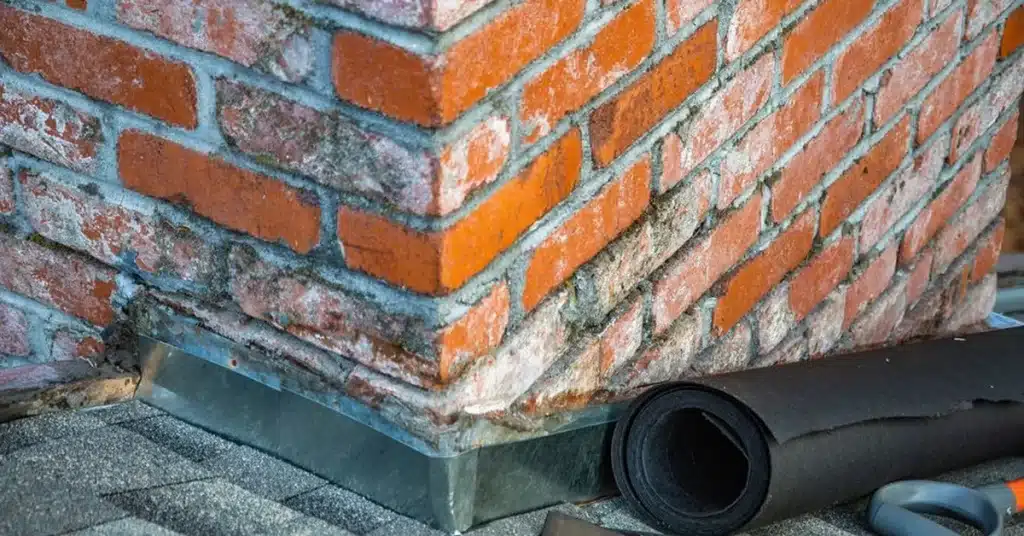
The Do's and Don'ts of Fireplace Safety | Best Tips
There’s nothing quite like a crackling fire on a cold winter night. The warmth, the glow, the cozy atmosphere – it just feels like home. But here’s the thing. Without proper fireplace safety habits, that cozy scene can turn dangerous in a flash. I’ve been helping homeowners maintain their fireplaces for years now. I’ve seen what happens when people skip essential steps. The good news? Keeping your family safe is simpler than you think. Let me walk you through the do’s and don’ts that really matter.
Why Fireplace Safety Should Be Your Top Priority
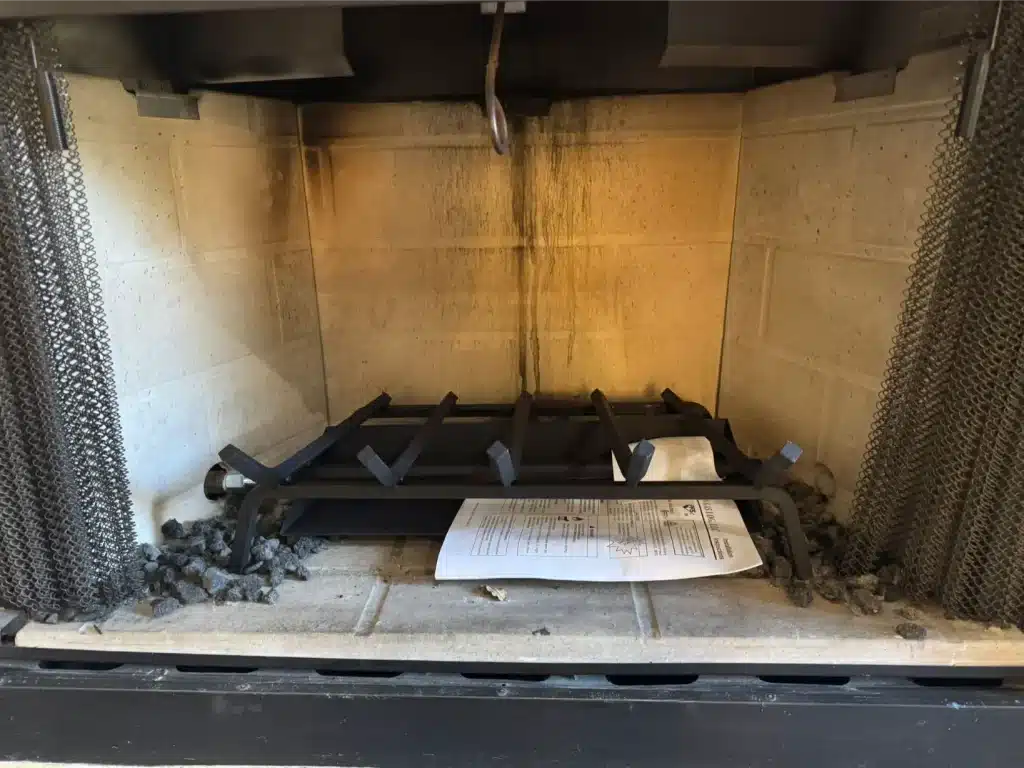
Every year, thousands of house fires start from fireplaces. That’s a scary number, but it doesn’t have to be your story. Fireplace safety isn’t complicated at all. It just takes some awareness and good habits built over time.
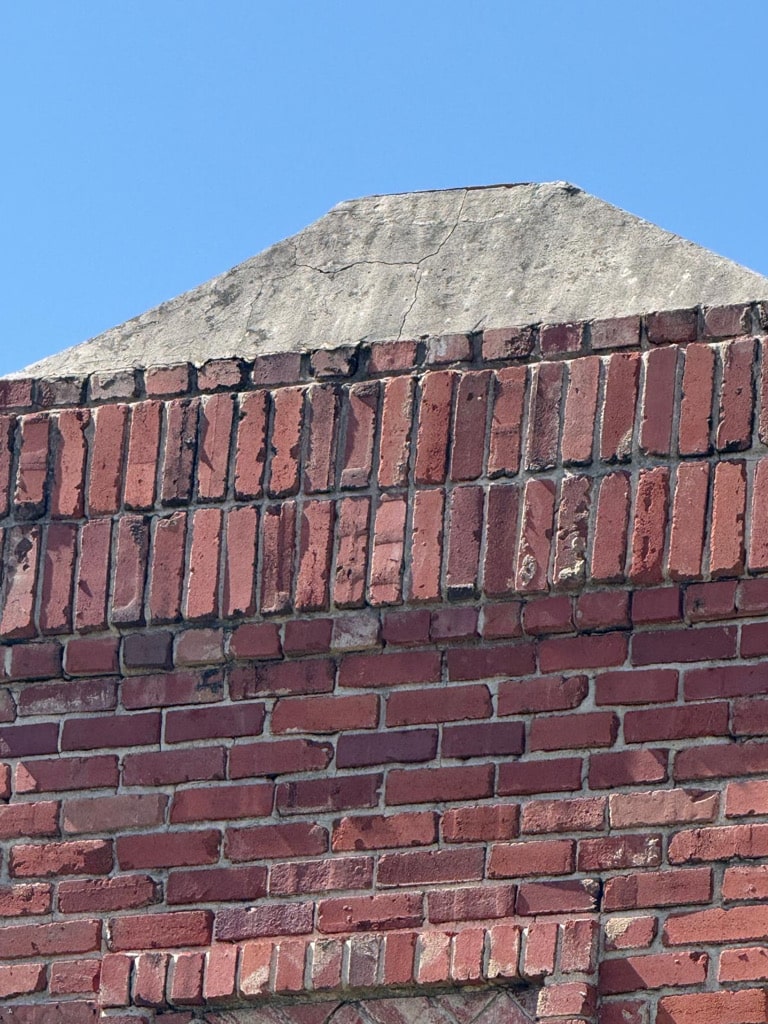
I’ve worked with families who thought they were doing everything right. Then we found cracks in their chimney or buildup that they never noticed. Minor issues become big problems when you add fire to the mix. Taking fireplace safety seriously protects your home and everyone in it. Think about it this way. Your fireplace is an open flame inside your house. That deserves respect and attention every single time you use it.
Essential Fireplace Safety Tips for Wood-Burning Fireplaces
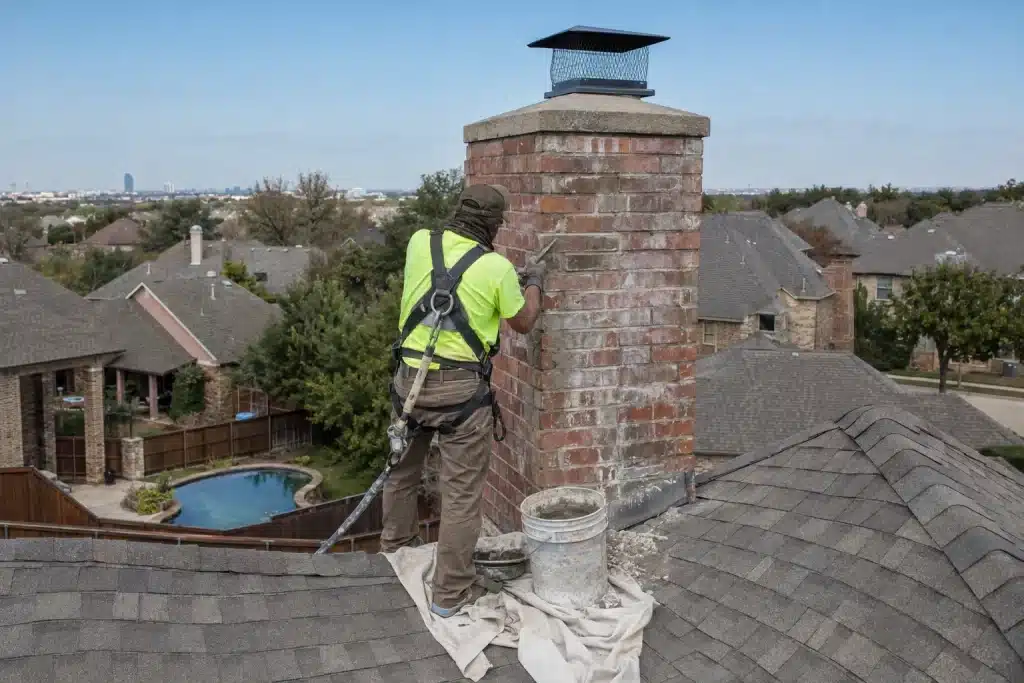
Wood-burning fireplaces need extra care and attention from homeowners. They produce creosote, a flammable substance that builds up in your chimney. This is why wood-burning fireplace safety starts with regular inspections. I recommend having your chimney checked at least once a year.
Always burn seasoned hardwood that’s been dried for at least 6 months. Wet or green wood creates more smoke and creosote buildup. It also doesn’t burn as hot, which means less heat for you. Stick to clean, dry wood, and you’ll have better fires. Never leave a fire unattended, even for just a few minutes. Things can change quickly when flames are involved. These simple fireplace safety habits can truly prevent disasters.
Keeping Your Flue Clean and Clear
Your flue is the pathway that carries smoke out of your home. When it gets blocked or dirty, bad things happen fast. Smoke backs up into your living space. Carbon monoxide levels rise without warning. Fire risk increases dramatically, too.
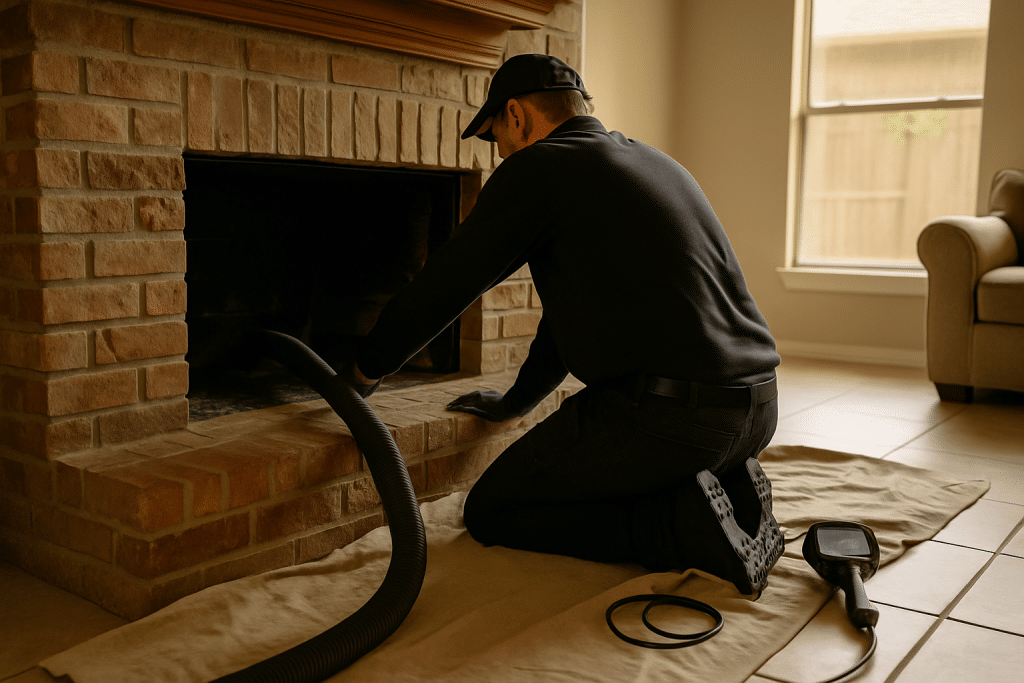
I always tell homeowners to have their flue inspected annually without fail. A professional can easily spot blockages caused by animal nests or debris. They’ll also check for creosote buildup that needs immediate cleaning. Don’t skip this step ever. Your flue is critical for proper fireplace safety and operation. Good airflow through a clean flue keeps everyone breathing easy.
Starting a Fire in a Fireplace the Right Way
Starting a fire in a fireplace seems simple enough to most people. But there’s actually a right way and a wrong way. Open your damper first before anything else. This allows smoke to escape rather than fill your room. I’ve seen so many people forget this basic step.
Use newspaper or fire starters at the bottom of your setup. Add kindling in a crisscross pattern on top of that. Then place your logs, leaving space for air circulation between them. Never use gasoline, lighter fluid, or other accelerants for this. These create dangerous flare-ups that can spread incredibly fast. Build your fire toward the back of the firebox area. This helps direct smoke up the chimney properly every time.
Choosing the Right Fireplace Tools
Good fireplace tools make a real difference in both convenience and safety. Here’s what every fireplace owner should have on hand:
- A sturdy poker for adjusting logs safely
- Long-handled tongs for moving burning wood around
- A metal ash shovel for cleanup after fires
- A spark screen to contain flying embers
These fireplace tools keep you at a safe distance from flames. They give you control without putting your hands at risk anywhere. I’ve used the same quality set for over a decade now. Invest in good tools, and they’ll last you for years. Proper fireplace safety starts with having the right equipment ready.
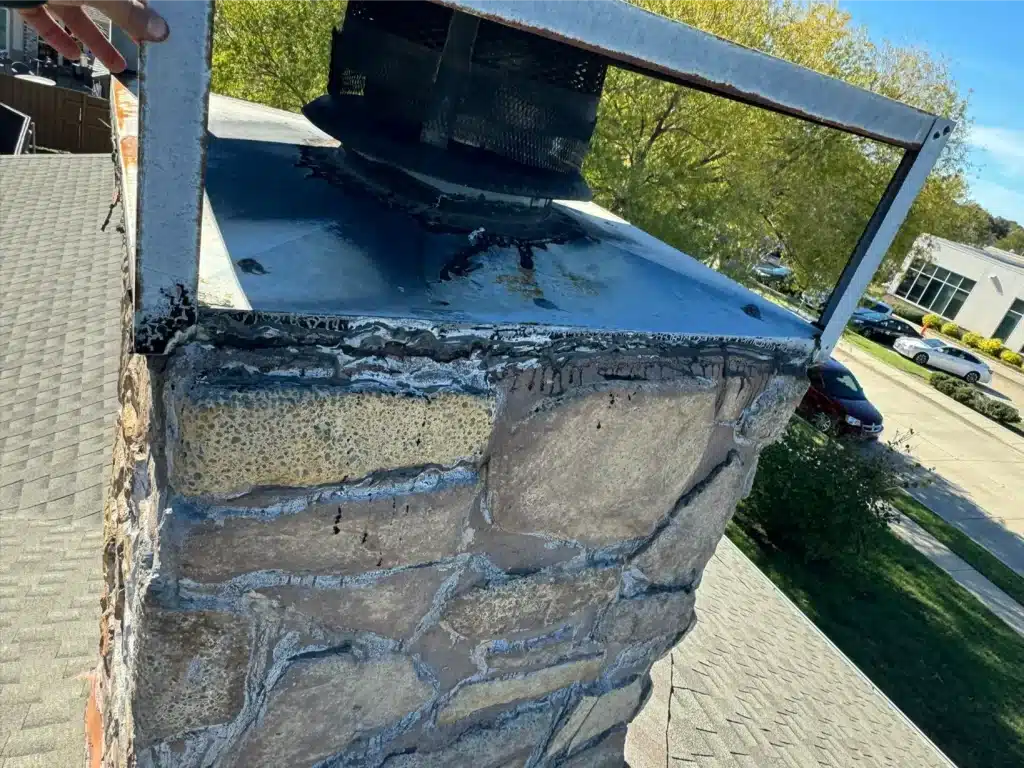
Gas Fireplaces and Carbon Monoxide Detectors
Gas fireplaces have different concerns than wood-burning units do. They don’t produce visible smoke, so problems aren’t always obvious. That’s why having a carbon monoxide detector is essential for safety. Install one near your fireplace and check the batteries regularly.
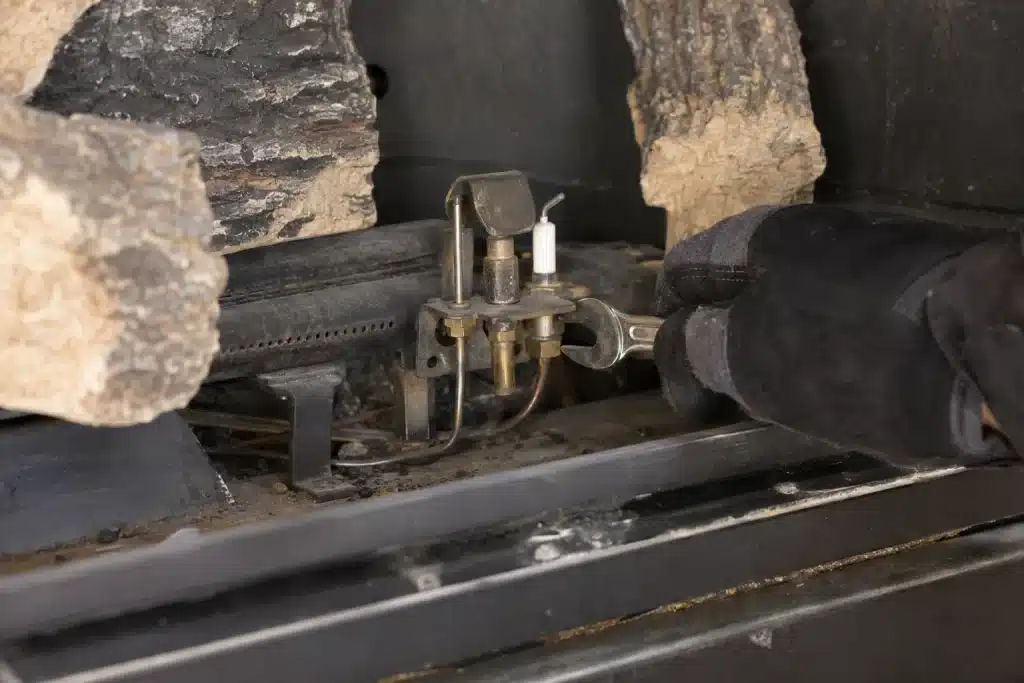
Gas fireplaces need annual professional inspections, too, just like wood-burning ones. Technicians look for gas leaks, pilot light issues, and ventilation problems. These aren’t things you can easily spot yourself at home. Trust me, the inspection cost is worth your family’s wellbeing. Keep the area around your gas unit clear of clutter. Don’t store anything flammable nearby either. Fireplace safety with gas means always being careful about invisible dangers.
Proper Ash Removal to Prevent Home Fires
Ash removal is part of regular fireplace maintenance and is very important. But timing is critical here. Let the ash cool for at least 24 hours before removing any. Those ashes can hold heat much longer than you’d expect. I’ve seen hot coals that looked completely dead cause problems.
Always use a metal container with a tight lid for ash disposal. Never use cardboard, plastic, or paper bags for this task. Store the container outside, away from your home and any flammable materials. Many home fires start from improperly disposed of ash each year. Leave about an inch of ash in your fireplace when cleaning up. This actually helps insulate and reflect heat into the room nicely. Proper fireplace safety includes smart ash management habits.
Final Thoughts on Fireplace Safety and Chimney Care
Taking care of your fireplace and chimney isn’t hard work at all. It just requires consistency and attention to small details over time. Schedule that annual inspection every single year without fail. Use the right fuel and tools for every fire you build.
Your fireplace should bring you joy, not stress or worry. By following these fireplace safety guidelines, you can relax completely. I’ve seen firsthand the difference good habits make in homes. It’s always worth the small effort involved. Keep your carbon monoxide detector working correctly at all times. Clear away flammable items from the area regularly. Teach your family the basics of fireplace safety, too. A little preparation goes a long way toward keeping everyone safe.

FAQ
Q: How often should I have my chimney inspected for fireplace safety?
A: You should have your chimney inspected at least once per year. If you use your fireplace frequently during winter, consider having it inspected twice a year. A professional will check for creosote buildup, cracks, and blockages. They’ll also examine your flue and damper for proper operation. Annual inspections catch minor problems before they become dangerous or expensive issues.
Q: Can I go to sleep with a fire still burning in my fireplace?
A: No, you should never sleep with an active fire burning. Always let your fire burn down completely before going to bed. Make sure the embers have cooled significantly and close your damper. Hot embers can pop and send sparks onto nearby surfaces. Unattended fires are one of the leading causes of home fires during the winter months.
Q: What type of wood is safest to burn in my fireplace?
A: Seasoned hardwoods like oak, maple, and hickory are the safest choices. These woods have been dried for at least 6 months. They burn cleaner and produce less creosote than softwoods or green wood. Avoid burning treated lumber, painted wood, or particle board. These release toxic chemicals and create dangerous buildup in your chimney.
Q: How do I know if my carbon monoxide detector is working correctly?
A: Test your carbon monoxide detector monthly by pressing the test button until it beeps. Replace batteries at least once per year, or when the low battery warning sounds. Most detectors need to be replaced every 5 to 7 years. Check the manufacturer’s date on your unit to know when a replacement is due.
Q: Is it safe to use my fireplace if I notice a strong smell?
A: A strong or unusual smell means you should stop using your fireplace immediately. Odd smells can indicate gas leaks, creosote buildup, or animal debris in your chimney. Open windows to ventilate your home and call a professional for inspection. Please don’t restart your fireplace until a technician has cleared it as safe to use.
Q: What should I do if a fire gets out of control in my fireplace?
A: First, close your fireplace screen or glass doors if possible. Never throw water on a fireplace fire, as this creates steam and can crack your firebox. Use a fire extinguisher rated for wood fires if flames spread. If the fire escapes the firebox, evacuate your home immediately and call 911 from outside.
Get in touch
- 17630 Davenport Rd Ste 108, Dallas, TX 75252
- +1 972 884 5553
- info@theonechimneysweep.com