

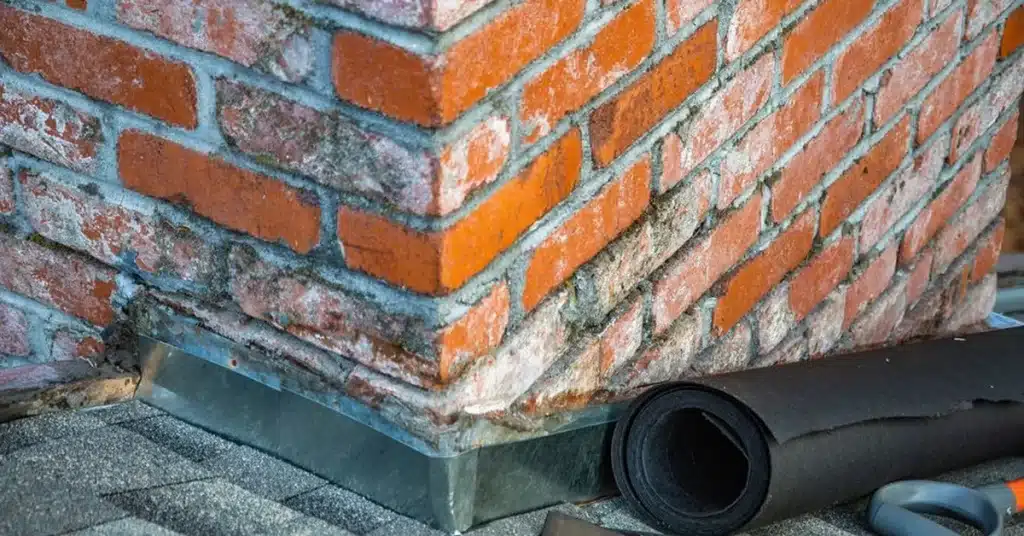
Fireplace Code In Dallas, Texas, Explained
Consider adding a fireplace to your Dallas home. You need to know the rules first. The City of Dallas has adopted the 2021 International Residential Code with local amendments. These regulations keep your family safe and your home up to standard. I have worked on countless fireplace installations across the Dallas area. Trust me, understanding fireplace code before you start saves headaches down the road. Let’s break down exactly what you need to know.
What Is Fireplace Code and Why Does It Matter?
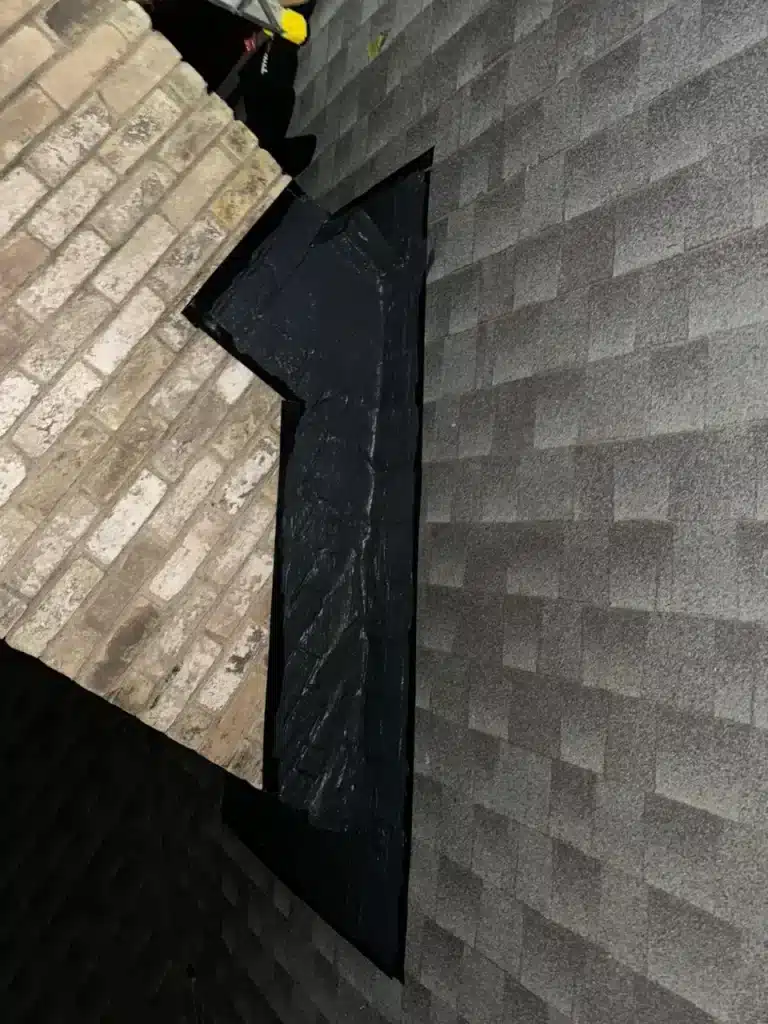
Fireplace code refers to the specific regulations governing how fireplaces must be built and installed. These rules exist because fireplaces involve extreme heat near your home’s structure. Without proper guidelines, fires can spread to walls, floors, and framing.
In Dallas, the fireplace code falls under Chapter 10 of the IRC. This chapter covers everything from masonry construction to factory-built units. I have seen homeowners skip the permit process, thinking their project is simple. That decision almost always backfires during inspections or home sales. The code protects your investment and your family’s safety.
Understanding The International Residential Code For Fireplaces
The International Residential Code serves as the foundation for Dallas fireplace regulations. The IRC provides detailed specifications for hearth construction, clearance distances, and material requirements. Dallas adopted the 2021 version with some local amendments.
Section R1001 covers masonry fireplaces specifically. This section outlines minimum wall thicknesses, firebox dimensions, and hearth requirements. The IRC sets standards that builders across the country follow. When you hire a contractor, make sure they are familiar with these current codes. Outdated knowledge leads to failed inspections and costly rebuilds.
IRC Hearth Extension Requirements You Must Know
Your hearth extension needs specific dimensions under the fireplace code. For openings smaller than 6 square feet, the hearth must extend at least 16 inches in front. It also needs to stretch 8 inches beyond each side of the opening.
Got a larger firebox? Openings of 6 square feet or bigger require more coverage. The hearth extension must reach 20 inches in front and 12 inches past each side. Here are the thickness requirements:
- Hearth minimum thickness: 4 inches
- Hearth extension minimum: 2 inches thick
- Raised firebox exception: 3/8 inch if the opening sits 8 inches above the extension
- Materials: concrete, masonry, tile, or approved noncombustible options
- Support: must rest on noncombustible materials only
Fireplace Code Clearance To Combustibles In Dallas
Clearance to combustibles is the most critical aspect of the fireplace code. Wood framing, trim, and other combustible materials must be kept at specific distances from your fireplace. Getting this wrong creates serious fire hazards.
The code requires 2 inches of clearance from the front and sides of masonry fireplaces. The back requires 4 inches. Combustible mantels cannot sit within 6 inches of the fireplace opening. Materials within 12 inches of the opening cannot project more than 1/8 inch for every inch of distance. I always measure these spaces carefully during installations.
Firebox Construction And Local Codes
Your firebox must meet strict standards under Dallas building codes. The walls need a minimum thickness based on whether you use a firebrick lining. With a 2-inch firebrick lining, the walls need a total thickness of 6 inches. Without lining, you need 8 inches of solid masonry.
Local codes in Dallas align closely with the IRC but may have amendments. Always check with your local building department before starting work. I have completed projects where a quick call saved weeks of delays. The city wants safe installations, and they will work with you if you ask questions upfront.

Common Building Codes Mistakes Homeowners Make
Many homeowners make the same fireplace code errors. The biggest mistake is ignoring clearance requirements around combustible materials. I have seen beautiful wood mantels installed too close to openings. Those get flagged immediately during inspection.
Another common problem involves hearth extension dimensions. People often build hearths that look great but fall short of the 16-inch front requirement. Some forget the side extensions entirely. Skipping permits ranks as the third major mistake. Unpermitted work creates problems when selling your home. Insurance companies may also deny claims if the installation violated codes.
Working With Dallas Fireplace Code Requirements
Meeting fireplace code requirements means planning. Start by pulling the necessary permits from the city. Share your plans with the building department and ask questions about the IRC sections that apply to your project.
Hire contractors who understand current Dallas building codes. Ask them about specific requirements, such as clearance distances and hearth dimensions. A knowledgeable contractor explains the code requirements without hesitation. I always walk homeowners through precisely what we need to do and why. That transparency builds trust and ensures compliance.
Getting Your Fireplace Project Right The First Time
Following the fireplace code from the start saves money and stress. Get your permits, hire qualified professionals, and stick to the irc requirements. Dallas inspectors will check clearance to combustibles, hearth extension sizes, and firebox construction.
Keep documentation of all work performed. Save your permit paperwork and inspection reports. These records provide proof of compliance if questions arise later. I also recommend taking photos throughout construction. Your fireplace should be a source of warmth and comfort, not worry. Do it right, and you will enjoy that fire for decades to come.

FAQ
Q: Do I need a permit to install a fireplace in Dallas?
A: Yes, Dallas requires permits for fireplace installations. The building department reviews your plans before construction begins. You will also need inspections during and after the work. Skipping permits can result in fines and forced removal of unpermitted work. Always start with the proper paperwork to avoid problems later.
Q: What is the minimum distance a wood mantel must be from the fireplace opening?
A: Wood mantels and combustible trim must stay at least 6 inches away from the fireplace opening. Materials within 12 inches of the opening cannot project more than 1/8 inch per inch of distance from the opening. These clearance rules prevent heat damage and fire hazards to surrounding combustible materials.
Q: How thick does my hearth need to be under Dallas codes?
A: The hearth itself requires a minimum 4-inch thickness. The hearth extension needs at least 2 inches. However, if your firebox opening sits 8 inches or more above the extension, you can use a 3/8-inch noncombustible material instead. Always verify with your inspector first.
Q: Does Dallas use the International Residential Code?
A: Yes, Dallas has adopted the 2021 International Residential Code with local amendments. Chapter 10 of the IRC specifically covers chimneys and fireplaces. The city updates its codes periodically, so check with the building department for the most current requirements on your project.
Q: Can I install a fireplace myself, or do I need a licensed contractor?
A: While Texas does not require licensing for fireplace installers, the work must still meet all code requirements. Qualified professionals should undertake complex masonry and gas work. Inspectors will review the installation regardless of who performs it. Professional installation usually ensures faster approval and safer results.
Q: What happens if my fireplace fails inspection?
A: Failed inspections require corrections before approval. Common issues include incorrect clearances, undersized hearth extensions, and improper materials. You must fix the problems and schedule a reinspection. Repeated failures can significantly delay your project. Working with knowledgeable contractors helps avoid these setbacks entirely.
Get in touch
- 17630 Davenport Rd Ste 108, Dallas, TX 75252
- +1 972 884 5553
- info@theonechimneysweep.com