



We’ve helped hundreds of homeowners get more from their fireplaces, and a straightforward upgrade makes all the difference. A fireplace grate might look basic, but it transforms how your fireplace performs. It’s not just about holding logs. This essential tool boosts heat output, protects your firebox, and makes cleanup way easier. We’ve seen clients cut their wood consumption while getting better warmth. Others have extended their fireplace lifespan by years. The right grate creates proper oxygen flow to the fire, resulting in hotter, cleaner burns with less smoke. From cast iron to heavy-duty steel options, choosing the perfect fireplace accessory starts with understanding what makes it work.
What Is a Fireplace Grate and Why Do You Need One?
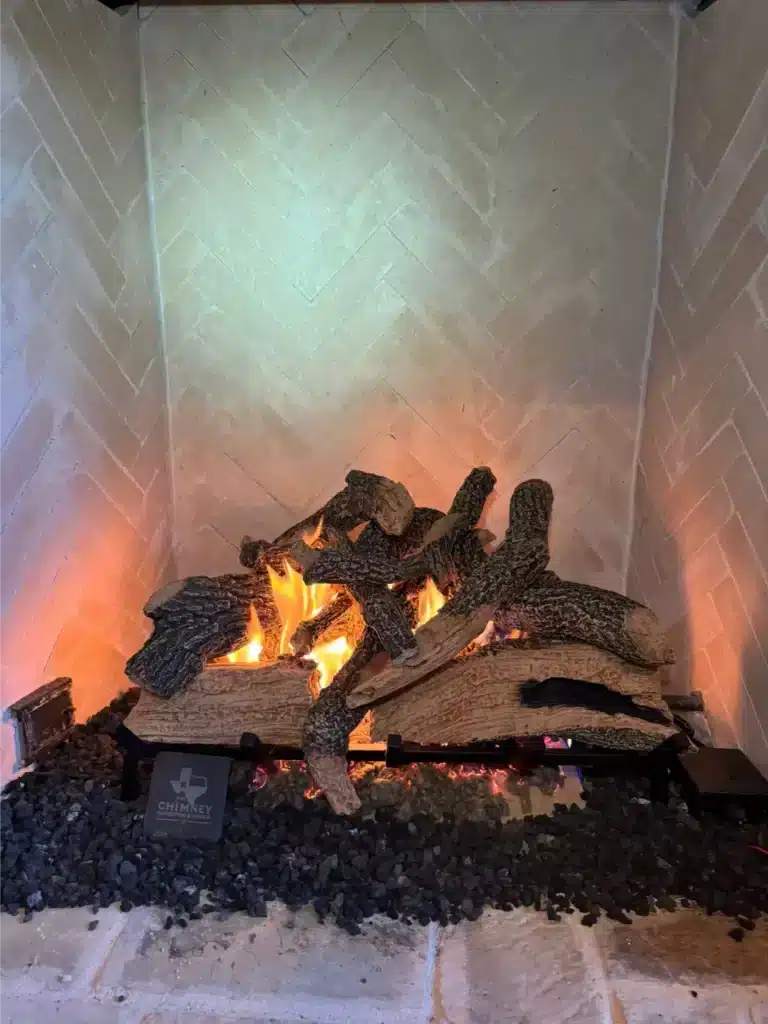
A fireplace grate is basically a metal platform that holds your firewood off the bottom of your firebox. Think of it as a raised bed for your logs. Most standard fireplace setups work better with one installed. The design allows air to circulate beneath and around the burning wood, making it highly efficient.
Here’s what we tell clients who ask if grates are necessary. Without a grate, logs sit directly on your hearth floor. This blocks airflow underneath and creates a slower, smokier burn. Your wood burns inefficiently, leading to more creosote buildup in your chimney. A proper log grate solves these problems instantly while protecting the bottom of your firebox from direct heat damage.
How Grates Improve Heat and Efficiency
The magic happens when air flows freely around your firewood. A well-designed log holder lifts wood several inches off the floor. This creates space for oxygen to feed the flames from below. The result is a hotter fire that produces more heat for your room.
We’ve had clients report they need less wood to maintain comfortable temperatures. That’s because complete combustion occurs when a fire has enough oxygen. You’ll notice fewer smoke problems and a cleaner glass door, too. The ember retainer design on some models keeps burning pieces contained while maintaining that critical airflow pattern.
Better Airflow Means Cleaner Burns
Let’s talk about what clean burning actually means. When your fire gets proper ventilation, wood burns more completely. This produces less smoke, fewer sparks, and significantly less creosote. That sticky black substance in your chimney is a fire hazard.
Better airflow also means your indoor fireplace produces more warmth with less fuel. Flames burn hotter and more consistently. You’ll see bright, active fires instead of smoldering logs that waste wood. Cast iron grates hold heat exceptionally well, radiating warmth even after flames die down.
Safety Benefits You Can't Ignore
Safety is where a quality fire grate really proves its worth. Logs stay contained instead of rolling forward onto your hearth or living room floor. We’ve helped families avoid dangerous situations where logs shifted unexpectedly. The bars keep everything stable during the entire burn.
Another safety factor is protecting your firebox floor from extreme heat. Direct contact with burning wood can cause masonry to crack over time. A cast-iron fireplace grate creates a protective barrier. It takes the heat stress instead of your expensive firebox. Models with ember retention also catch falling pieces that might otherwise escape.
Types of Fireplace Grates and How to Choose
You’ve got options when picking the proper grate for your setup. Cast iron versions are traditional and incredibly durable. They handle high heat and last for decades with proper care. Steel fireplace grates are lighter and often less expensive. Heavy-duty fireplace models combine both materials for maximum strength.
Size matters more than most people realize. A grate that’s too large won’t fit properly in your firebox. Too small and you lose the efficiency benefits. Here’s a quick look at common configurations:
- Standard flat designs for bare wood burning
- Log grate styles with raised sides for containment
- Heavy-duty models with extra bars for extensive wood stove use
- Specialty designs for outdoor fireplace applications
- Ember-catching versions for extra safety
Understanding Your Firebox Size
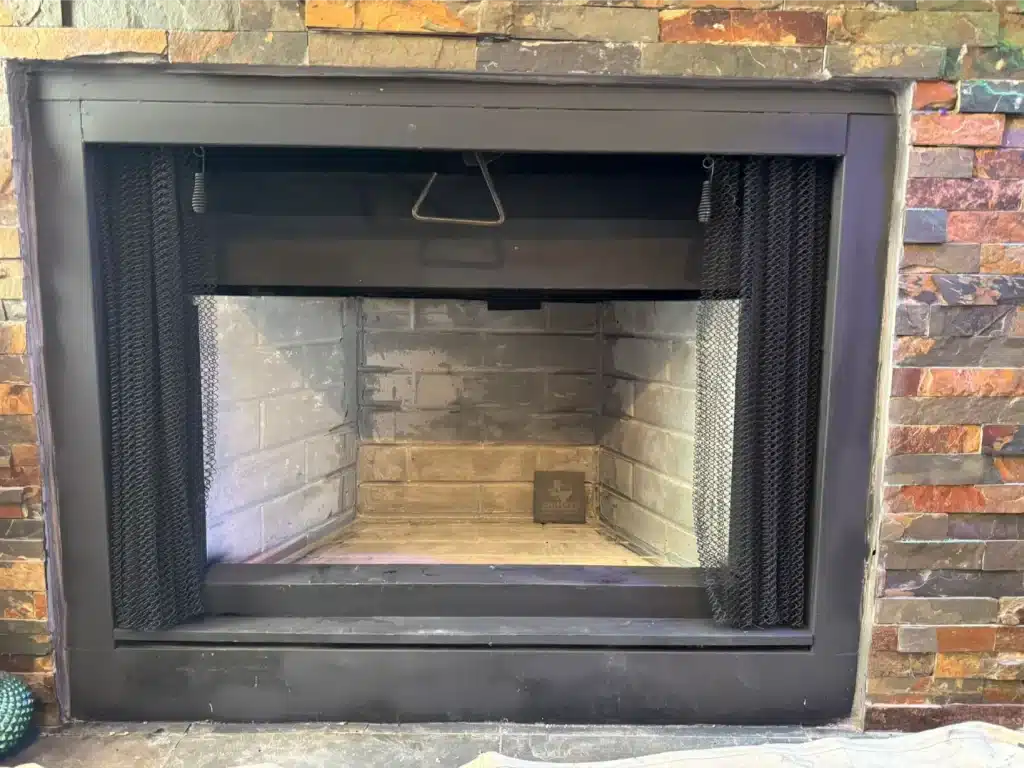
Measuring your firebox correctly ensures you get the perfect fit. We always tell clients to measure the width, depth, and height of the opening. Most fireplace log grates come in standard sizes, such as 18-, 24-, and 27-inch widths.
The depth of your fireplace determines how far back your grate should sit. You want clearance on all sides for proper ventilation. A 17-inch depth is standard, but check your specific setup. Getting the grate size right maximizes efficiency and prevents damage to your fireplace walls from logs touching the sides.
Protecting Your Investment
Your fireplace represents a significant investment in your home. The right fireplace accessories help protect that investment in the long term. Solid cast iron or heavy-duty steel bar construction shields your firebox from heat damage and wear. This extends the life of your entire system.
Think about it this way. Replacing damaged firebox components costs way more than buying a quality grate upfront. We’ve seen firebricks crack and mortar deteriorate when homeowners skip this essential tool. A wrought iron or solid steel option distributes heat evenly, preventing hot spots that can cause problems.
Making Maintenance Easier
Cleanup becomes much simpler with a proper log-burning rack in place. Ashes fall through the bars naturally as wood burns. This keeps the burning surface cleaner throughout use. When you’re ready to remove ashes, the grate lifts out easily for access.
Traditional fireplace grates also make it easier to arrange firewood for optimal burning stack logs with space between them for air circulation. The raised platform means you don’t have to fight to position wood on a flat surface. Some models include built-in fireplace tools compatibility for even better convenience.
Why Our Clients Love Their Grates
We’ve installed countless fireplace grate heaters and log holders over the years. Clients consistently mention three things they love. First, they notice immediate improvements in how their fires burn. Second, they appreciate the added safety for their families. Third, maintenance becomes less of a chore.
One client told us their wood-burning fireplace finally works as it should. Another mentioned they can enjoy fires without worrying about rolling logs. The feedback has been overwhelmingly positive. Whether you choose wrought cast iron or modern steel designs, the benefits speak for themselves.

FAQ
Q: Do all fireplaces need a fireplace grate, or can I burn wood directly on the floor?
A: While you can technically burn wood without a grate, it’s not recommended. Direct floor burning reduces efficiency, creates more smoke, and damages your firebox over time. Gaskets are essential for proper oxygen flow and protecting your investment. They’re necessary for indoor fireplace use where air quality and heat output matter most.
Q: What's the difference between cast iron and steel fireplace grates?
A: Cast iron grates are heavier and retain heat longer, radiating warmth even after fires die down. They’re incredibly durable but can rust if not maintained. Steel grates are lighter and more affordable, often featuring heavy-duty construction. Both work well, but cast iron typically lasts longer with proper care.
Q: How do I know what size grate I need for my fireplace?
A: Measure your firebox width, depth, and height. Choose a grate that’s 2-3 inches narrower than your opening for proper clearance. Standard sizes include 18, 24, and 27-inch widths. The depth should fit comfortably without touching the back wall. When in doubt, slightly smaller is better than too large.
Q: Will my fireplace grate rust, and how do I prevent it?
A: Yes, grates will rust over time, especially cast iron models. Prevent rust by keeping the grate clean and dry when not in use. Some people apply high-temperature paint designed for grills. Regular use actually helps because the heat burns off moisture. Store in a dry location during months when you’re not using your fireplace.
Q: Can I use a fireplace grate for both indoor and outdoor fire pits?
A: Many greats work for both applications, but check the specifications. Outdoor fireplace grates often feature heavier construction to withstand variable weather conditions. Indoor models prioritize ember retention and specific sizing for standard fireboxes. Some wrought-iron indoor-outdoor designs work for both, but verify compatibility before purchasing.
Q: How often should I replace my fireplace grate?
A: Quality lasts for many years with proper care. Heavy-duty fireplace grates can last 10-20 years or more. Replace yours when you notice significant rust through the bars, warping that prevents proper log placement, or broken bars. Lifetime fireplace grates made from solid materials rarely need replacement when properly maintained.
Get in touch
- 17630 Davenport Rd Ste 108, Dallas, TX 75252
- +1 972 884 5553
- info@theonechimneysweep.com